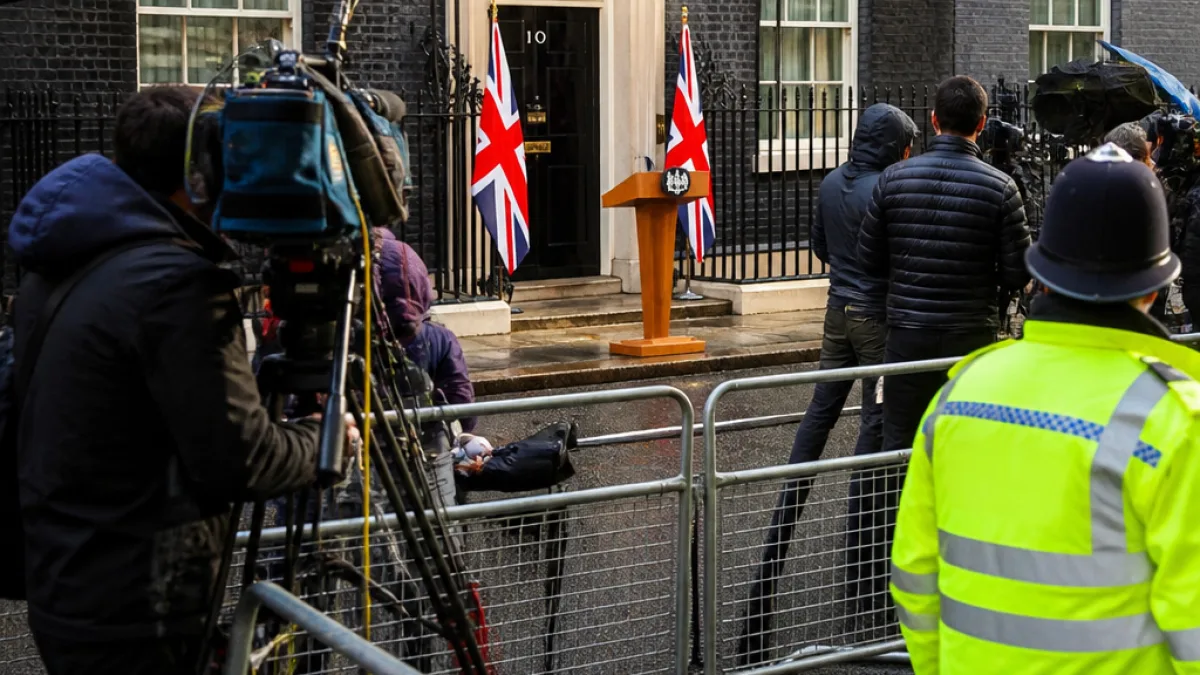
Andy Burnham will use his first address from Downing Street on Monday to promise greater stability in government and deliver the “breathing room” he has trailed on the cost of living, as he takes over from Sir Keir Starmer.
After the formal handover at the Palace, the new Labour leader is expected to frame the moment as one of “reflection and resolution”, setting out initial domestic priorities and urging a more measured politics following a decade marked by frequent changes at the top. Allies say he will argue that steadier leadership must translate into tangible improvements in people’s lives rather than rhetoric.
He is expected to say he is “acutely conscious” that the UK has had seven prime ministers over the last 10 years, underscoring the need for more stable and responsible politics.
Early signals: cost of living, energy and devolution
Mr Burnham has sketched only the outlines of his programme since assuming the Labour leadership. He has highlighted moving power out of Whitehall as a priority, including establishing a new “No 10 North” hub in Manchester, which he is anticipated to visit later in the week. He has also pledged a “reset of priorities”, confirming that he will scrap the previous administration’s digital ID plan to concentrate resources on household pressures.
In his first days, he is expected to unveil measures aimed at easing day-to-day costs. Briefings suggest the government could consider steps related to energy bills, alongside debate about whether to permit more North Sea oil and gas extraction. Environmental groups have urged him to adhere to Labour’s 2024 manifesto position not to grant new licences, arguing such moves would not cut bills.
Potential decision on Thames Water looms
Among the immediate tests could be whether to temporarily nationalise Thames Water, amid ongoing financial strain at the utility. Any intervention would carry clear consequences for Londoners, including households across Hillingdon, which rely on the company’s services. While no decision has been announced, the prospect places infrastructure, investment and bill stability at the top of the in-tray.
- Cost of living measures are expected in the first week.
- Energy policy choices may test manifesto commitments.
- Thames Water’s future remains under close review.
What has been signalled so far
| Priority | What we know | Why it matters locally |
|---|---|---|
| Cost of living | Focus on practical steps to create “breathing room”. | Pressure on household budgets across Hillingdon. |
| Energy bills | Possible action; discussion of North Sea drilling has resumed. | Energy affordability remains a concern for residents. |
| Devolution | Plan to shift power from Westminster; “No 10 North” in Manchester. | Could shape how funding and decisions reach London and boroughs. |
| Digital ID policy | Previous digital ID proposal to be dropped. | Redirects attention and resources to immediate household needs. |
| Thames Water | Government may need to decide on a temporary takeover. | Potential impacts on bills and service for local customers. |
Stability message and next steps
The new prime minister intends to present a steadier approach after a rapid leadership transition that saw him take charge without a contest, shortly after returning to Westminster. His backers suggest the early focus will be on visible, measurable outcomes rather than long lists of pledges.
Mr Burnham’s timeline for further announcements is expected within the week, with the first tranche of policies targeted at “making people’s lives easier”. For residents in west London, the immediate questions centre on whether any action on utility costs will filter swiftly into bills, how a potential Thames Water intervention might be managed, and what form devolution could take for London institutions and services.
Environmental campaigners, meanwhile, will be watching closely for any sign that the government could reopen North Sea licensing — a move they argue would not cut energy costs. That tension underscores the balancing act between short-term relief on household finances and longer-term energy and climate goals.
As Burnham steps into No 10, the early yardstick will be delivery against those headline promises: stability, practical help on costs, and a clearer map of how decisions will be taken and delivered beyond Westminster. The specifics will follow this week; the expectations are already set.