County Durham teenagers find new routes into learning and work
Two young people from County Durham have described how moving into alternative provision transformed their education and wellbeing, after prolonged difficulties in mainstream school left them disengaged and, in one case, excluded. Their experiences, centred on training with Empowher CIC, highlight the role that smaller, vocationally focused settings can play for pupils who struggle with conventional classrooms.
Ashton, 16, said he had long wanted to build a career in hair, but years of anxiety and bullying meant his plans stalled. A switch to alternative provision provided structured training and the confidence to take the first step into work. He now styles hair on Saturdays as his own small business and urges other young people to consider a different route if school has become overwhelming.
“It’s the best thing that ever happened to me,” he said, explaining that joining Empowher showed there was “light at the end of the tunnel” following exclusion.
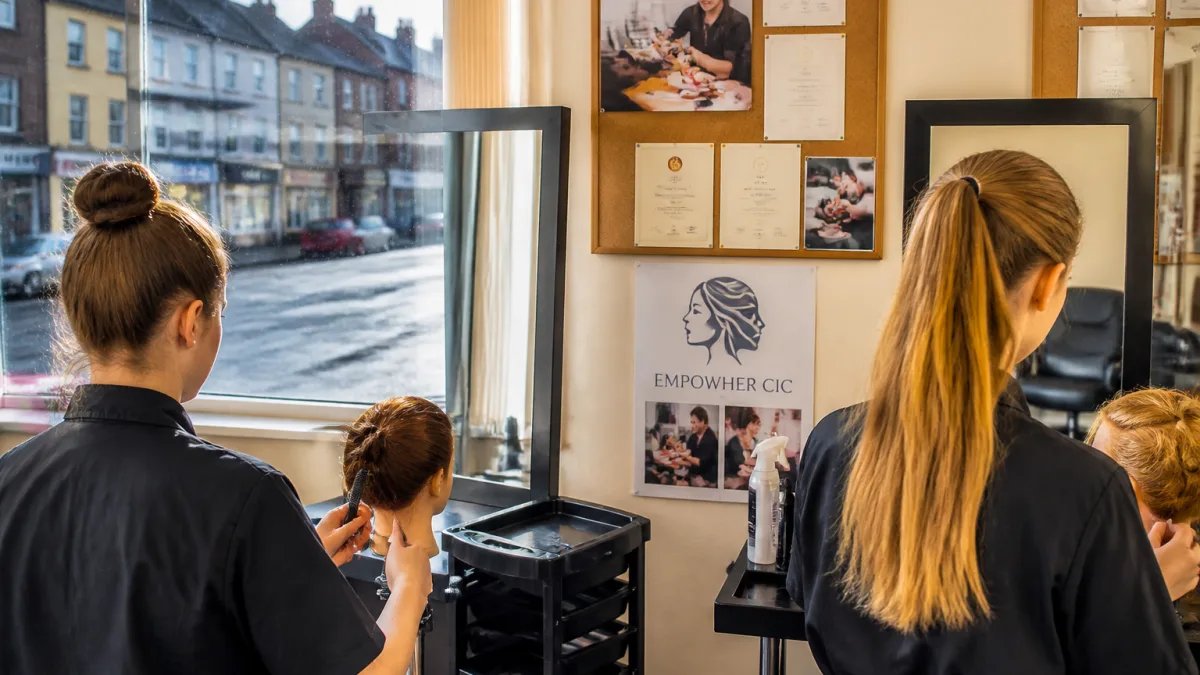
Chloe, 17, had a similar experience of distress in mainstream education, with school attendance collapsing soon after starting secondary. Her mother, Nicola, said anxiety became so severe that leaving the house was often impossible. A subsequent autism diagnosis helped explain why the environment had been so challenging. With support in an alternative setting, Chloe gained a Level 1 beauty therapy qualification along with English and maths, secured her first role in a salon and is progressing to Level 2 before heading to college in September.
“It’s just so much more calm,” Chloe said of the centre. “You’re not in uniform waiting for the bell to go to your lesson, you’re just literally walking in, going into the room and it feels so much better.”
Smaller settings, practical skills, tailored support
Alternative provision (AP) refers to education outside mainstream schools for pupils who cannot attend or need a different approach. The accounts from Ashton and Chloe point to three elements they found decisive: a calmer environment, hands‑on training aligned to their interests, and personalised support that eased their return to learning and work.
- Calmer learning spaces: Both teenagers said leaving the busy, bell‑driven school day reduced anxiety and improved focus.
- Vocational pathways: Hair and beauty courses gave direct, practical skills with clear progression into employment.
- Re‑engagement with core subjects: Alongside training, qualifications in English and maths rebuilt academic confidence.
For Ashton, the vocational setting unlocked a long‑standing ambition. He described saving pocket money as a child to practise plaits, and regularly styling friends’ hair, but felt that repeated difficulties at school had derailed his hopes before the move into AP. He now combines training with paid work at weekends. Chloe’s route was steadied by a formal understanding of her needs and a step‑by‑step return to attendance, leading to qualifications and her first job.
Local implications for families and providers
Although every pupil’s circumstances are different, these examples from within County Durham underline the importance of timely access to tailored provision when mainstream isn’t working. The teenagers’ experiences suggest that structured vocational options, smaller group sizes and targeted pastoral support can help rebuild confidence and secure progression to employment or further education.
While the causes of disengagement varied — bullying, anxiety and the pressures of a large school environment were all factors cited — both stories converge on the benefits of alternative pathways that keep learning alive. For parents navigating prolonged non‑attendance, they also show that re‑entry to qualifications and work is possible with the right setting and support.
At a glance: outcomes reported
| Student | Route | Outcomes |
|---|---|---|
| Ashton (16) | Empowher CIC (hair) | Launched a Saturday hairdressing business; renewed engagement post‑exclusion |
| Chloe (17) | Empowher CIC (beauty) | Level 1 beauty, English and maths; first salon job; studying Level 2; college next |
Ashton encouraged other young people who are struggling to give alternative provision a try, while Chloe’s mother described the support her daughter received as the best possible outcome after months of distress. Their testimonies offer a reminder that success in education can take more than one form — and that local options exist to help young people find it.