
Council makes reluctant changes amid cross‑party criticism
North Somerset Council has voted to amend its constitution to align with recent government changes to planning procedure, but councillors from across the political spectrum expressed strong reservations about the impact on local decision‑making.
The changes, which the council said it was making to ensure legal compliance, set limits on the size of the planning committee and tighten the circumstances in which planning applications can be decided by councillors rather than by officers under delegated powers.
Although members acknowledged that much of the council’s practice already met the new requirements, several councillors said the reforms represented unwelcome central intervention in local affairs and undermined democratic accountability.
“We have to vote for this so that the council continues to comply with the law but honestly I cannot see any other reason to support the changes to the planning procedures which are specifically designed to reduce the democratically accountability of the decisions taken.”
The comment came from Robert Payne (Weston‑super‑Mare Central, Liberal Democrat), who told the meeting he felt the government was prescribing how councils should operate.
Former planning committee chair Hugh Malyan (Weston‑super‑Mare South Worle, Labour) described the reforms as driven by centralising tendencies in Whitehall and said the measures echoed changes made under the previous government.
Annemieke Waite, the cabinet member for planning (Winford, Green), pointed out that the council’s planning committee already usually meets the government’s membership limit and that the committee generally considers only major applications; most decisions continue to be made by officers under delegated authority.
What the reforms require
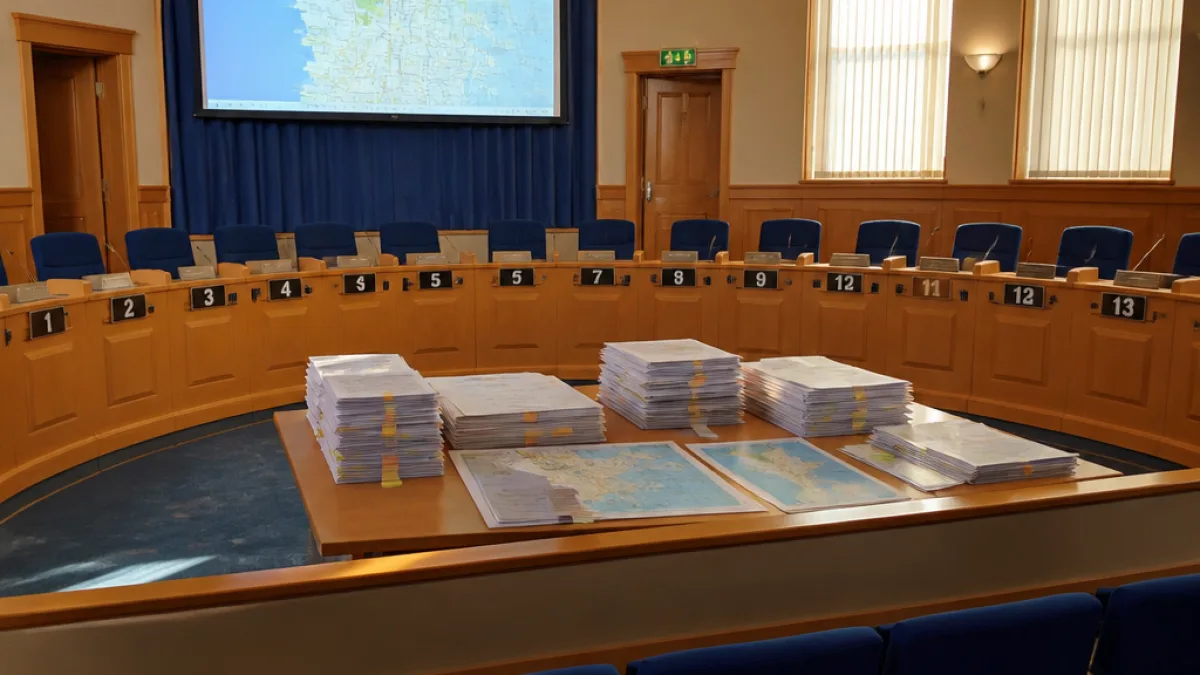
- Planning committees must be limited to a maximum of 13 members.
- Councils may only refer planning applications to committee if they meet a strict set of criteria.
- Councils risk having decisions overturned in judicial review if they fail to comply.
| Aspect | Local practice | New requirement |
|---|---|---|
| Committee size | Already normally at or below 13 | Limit of 13 members |
| Applications considered | Usually major applications only; many meetings cancelled when no major business | Only applications meeting strict criteria to be decided by committee |
| Decision route | Majority decided under delegated powers by officers | Stricter oversight of committee decisions |
Councillors agreed to write to the government and to their local MPs to set out their “serious concerns” about the reforms, a step supported across party lines during the meeting.
The debate highlighted a wider tension between local discretion and central regulation on planning matters. Members warned that the new arrangements risked reducing local scrutiny of planning decisions even where the existing system was functioning effectively.
For residents and developers in North Somerset, the practical effect is likely to be confined to which applications are referred to committee rather than officers, and the size of the committee membership — but councillors stressed the broader principle of local democratic control was at stake.
The council’s decision means the constitution will be formally amended to reflect the government’s requirements, while elected members pursue correspondence with ministers and MPs to press their objections.