Labour members of the London Assembly have pressed Transport for London (TfL) to set out a transparent, public strategy for tackling high noise levels on parts of the Underground network, saying residents have reported a return of severe screeching and vibration on some lines.
Residents report worsening disturbance on several lines
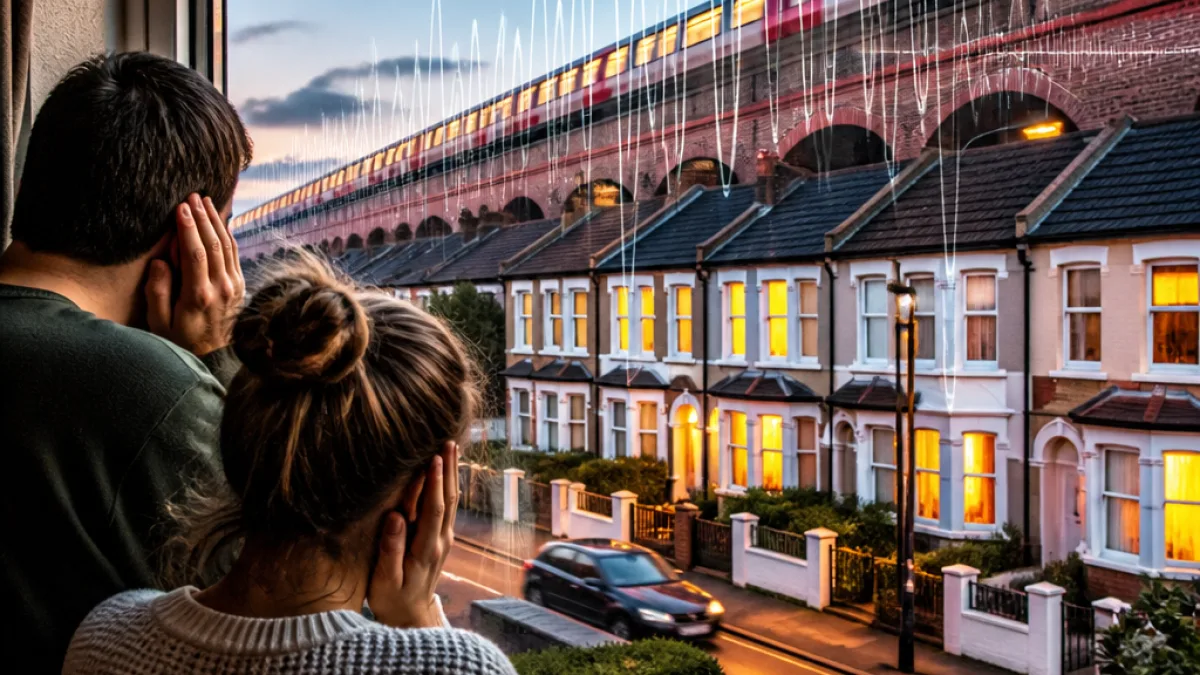
Assembly transport spokespeople pointed to particular concern on the Northern, Victoria and Central lines, where commuters and people living near the tracks have described noise levels that, at their peak, can exceed 100 decibels — a level comparable to a nearby helicopter taking off. The complaints have prompted calls for TfL to explain how its current approach is measured and how effective it has been.
What TfL has done so far
Between 2020 and 2022, TfL implemented a targeted track‑grinding programme intended to reduce high‑pitch rail noise. That programme has since been superseded by what the authority describes as a “data‑led” strategy. Assembly members say the frequency and scale of on‑track interventions have dropped notably since that change, and they want evidence to show whether the new approach is delivering the promised benefits.
“Residents are increasingly frustrated — not only because noise levels remain unaddressed, but because the information provided by TfL is becoming less, not more, detailed and less responsive to their lived experience,”
The comment above is from Elly Baker, Labour’s transport spokesperson on the London Assembly, who has written to TfL commissioner Andy Lord demanding clearer disclosure of the methods and outcomes of the current noise‑reduction work. Her letter, seen by Local Democracy Reporting Service, also highlights a reference in a six‑monthly chief operating officer report to the potential benefit of increased train coasting — but she says no data has been published to show the scale of that effect or when coasting might be deployed more widely.
Calls for public data and a coherent plan
Assembly members want TfL to publish:
- consistent records of all noise‑mitigation works;
- transparent methodology and measurements used to assess noise;
- timescales for rolling out any measures shown to be effective, such as coasting where appropriate.
Those representing affected residents say the issue is not solely technical: long‑term decisions about maintenance, renewals and investment are perceived as part of the problem, and they want reassurance that the link between those investment choices and noise outcomes is being considered.
Summary of recent interventions
| Intervention | When | Notes |
|---|---|---|
| Targeted track‑grinding | 2020–2022 | Programme aimed at reducing high‑pitch rail noise |
| Data‑led approach | Post‑2022 | Replaced grinding; details of methodology and effectiveness requested |
| Train coasting | Ongoing assessment | Reported in COO report as helping in some sections; no published data on scale |
TfL has previously acknowledged noise as an operational issue and has undertaken various technical interventions. The Assembly’s latest request seeks to convert that work into publicly accessible information so residents can see where and how effectively noise is being reduced.
For Barnet commuters who use affected lines, the outcome of this dispute will determine not only the comfort of daily journeys but also the level of disclosure they can expect about when and how disruptions will be addressed. Assembly members have given TfL a deadline to respond to the letter; any reply will be watched closely by those campaigning on behalf of nearby residents.
More details are expected as the Assembly follows up on the information requested from TfL and assesses whether further scrutiny or action will be required.