Local councillors have warned that proposed changes to national planning rules will reduce community input into decisions on housebuilding and transfer more powers to council officers. The reforms, due to take effect at the end of October, form part of the Labour government's pledge to deliver an additional 1.5 million homes by 2029.
What will change
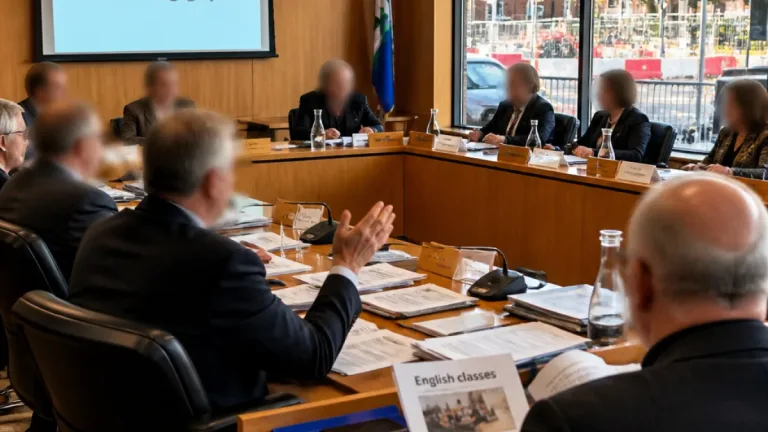
The new regulations will mean that certain applications can be decided by planning officers without full committee discussion. Councillors will no longer be able to "call in" some proposals for committee scrutiny — including schemes of fewer than ten homes. In addition, where local authorities are minded to refuse proposals for 150 or more homes, they will be required to consult the secretary of state before finalising their decision.
Local reaction
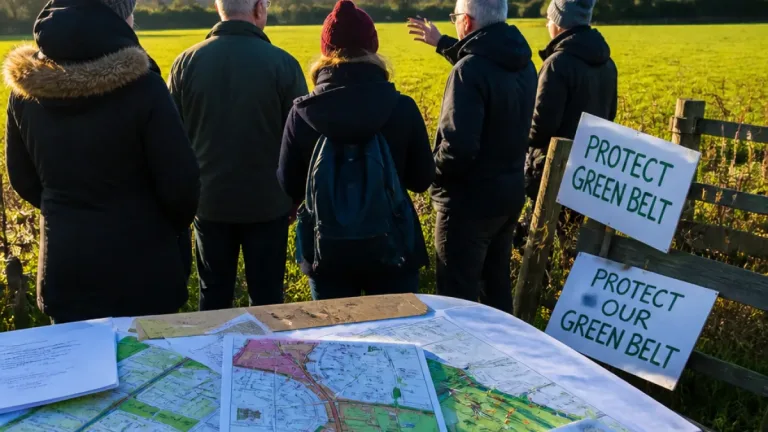
West Devon Borough Council's leader, Cllr Mandy Ewings (Ind, Tavistock South West), expressed strong opposition to the changes, arguing they would erode the role of locally elected members who know their areas best.
“This is basically taking away local democracy and local knowledge which is vitally important in decision‑making,”
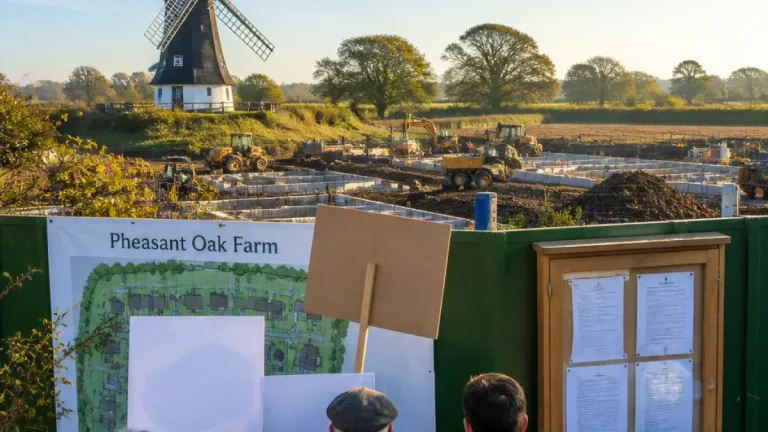
She said the limits on call‑ins were particularly worrying in rural areas where even a single dwelling can have significant consequences for roads, services and the landscape. Cllr Ewings added that while the need for more homes was understood, she believed existing planning agreements should be sufficient to meet the government's targets — pointing to stalled housebuilding on allocated sites, including one in Tavistock. The source material also notes that Plymouth has plans for more than 4,500 homes.
Practical implications for Plymouth and surrounding areas
Council members and residents can expect:
- Fewer planning applications debated at committee level, especially smaller housing schemes.
- Greater reliance on planning officers and senior officers to make decisions.
- Mandatory consultation with central government for refusals of large schemes (150+ homes), potentially lengthening the decision process.
| Change | Who it affects |
|---|---|
| Call‑in restriction for schemes under ten homes | Local councillors, parish councils, affected residents |
| Officer sign‑off increased | Planning committees, developers, officers |
| Consultation with secretary of state on refusals for 150+ homes | Local authorities, developers, central government |
Council leaders will now need to consider how to preserve local voice and scrutiny within the tighter framework. For residents, the changes could mean fewer opportunities to see contentious proposals debated in public committee meetings and a shift in where influence over decisions is exercised.
As the reforms draw nearer, local authorities in Plymouth and neighbouring districts will be watching for guidance from the Department for Levelling Up, Housing and Communities on implementation, and assessing how to adapt their own planning delegations and scrutiny arrangements.
Further coverage will follow as councils respond formally and as details of the statutory changes are published.