Councillors have been told that attempts to tackle hazardous parking around Plymouth schools are being undermined by limits on enforcement capacity and an escalation in aggressive behaviour from some motorists.
Rising fines but persistent problems
Figures presented to the city council's housing and community services scrutiny panel show that penalty charge notices (PCNs) issued around schools rose from 5,526 to 6,469 over the last year, an increase of about 17%. The fines levied for these offences range between £50 and £70.
Panel members heard the council has received numerous complaints about irresponsible parking, reckless driving and hazardous manoeuvres at school collection times, and that enforcement officers face difficulty keeping up with demand across the city.
Dedicated posts and camera checks
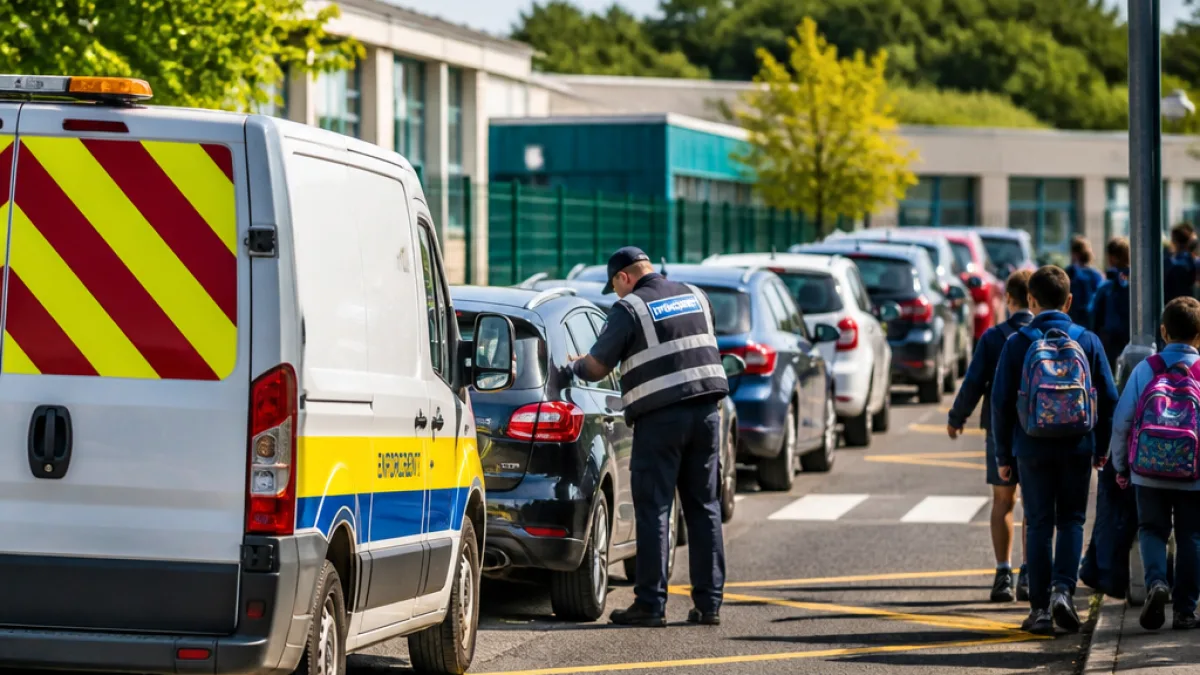
The authority highlighted steps already taken: a first dedicated school enforcement officer has been in post in the Ham and Peverell area for 18 months, foot patrols have been intensified, and the council is deploying cameras and a mobile camera vehicle at multiple schools. Engagement with teachers, parents and pupils has also increased.
| Measure | Detail |
|---|---|
| Schools in city | 83 |
| PCNs citywide (previous year) | 5,526 |
| PCNs citywide (latest year) | 6,469 |
| PCNs in Ham & Peverell (2025/26) | 327 |
| Increase in 'Keep Clear' violations | 40% |
Despite these measures, officers reported that maintaining a constant presence at all 83 schools in Plymouth is unfeasible.
Enforcement clashes and changing travel patterns
Councillors were told that fines alone are not always viewed as a deterrent by parents, with some regarding PCNs as an inconvenience rather than a reason to alter parking behaviour. The council attributes part of the problem to changing school allocations and commuting patterns, meaning many pupils no longer live within easy walking distance of their schools.
"It is a very expensive process if you decide not to park safely or considerately close to a school,"
This warning, given by the city's civil enforcement manager, formed part of an explanation that motorists are disregarding traffic markings and signage despite education campaigns. The officer said the council will persist with enforcement activity but conceded the situation is becoming more difficult amid higher levels of travel between work and education.
- Enforcement capacity: A single dedicated officer cannot cover every school; patrols and cameras are being used instead.
- Local hotspots: Ham and Peverell have seen targeted enforcement and recorded 327 PCNs in the last academic year.
- Behavioural issue: Increased confrontation and a perception that fines are only an inconvenience complicate the council’s efforts.
Last November, councillors backed a motion asking officers to explore additional resources to strengthen parking enforcement around schools. The update to the scrutiny panel did not identify new funding or extra permanent posts, but it did outline ongoing use of cameras, mobile enforcement and community engagement as the council continues to seek ways to reduce dangerous parking and protect pupils arriving at and leaving school.
As the new school term approaches, parents and carers are likely to face the same mix of stepped-up enforcement and constrained resources. The council's position is that safer parking is best achieved through a combination of targeted enforcement, clearer communication with the school community and choices that reduce the need to drive at peak times.