West Sussex County Council has retooled its highways maintenance approach to cope with the increasing strain that alternating wet winters and hot summers place on the county’s roads. The authority says teams are now working throughout the year to limit disruption from standing water, potholes and softened surfaces.
What the council has done so far
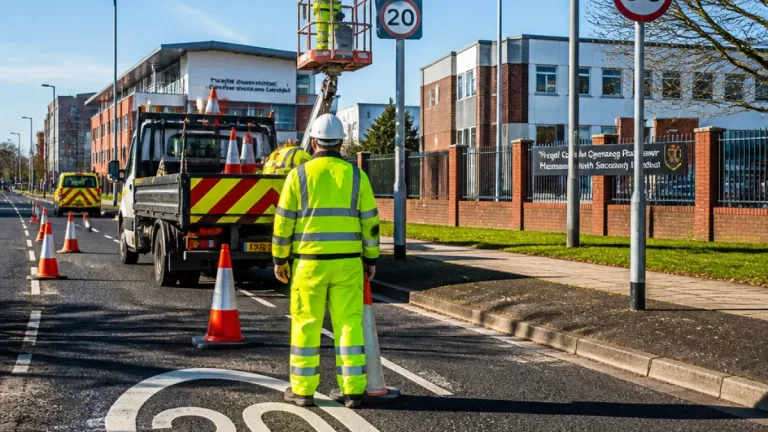
Since 1 April 2026, highways crews have focused on addressing damage left by an exceptionally wet winter. The council reports the following work delivered as part of that recovery programme:
- 13,200+ potholes repaired
- 34,000+ drainage assets cleared
- 16,790sqm of carriageway patched
- Targeted repairs on roads most affected by winter conditions
Cabinet Member for Highways and Transport Cllr Erika Woodhurst-Trueman said residents wanted cleaner, better-maintained streets and visible action. She added the new administration was listening and acting to predict and prevent problems and to respond rapidly when issues arise.
“Residents have told us they want cleaner, better-maintained streets, improved road conditions and visible action in their communities. As a new administration we are determined to listen and act on this and our teams are working throughout the year to actively maintain our roads, predict and prevent problems, innovate our approaches and respond to issues as they arise.”
Preparing for summer heat and the autumn transition
The council warns that prolonged high temperatures can cause some surfaces to soften; when the surface re-hardens as temperatures fall, new weaknesses may appear and potholes can form.
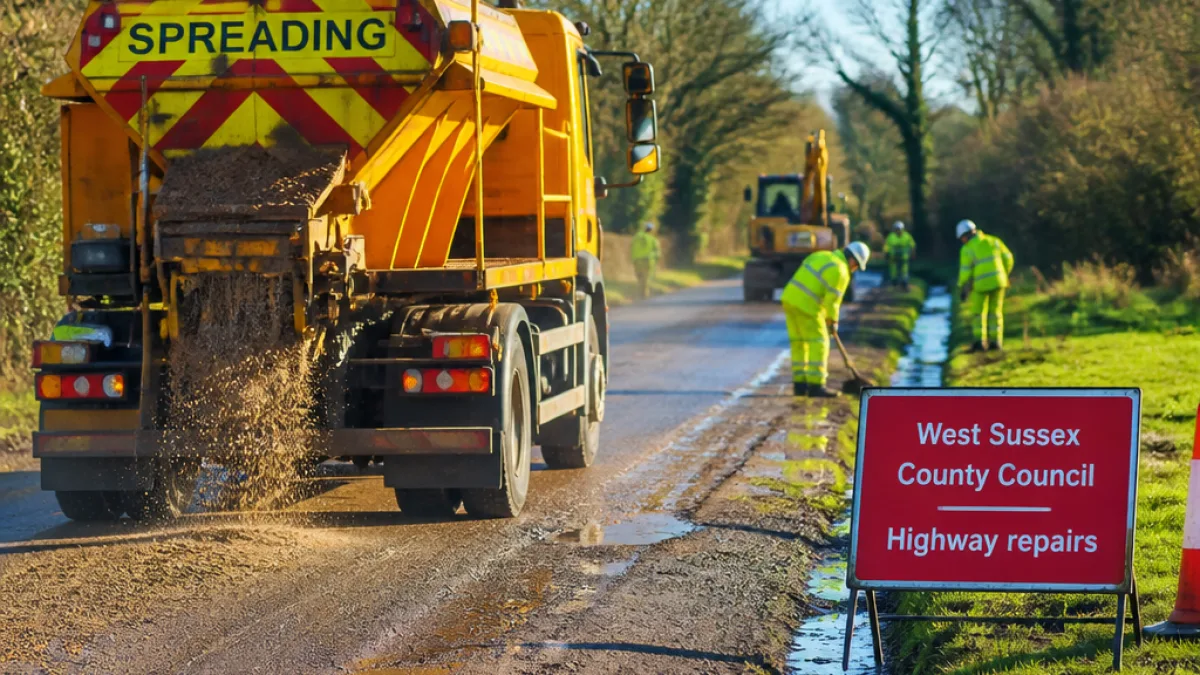
To reduce that risk, gritters are being used in summer to spread a granite material over vulnerable stretches. The material helps lower heat absorption by the road surface. The gritters will continue through the summer and routes will be inspected once temperatures drop, with any defects scheduled for repair.
Council contractors are also taking advantage of good weather to speed up planned resurfacing work. The authority reports that half of this year’s resurfacing programme — equivalent to 50 miles — has been completed so far, though resurfacing must pause when temperatures exceed safe limits for the materials used.
Local impact and what motorists should know
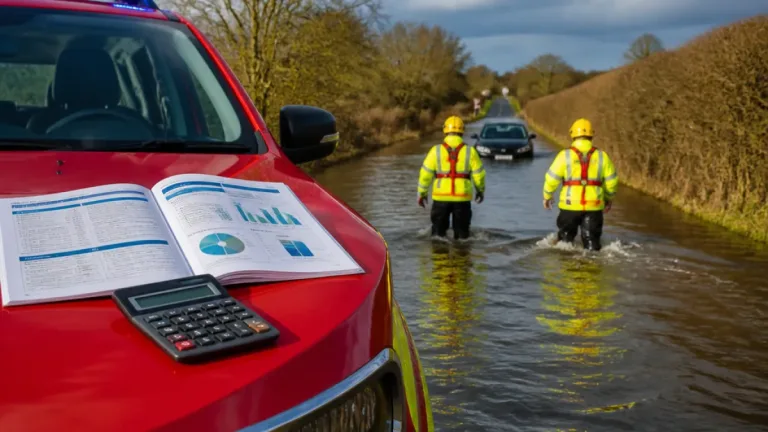
Residents saw roads closed for extended periods after last winter’s heavy rain, with standing floodwater and resulting surface damage prompting closures and repairs. The current measures aim to reduce future closures and keep traffic moving, but the council stresses that weather will continue to dictate some activity, such as when resurfacing can take place safely.
If you encounter a pothole or blocked drain, the council asks residents to report it online so crews can prioritise action. Accelerated patching and targeted drainage clearance are intended to limit the formation of new defects and to tackle those that present the greatest risk to road users.
| Workstream | Delivered since 1 April 2026 |
|---|---|
| Pothole repairs | 13,200+ |
| Drainage assets cleared | 34,000+ |
| Carriageway patched | 16,790 sqm |
| Resurfacing completed | 50 miles (50% of programme) |
For communities reliant on a few key routes, keeping drains clear and patching carriageways quickly can make a tangible difference. The council’s combination of summer heat-protection measures, year-round inspections and a focus on high-need roads is aimed at delivering that difference.