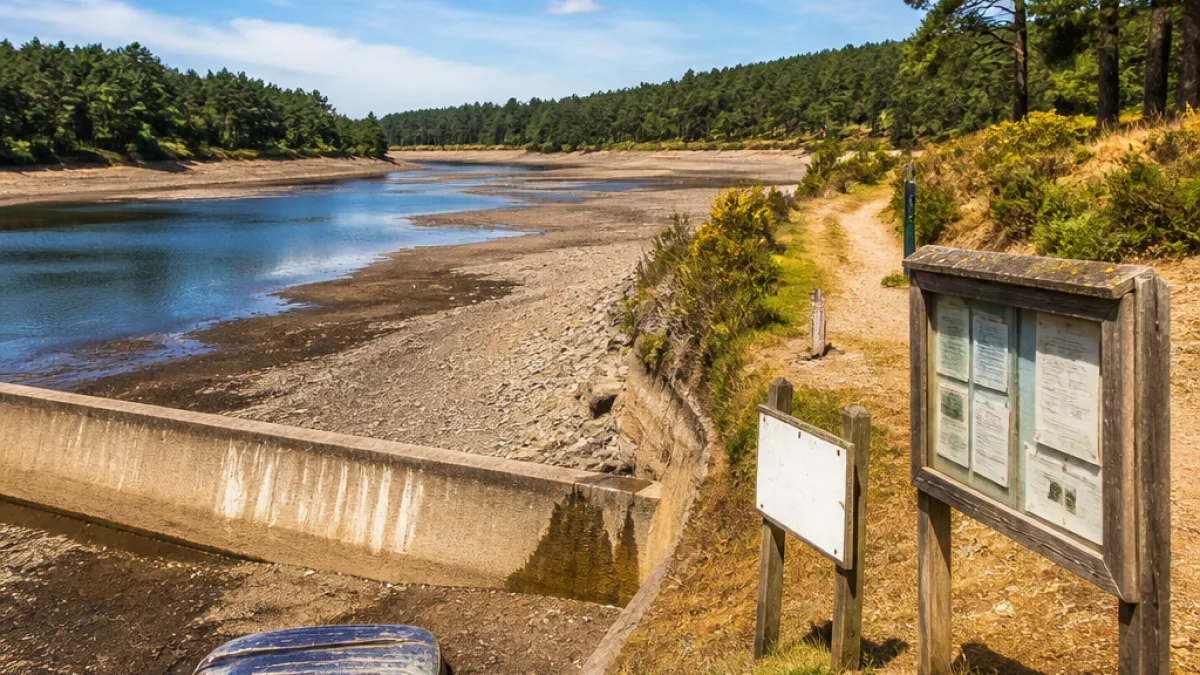
Ardingly Reservoir near Haywards Heath has been officially classified by the Environment Agency as "notably low", with measured storage at around 66% capacity. The designation arrives as the country records what the agency describes as a likely record-dry July, and follows a formal declaration that West Sussex is experiencing prolonged dry weather from 21 July.
What the figures show
Nationally, average reservoir storage sits near 72%, a fall of approximately 3 percentage points from the previous week and almost 10 percentage points below the long-term average for this time of year. Several other reservoirs in England are showing even lower levels.
- Ardingly Reservoir: 66% full
- Blagdon (Somerset): 56% full
- Hanningfield (Essex): 65% full
- Wimbleball (Somerset): 54% full
The Environment Agency’s classifications range from normal to exceptionally low; Ardingly now sits in the tier below exceptionally low, signalling growing pressure on supplies in the region.
Local impact and what residents should know
For West Sussex households and businesses, the change in classification is a reminder to be mindful of water use. While the county is not under a full drought declaration, being one step closer means agencies and water companies may step up conservation messaging and prepare contingency measures if dry conditions persist.
Practical steps residents can take immediately include:
- Fix leaking taps and toilets promptly.
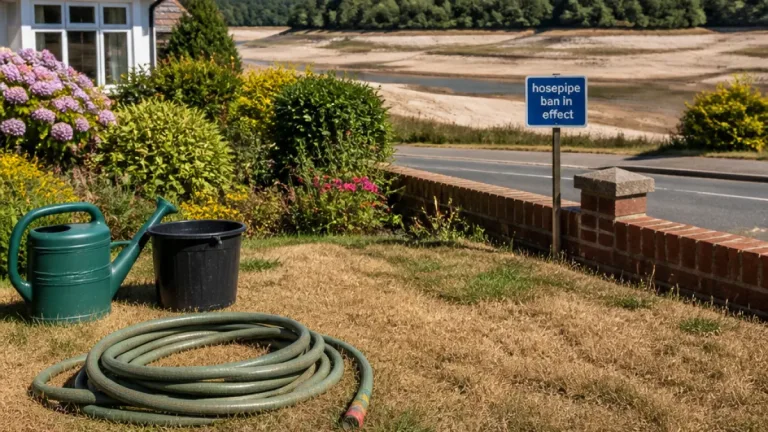
- Use watering cans for gardens and avoid hosepipe use where possible.
- Run dishwashers and washing machines with full loads.
Local farmers, anglers and conservation groups will be watching levels closely. Lower reservoir levels can affect habitats, water quality and recreational access, though the precise local effects will depend on how quickly rainfall returns.
How close are we to a drought?
Officials describe the county as in a period of prolonged dry weather, one step short of a formal drought declaration. That distinction is important: a drought declaration triggers a different set of powers and responses from government and water companies, including possible restrictions and support measures.
| Reservoir | Reported level |
|---|---|
| Ardingly (West Sussex) | 66% |
| Blagdon (Somerset) | 56% |
| Hanningfield (Essex) | 65% |
| Wimbleball (Somerset) | 54% |
Residents should follow updates from the Environment Agency and their local water supplier for any changes to guidance or the introduction of local restrictions. For now, conservation and sensible water use remain the most effective immediate response to stretched supplies.
If conditions remain dry into August, expect agencies to publish further assessments and potential actions. For many households in West Sussex, the message is straightforward: saving water now helps avoid tougher measures later.