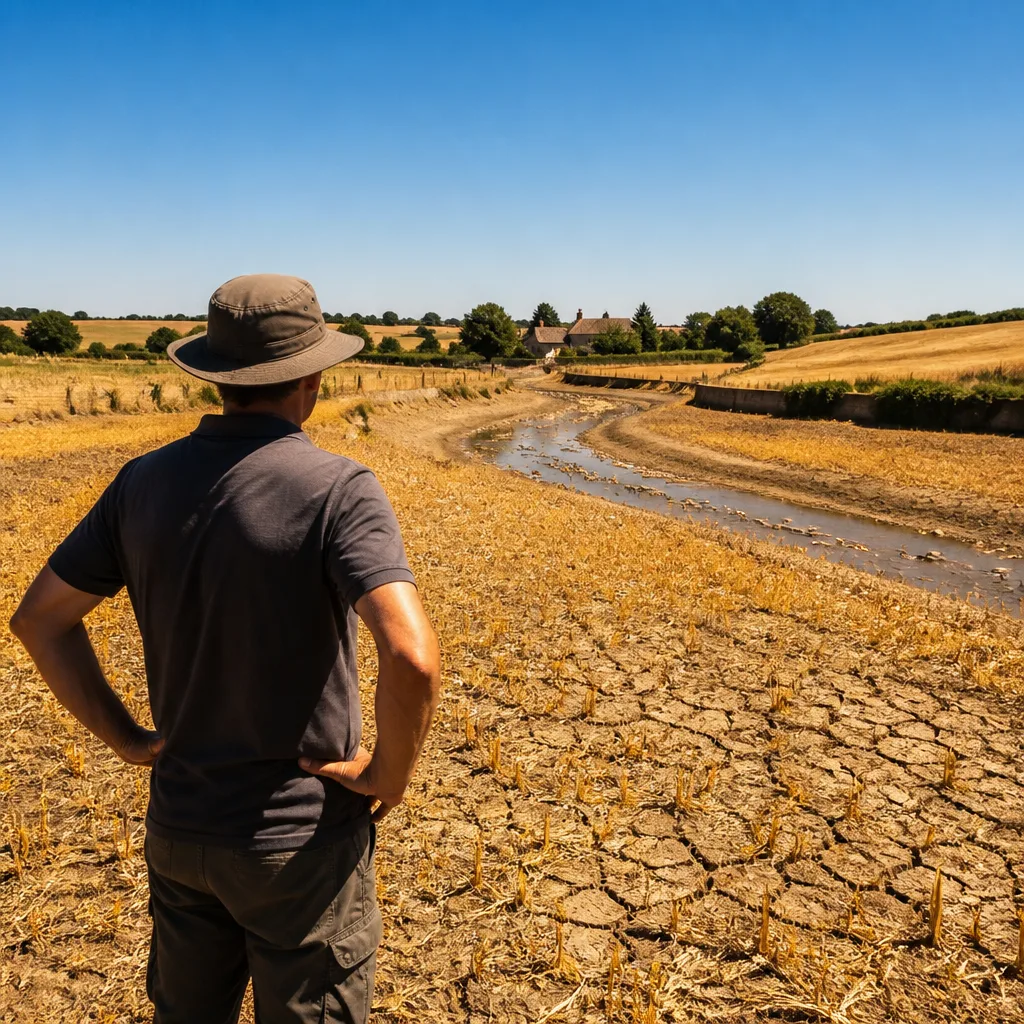
The Met Office’s provisional figures show that July 2026 was exceptionally dry across large parts of the UK, with Southern England measuring only 1.9mm of rain for the month — a new monthly low and narrowly beating the previous record of 2.0mm set in February 1891. England and Wales also experienced their sunniest July on record.
“one of the ‘most notable summer months’ since records began,”
National data indicate this was a double record for both nations: England registered just 6.5mm of rainfall in July, equivalent to around 10% of the long-term July average and substantially lower than the previous July low of 13.4mm set in 1911. Wales recorded 9.3mm — about 9% of its average and well below the former record of 22.6mm from 1911. Scotland was the only nation not to set new dryness records, receiving around 69% of its normal July rainfall.
Scale and consequences
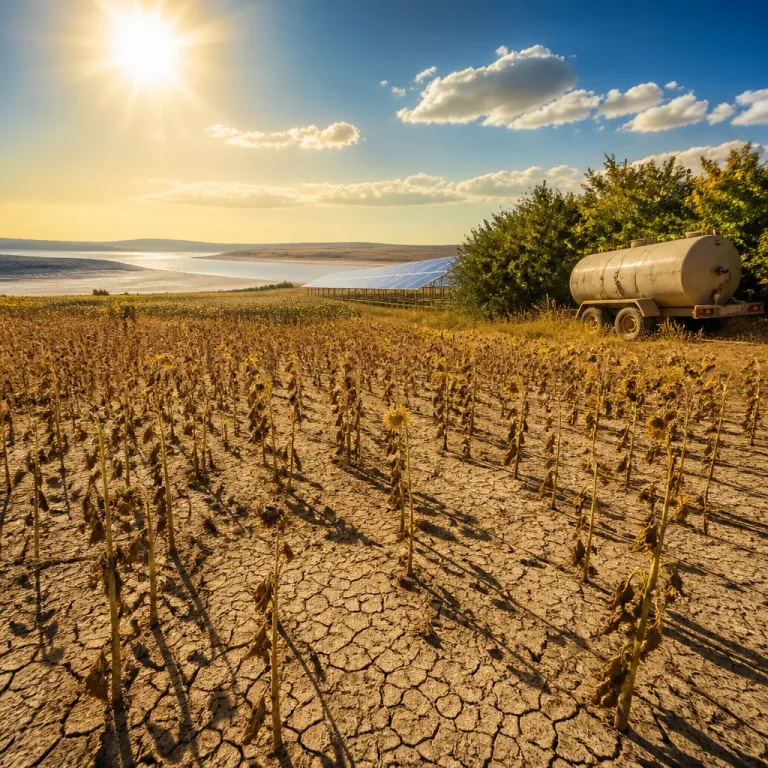
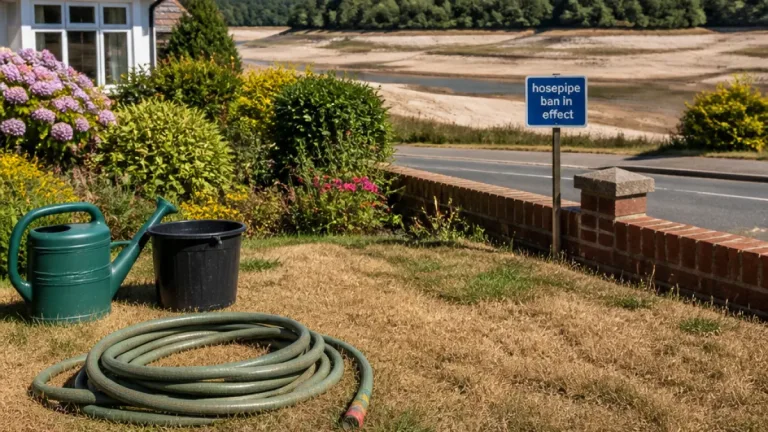
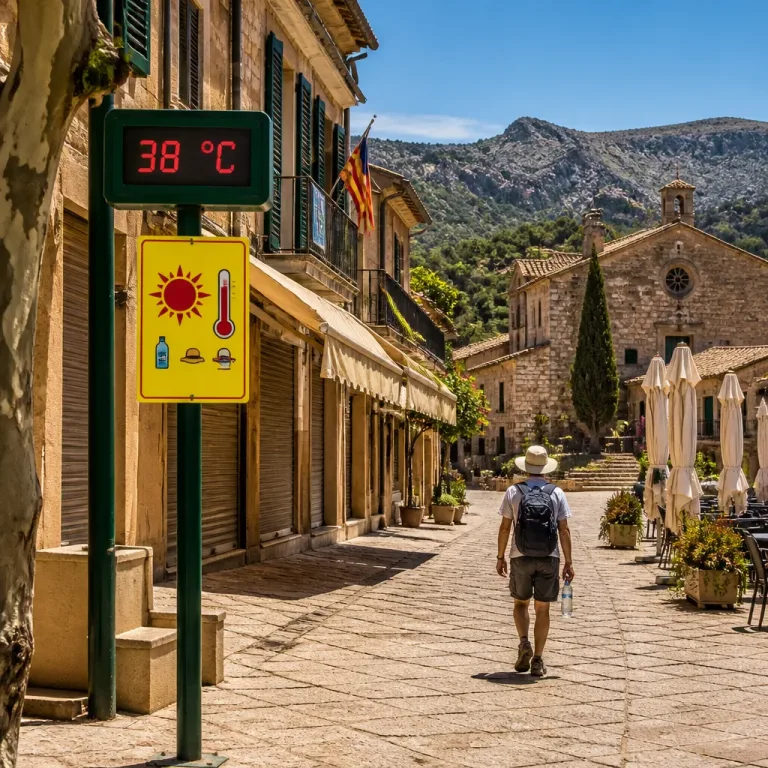
The UK as a whole had its third driest July on record, with total rainfall of 28.9mm — the lowest July figure since 1868. Parts of the country have gone more than 40 days without rain, contributing to widespread soil moisture deficits. The exceptionally dry conditions follow a summer that delivered four consecutive heatwaves across the UK and have prompted the declaration of drought for the whole of Wales and roughly half of England.
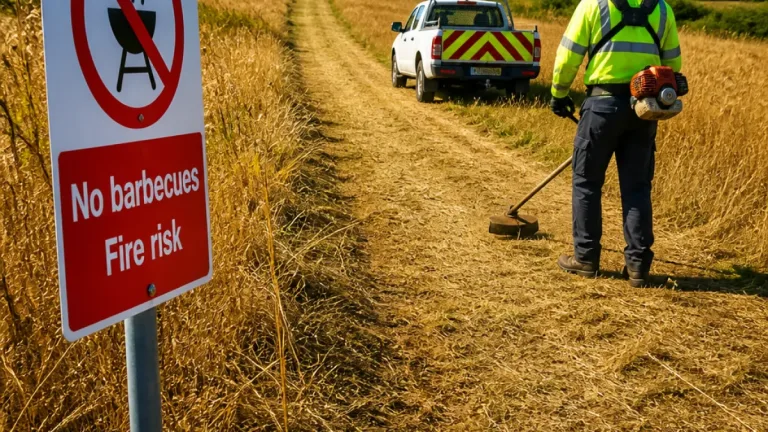
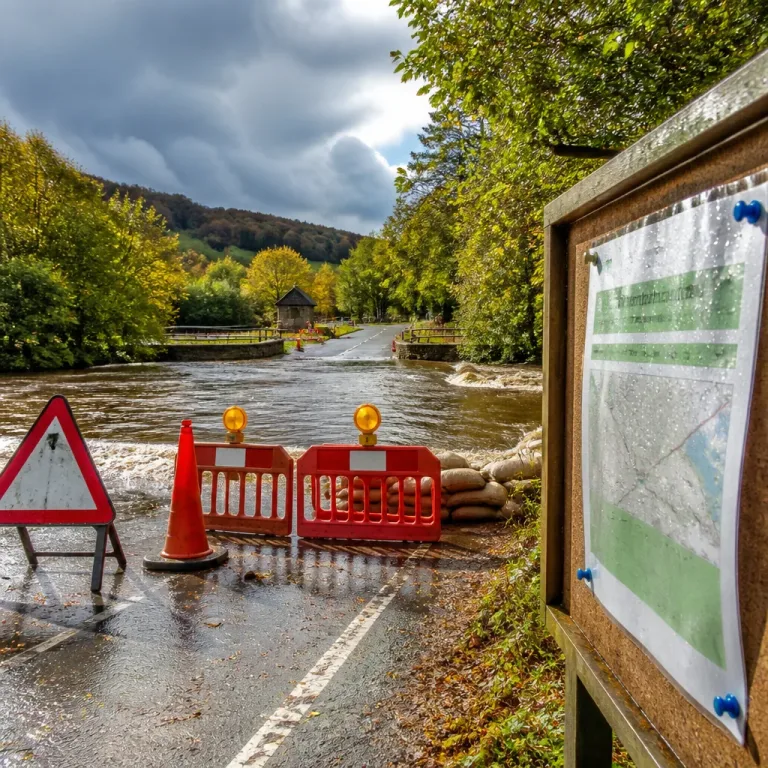
Forecasters and agencies have warned of cascading impacts: agricultural yields could be affected as farmers report increasingly parched land, water resource managers face strain on supplies, and the fire risk across vulnerable landscapes remains elevated. The Met Office linked the persistence and intensity of these conditions with ongoing climate change, noting such extremes are occurring more frequently.
Key national figures
| Nation | July rainfall | Share of average |
|---|---|---|
| Southern England (region) | 1.9mm | — |
| England (total) | 6.5mm | 10% |
| Wales | 9.3mm | 9% |
| Northern Ireland | 26.9mm | 30% |
| Scotland | — | 69% |
| UK total | 28.9mm | Third driest on record |
Practical guidance and outlook
- Water users should expect continued restrictions in drought-declared areas; follow local water company guidance on usage limits.
- Farmers and growers are advised to liaise with agricultural advisers about irrigation and feed strategies as dry soils persist.
- Take precautions against heat and fire risk: avoid unnecessary outdoor burning and heed local fire and public-safety advice.
Sunshine totals also surged in England, which recorded 305.6 hours of sunshine for July, surpassing the previous July record of 294.8 hours. The combination of high temperatures, prolonged sun and minimal rainfall has left landscapes abnormally dry and stressed water systems.
Authorities will be monitoring reservoirs, river flows and soil moisture into the autumn. While single-month records do not alone determine long-term trends, the Met Office emphasises the clustering of heat and dryness this summer as part of a pattern of more frequent extremes associated with climate change.
Further updates and detailed regional bulletins are expected as agencies finalise monthly assessments and water-management decisions for drought-hit areas.