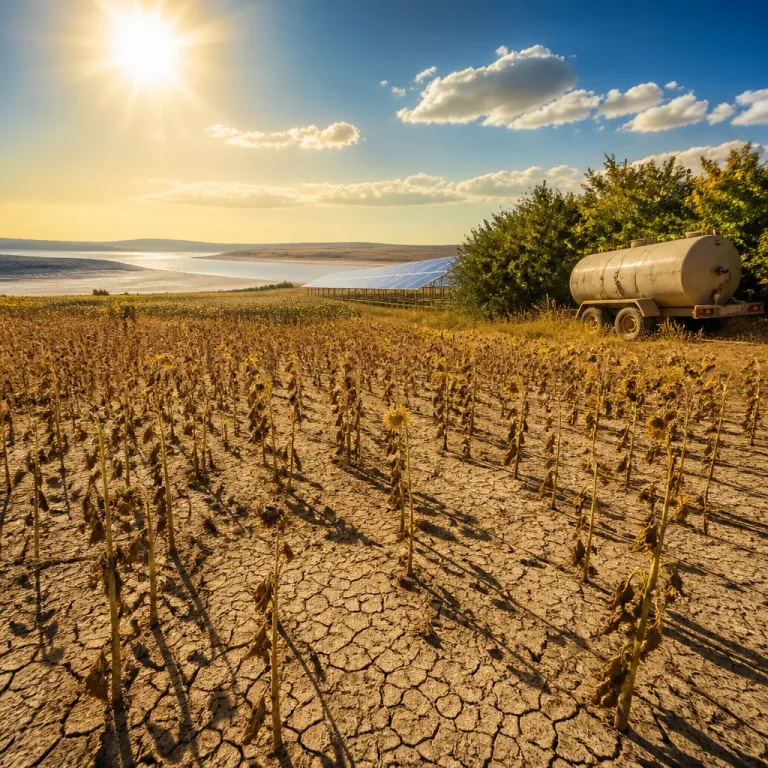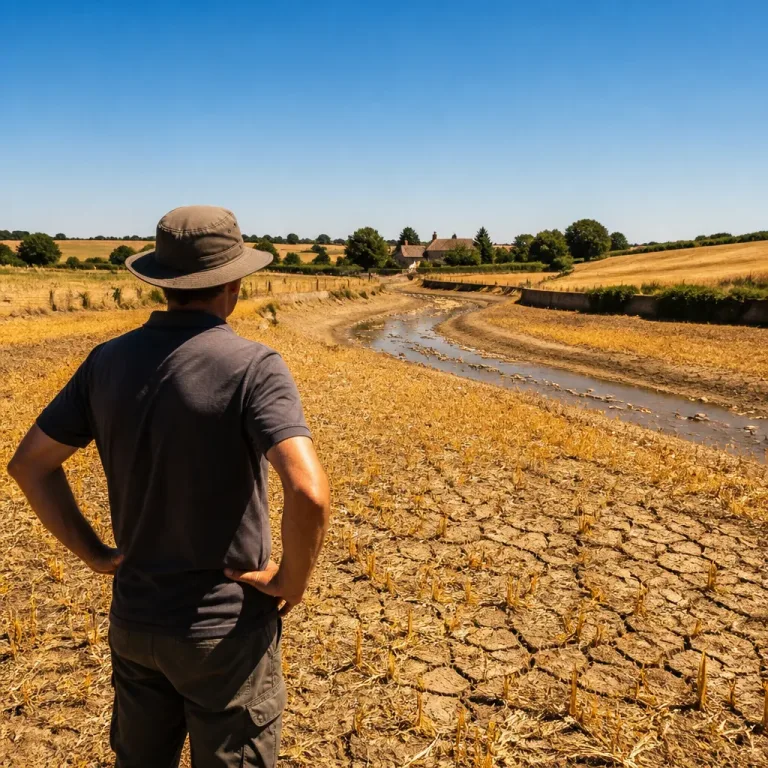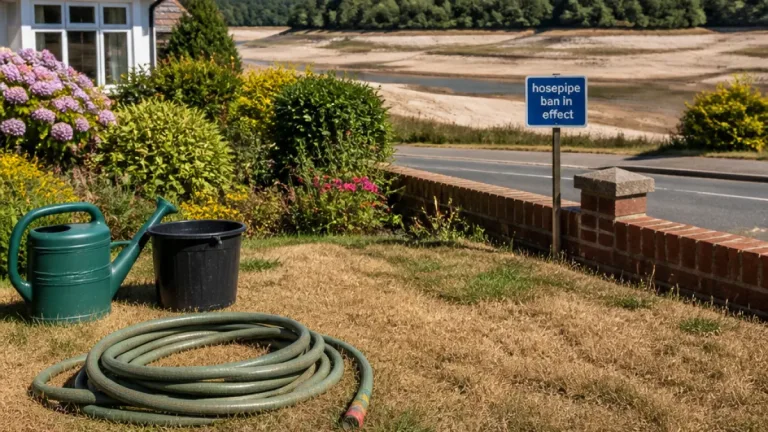
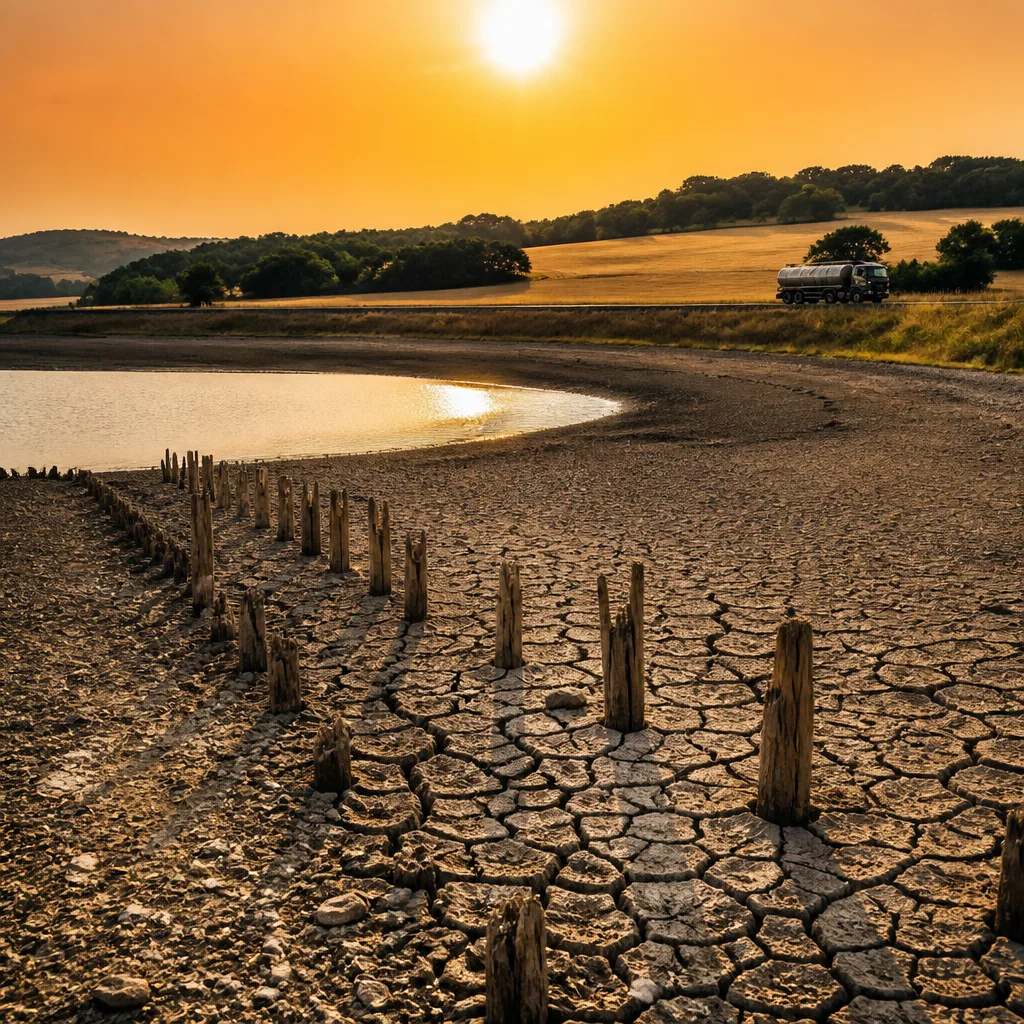
Seven parts of England have been officially declared in drought as the country experiences one of its driest summers on record, the Environment Agency has confirmed. Officials point to exceptionally low rainfall and repeated spells of hot weather as the cause of a rapid 'flash drought' that is stressing rivers, water supplies and the natural environment.
Scope and scale
The Environment Agency listed the affected areas as East Anglia, Hertfordshire and London, Thames Valley, Hampshire and the Isle of Wight, Devon and Cornwall, the West Midlands, and Wessex (covering Dorset, Somerset, Wiltshire and Gloucestershire). Data for July shows England overall has received roughly 7% of typical rainfall for the month, with some parts of southern England recording as little as 1% of expected precipitation.
Local observations underline the severity: parts of Hampshire have gone more than 49 days without measurable rain. The situation follows two consecutive summers of drought in some areas and is the third notable drought episode in five years.
Heat, health and fire danger
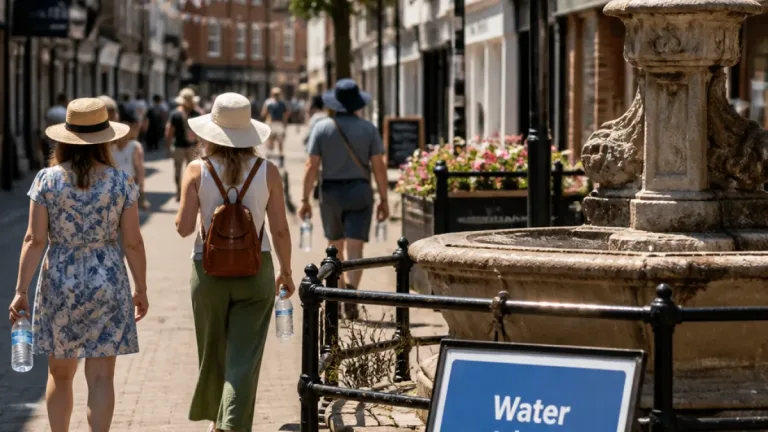
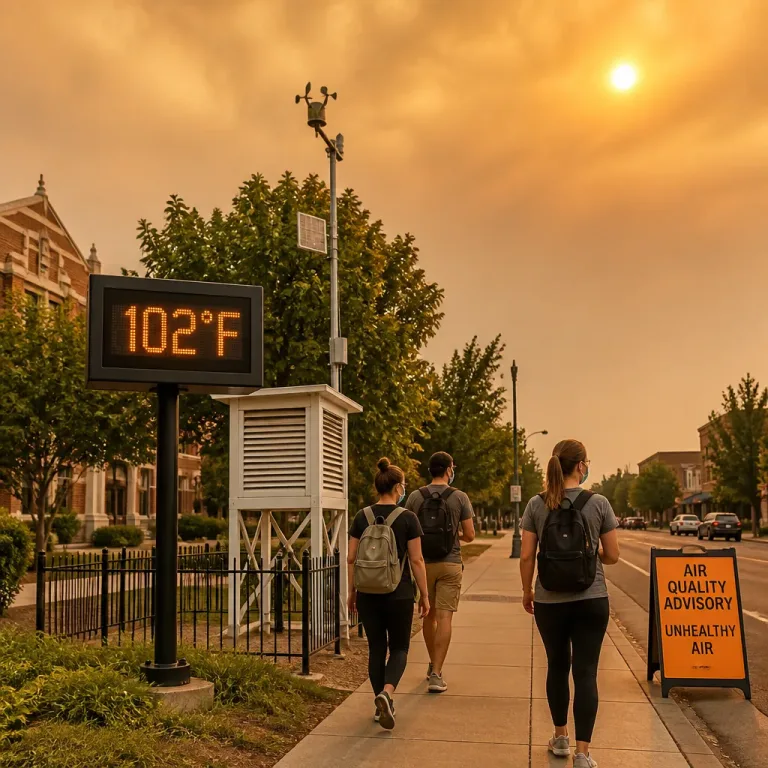
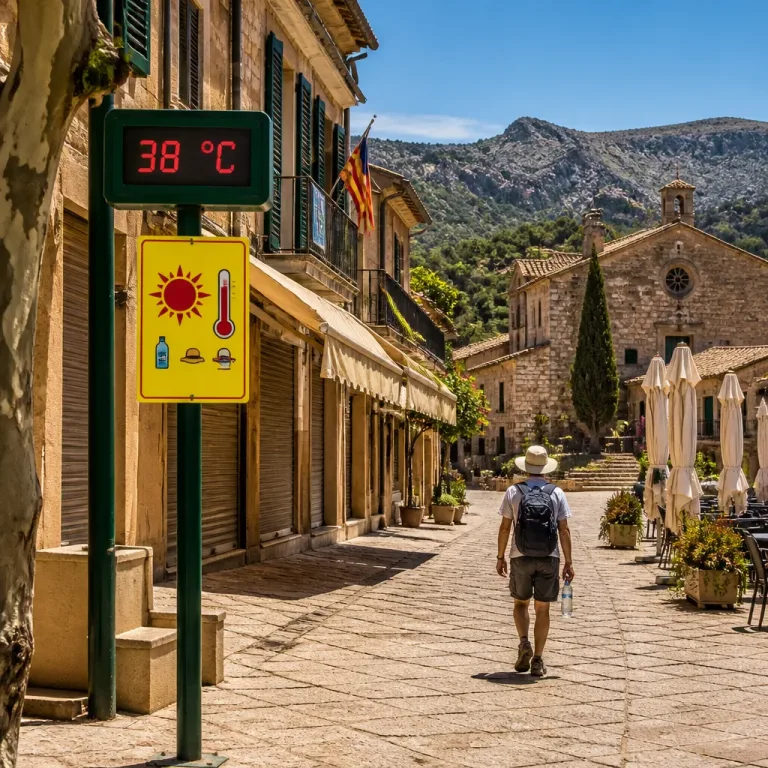
Meteorological agencies say a further heatwave is underway, with temperatures forecast to reach around 35°C during its peak. The UK Health Security Agency has issued an amber heat-health alert for the East Midlands, East, South East and London for a multi-day period, signalling increased health risk for vulnerable people.
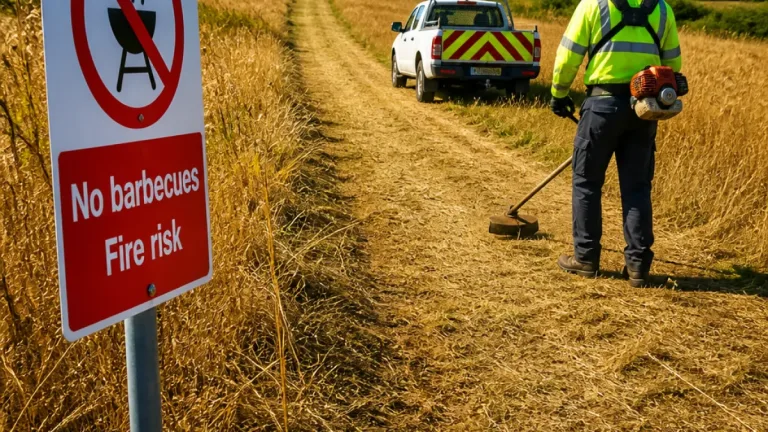
The Met Office has warned there is limited prospect of the widespread, sustained rainfall that would ease drought conditions. It also assessed that wildfires could be "exceptionally severe" if ignitions occur in susceptible areas of London, the South East and eastern England during the peak heat.
"The hot and dry weather means we are currently using water faster than nature can replenish it,"
said Helen Wakeham, Director of Water at the Environment Agency and Chair of the National Drought Group, who stressed the seriousness of a second consecutive summer drought and the long-term impacts on wildlife, agriculture and the economy.
Government and agency response
The National Drought Group met with the Water Minister to review the state of supplies. Authorities are urging water companies to accelerate leak repairs and to follow, or go beyond, existing drought plans to protect supplies ahead of the autumn.
Officials say they have increased monitoring of water resources and are controlling volumes that can be abstracted from rivers and groundwater where necessary. The Environment Agency and water firms have been asked to prioritise actions that reduce demand and secure supply resilience.
- Areas declared in drought: East Anglia; Hertfordshire & London; Thames Valley; Hampshire & Isle of Wight; Devon & Cornwall; West Midlands; Wessex.
- July rainfall: ~7% of average across England; parts of southern England as low as ~1%.
- Heat peak: up to 35°C forecast; amber UKHSA heat-health alert active for parts of England.
| Metric | Reported value |
|---|---|
| Number of regions in drought | 7 |
| England July rainfall (approx.) | 7% of normal |
| Lowest southern rainfall | ~1% of normal |
| Consecutive dry days noted (Hampshire) | 49+ |
Practical guidance
Authorities advise residents to conserve water where possible and for those in vulnerable groups to take standard heat-health precautions: keep hydrated, avoid strenuous activity during the hottest hours and check on elderly or isolated neighbours. Given the elevated wildfire risk, the public should avoid actions that could start fires in dry vegetation and follow local fire service guidance.
The near-term outlook from the Met Office gives little indication of sustained, region-wide rainfall that would rapidly reverse current drought classifications. Water companies and national agencies say they are prioritising repairs, monitoring and contingency measures to reduce the risk of supply disruption as the summer heat continues.