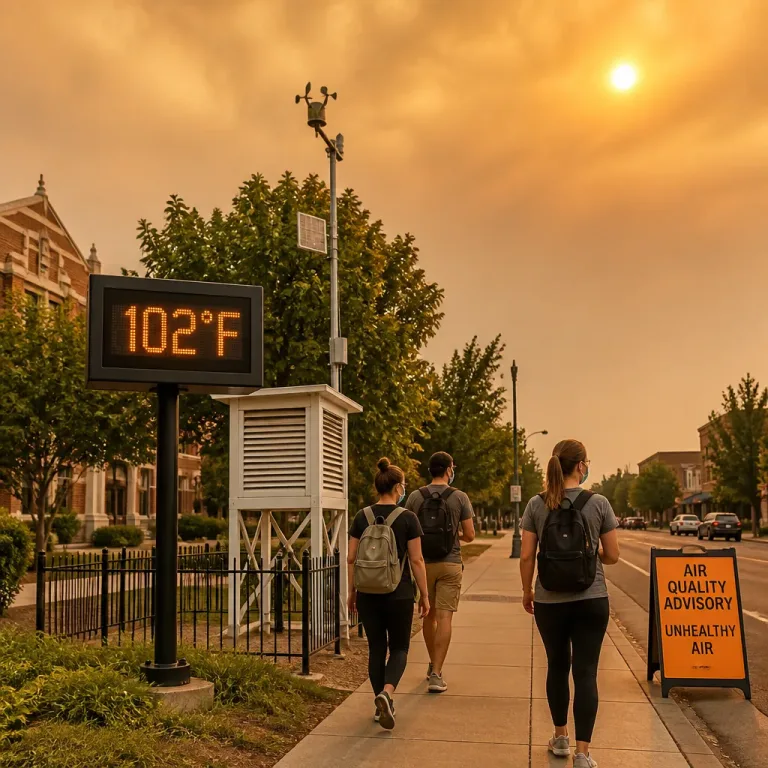
Forecasters are warning of a significant warm spell for parts of England next week, with modelling indicating temperatures may peak around Tuesday 28 July and the capital possibly reaching the low 30s Celsius. Heat-health warnings are already in force for large swathes of the country as officials highlight risks to vulnerable people and to infrastructure.
Scope of the warnings
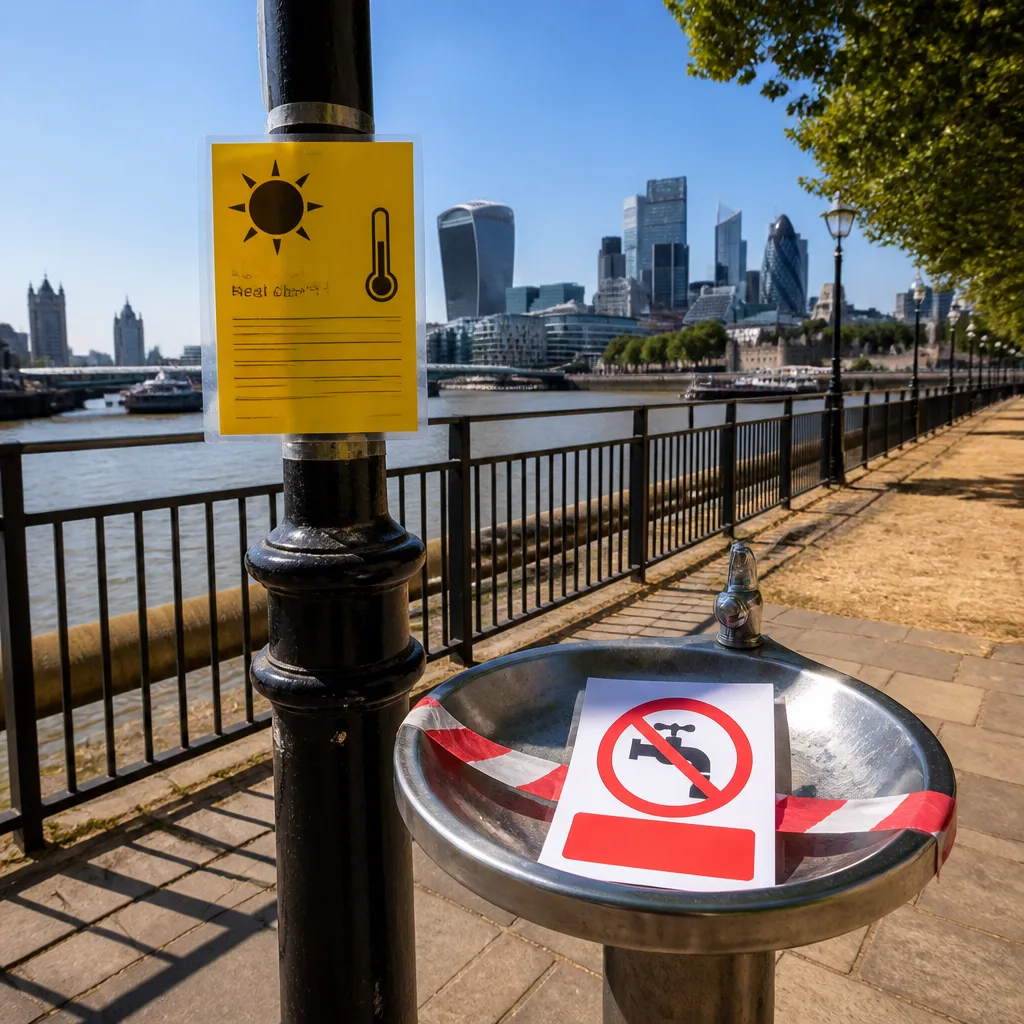
The current yellow heat health alerts cover: London, the South East, the East Midlands, East of England, the South West and the West Midlands. These alert periods run from 09:00 on Friday until 09:00 on Sunday, with forecasters flagging that temperatures could build further into next week.
Forecast details and wider context
Model output from WX Charts suggests a six-day stretch of hot weather may begin on Monday, with much of the south and central England likely to see daytime maxima in the mid to high 20s Celsius and a potential peak of around 32C in London on Tuesday. The forecasts come amid a prolonged dry spell across England.
- Peak day indicated: Tuesday 28 July (modelled).
- Possible high: up to 32C in London.
- Current alerts: Yellow heat-health alerts for six English regions, 09:00 Friday to 09:00 Sunday.
"By Sunday, temperatures are expected to turn ‘fresher’ across much of the UK, with rain possible in areas that haven’t seen much over the past few weeks,"
Consequences already being felt
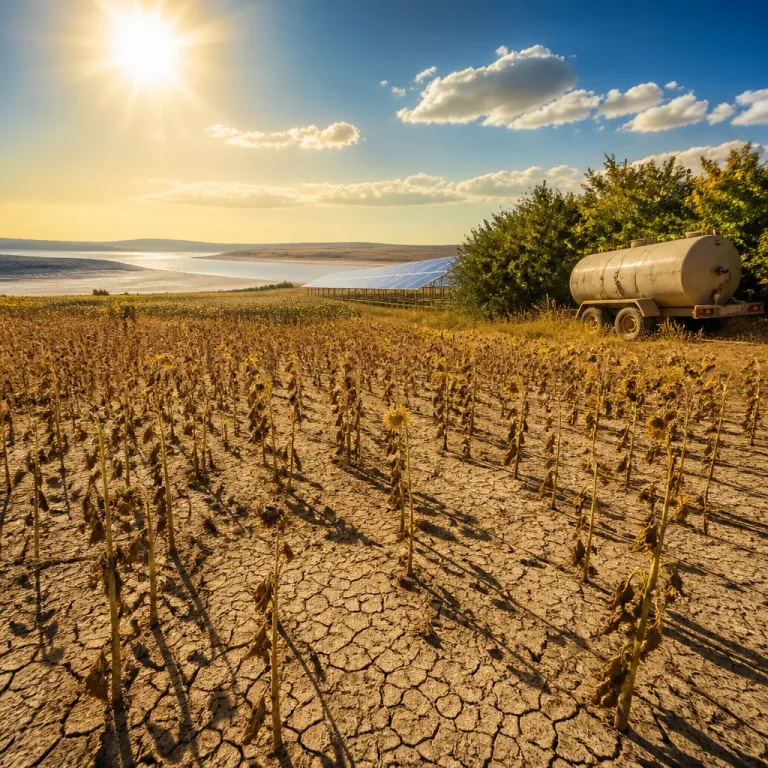
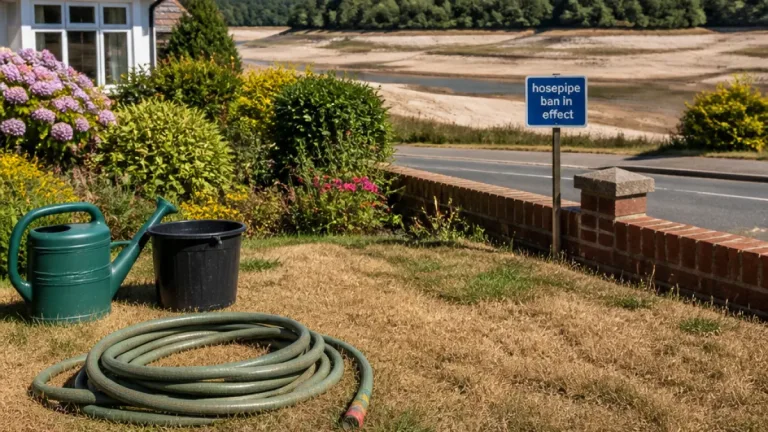
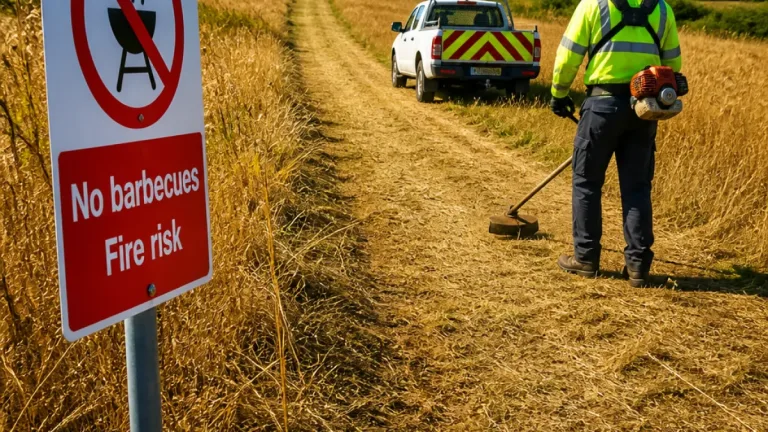
Officials have linked the dry conditions to wider impacts: hosepipe restrictions are in force for about 23 million customers, and suppliers have warned these measures may remain for the summer. Only around 3% of average July rainfall has fallen in many areas, contributing to drought declarations and ongoing wildfire incidents in England and Scotland.
| Indicator | Reported figure |
|---|---|
| Proportion of normal July rainfall received | ~3% |
| Customers under hosepipe bans | 23 million |
| Estimated drivers taking long road trips (Fri–Thu) | 6.3 million |
Practical advice
Where heat is expected, public-health guidance remains relevant: stay hydrated, avoid strenuous activity during the hottest hours, check on elderly or frail relatives and neighbours, and follow local advice on water use. Transport bodies are preparing for heavy holiday traffic: the AA estimates around 6.3 million motorists will undertake journeys over 100 miles in the coming week, and ports expect busy periods.
The evolving situation will be monitored by meteorological services; further adjustments to alerts and precise temperature guidance are likely as model runs are updated ahead of the anticipated peak.