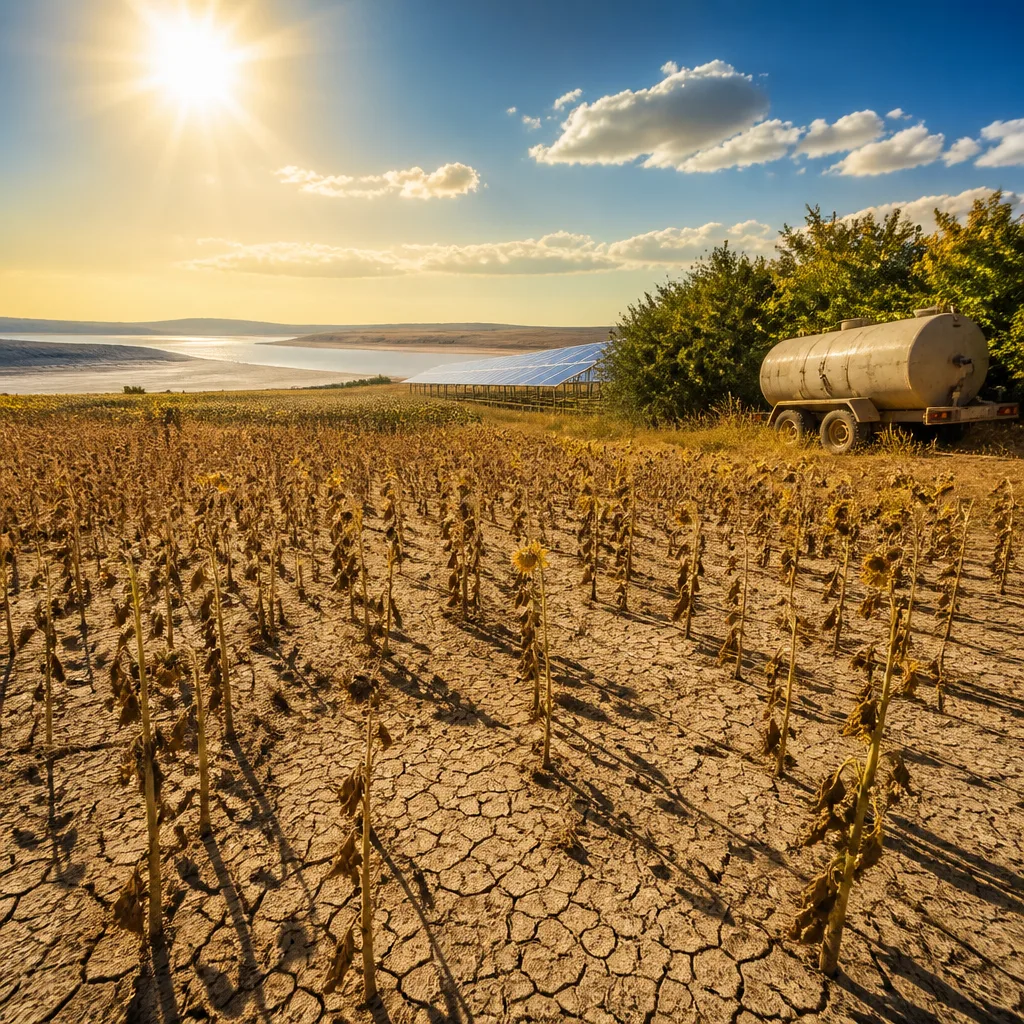
England and Wales experienced their driest July since records began in 1836, provisional figures from the Met Office show, with southern England seeing its driest calendar month on record as the country faces worsening drought and ongoing heat.
Rainfall deficits and temperatures
The Met Office estimates England received just 10% of its normal July rainfall, while Wales saw only 9% of the long-term average. In 19 English counties recorded rainfall totalled effectively 1mm or less for the whole month. Southern England also recorded its hottest July on record; Wales had a joint hottest July; and the UK and England reported their second hottest July in the provisional dataset.
Sunshine and power
The month was exceptionally sunny. The Met Office reported the UK, England and Wales each recorded their sunniest Julys on record, and for England and Wales it was the sunniest calendar month observed. The prolonged sunshine contributed to a new monthly record for solar power, which supplied 14.4% of electricity across the month and reached a brief peak of 44% of generation on the morning of Sunday 12 July.
Impact on agriculture and water
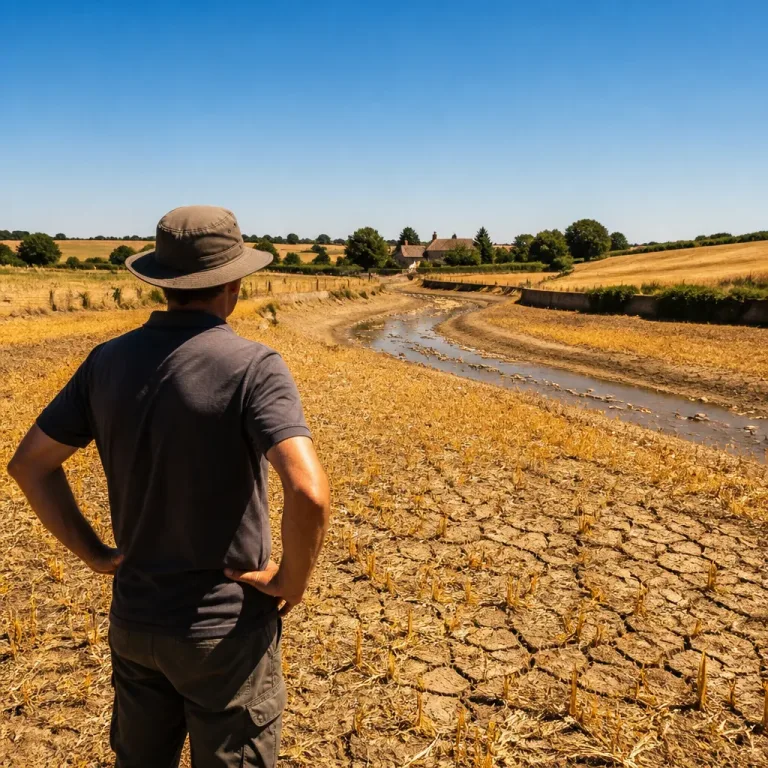
Farming organisations described significant consequences for crop yields and livestock. The National Farmers’ Union said the situation is severe and has called for urgent measures to protect water availability for domestic food production. The NFU warned the dry conditions are affecting fruit and vegetable irrigation and forcing some livestock keepers to feed animals from winter stores.
“One of the most severe droughts many farmers and growers have lived through”
Warnings and ongoing conditions
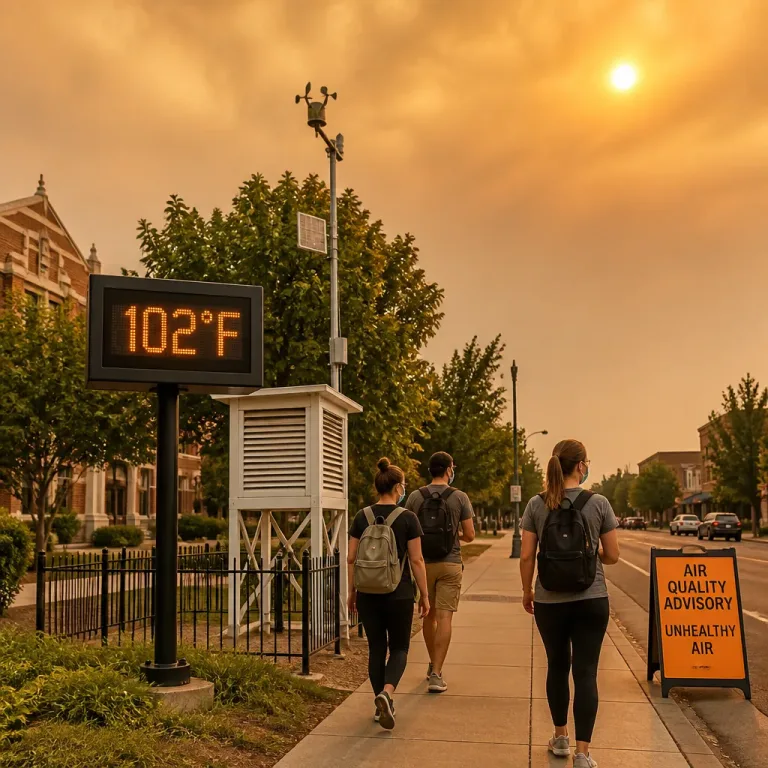
Parts of England were under an amber heat-health alert as temperatures were forecast to reach up to 35°C on a Monday in early August. The Met Office stressed the UK is increasingly facing more extreme weather, including heatwaves and droughts, which scientists link to climate change driven largely by fossil fuel emissions.
- Rainfall: England 10% of average, Wales 9% of average in July
- Counties with near-zero rain: 19 English counties recorded ≤1mm
- Solar generation: 14.4% of monthly electricity, peak 44% on 12 July
- Forecast peak temperature: up to 35°C during an amber alert
| Measure | July figure |
|---|---|
| England rainfall vs average | 10% |
| Wales rainfall vs average | 9% |
| Solar share (monthly) | 14.4% |
| Solar peak share (12 July) | 44% |
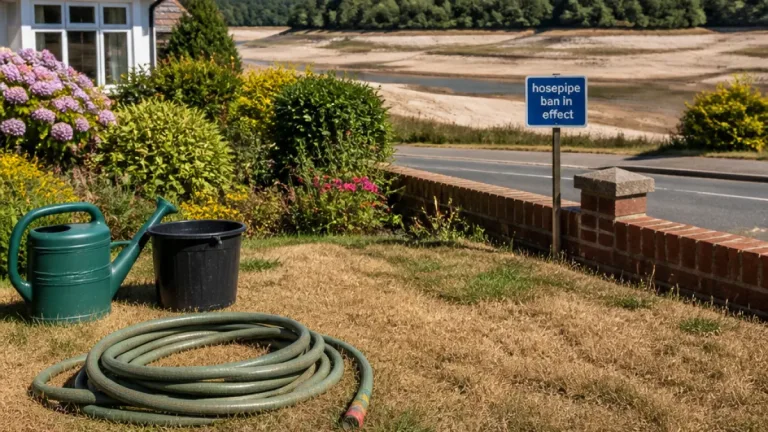
Authorities and water companies continue to monitor reservoir levels and supply-demand balances. Households and businesses in affected areas are advised to follow local water-use restrictions where in force and to adhere to health guidance during heat alerts: keep hydrated, avoid strenuous activity during the hottest hours and check on vulnerable neighbours.
The figures underscore how a spell of prolonged sunshine and heat can strain water resources and agriculture while boosting renewable generation. The Met Office data are provisional and will be reviewed, but they already mark a landmark month in the UK's climate record.