Council vote pushes scheme towards permanence
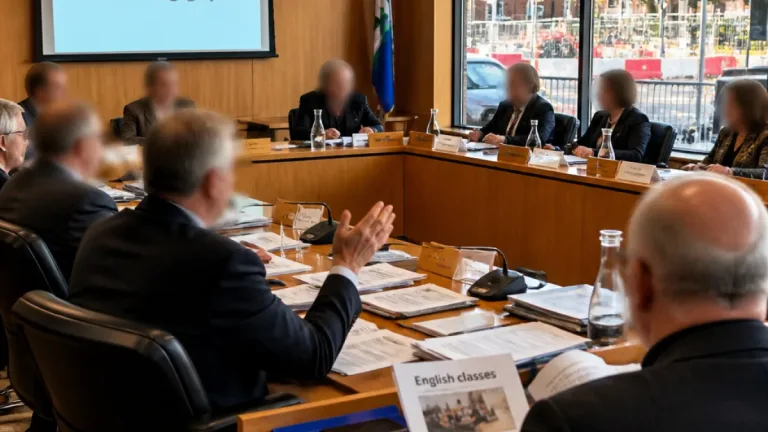
Councillors on Bristol City Hall’s transport committee have narrowly voted to make the East Bristol Liveable Neighbourhood (EBLN) permanent, subject to changes, following an 18‑month trial that has drawn sustained opposition. While the committee agreed to proceed, the future of the scheme now hinges on securing funding from the West of England metro mayor, Helen Godwin, who has given what was described as a lukewarm response. The final decision on financing is still under consideration.
The programme has cost millions more than initially anticipated, according to information discussed around the decision. The council is expected to submit a formal request to the Combined Authority for the funds needed to move from trial to permanent status with adjustments.
Campaigners challenge process and impact
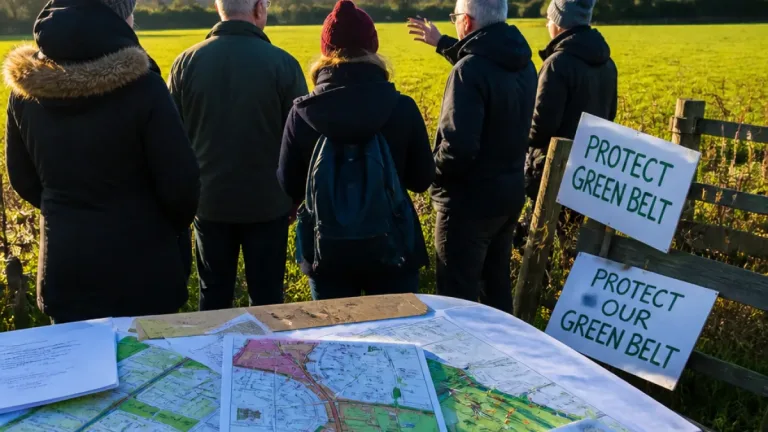
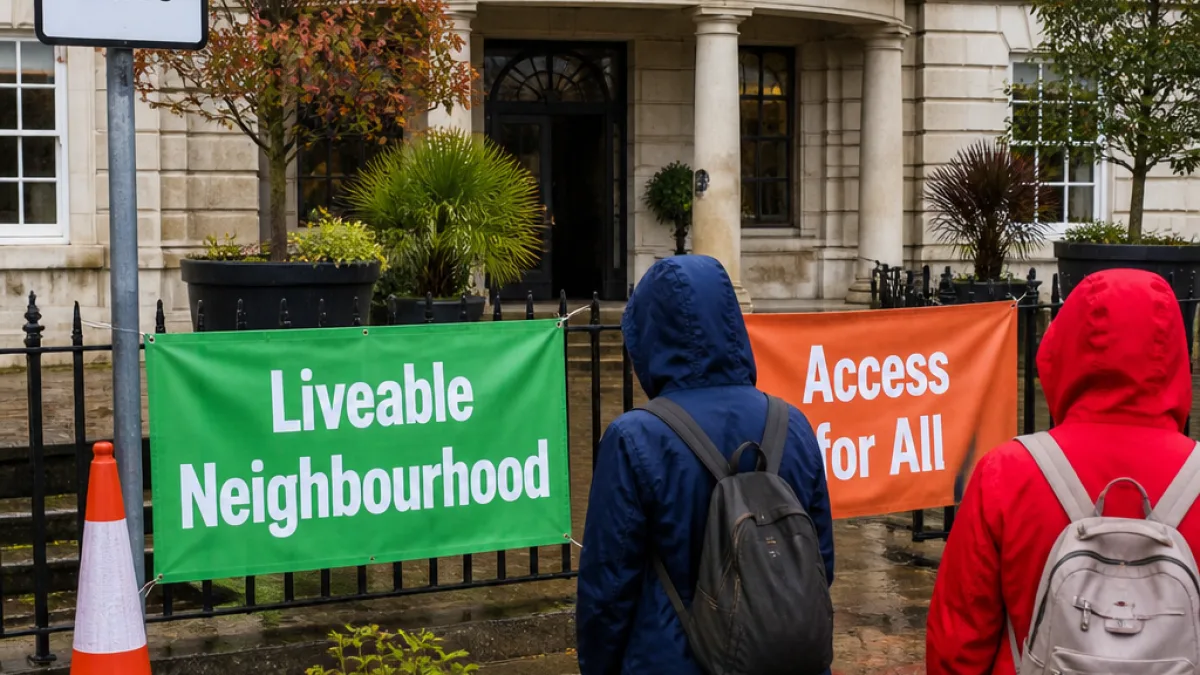
Opposition to the EBLN has been highly visible throughout the trial period, including instances where protesters physically blocked works to install bus gates and modal filter planters. Redfield resident Melissa Topping, a vocal critic, argues the scheme has increased congestion on boundary roads, worsened pollution and created access difficulties, particularly for disabled people and local businesses.
“Liveable Neighbourhoods are for the few, but unliveable for the many… Despite claims from the council that these schemes bring safer, cleaner streets, the overwhelming evidence from the EBLN trial is one of gridlock, increased pollution on boundary roads, and crippling access issues.”
Topping also alleges the council failed to consult residents adequately at the outset, describing the initial consultation as poorly advertised and rushed. She cites public remarks acknowledging flaws in consultation and execution, referring to what has been described by a leading councillor as a “monumental mistake.”
What changes were agreed?
The committee backed permanence with changes, although detailed alterations have not been set out in full at this stage. The scheme—intended to prioritise people-friendly streets—has seen reconfigured traffic flows through filters and gates. The debate now centres on whether targeted adjustments can mitigate concerns about access for disabled residents, the knock‑on effects on surrounding routes, and the experiences of traders on and near boundary roads.
Funding decision still to come
While the committee’s vote signals intent, the funding decision by the West of England Combined Authority remains a pivotal step. Metro Mayor Helen Godwin has noted that the outcome is still being weighed, leaving uncertainty over the timeline and scope for any revised design. Without the necessary funding, the council’s plans to embed the changes could stall.
Local context and next steps
The EBLN has become one of Bristol’s most contested transport initiatives of recent years, crystallising longer-running arguments over road safety, air quality and equitable access. Supporters of such schemes typically emphasise reductions in through‑traffic in residential streets, while critics point to displaced congestion and barriers to everyday journeys—especially for those with mobility needs. The committee’s narrow margin underscores both the policy ambition and the political sensitivity surrounding the issue.
Residents and businesses in East Bristol will be watching for clarity on:
- Which changes the council proposes before any permanent rollout.
- How concerns from disabled residents and local traders will be addressed.
- Whether the Combined Authority agrees to finance the scheme and on what conditions.
Timeline at a glance
| Stage | Status |
|---|---|
| 18‑month trial | Completed amid ongoing protests |
| Transport committee vote | Narrow approval for permanence with changes |
| Funding request | To be considered by Metro Mayor Helen Godwin |
| Implementation | Dependent on funding and agreed adjustments |
Campaigners plan to continue pressing for the scheme to be halted, calling for a reset on consultation and a wider assessment of impacts beyond the trial area. Meanwhile, the council faces pressure to demonstrate that lessons from the trial will translate into a revised approach capable of balancing cleaner, calmer streets with reliable access for those who depend on car travel.