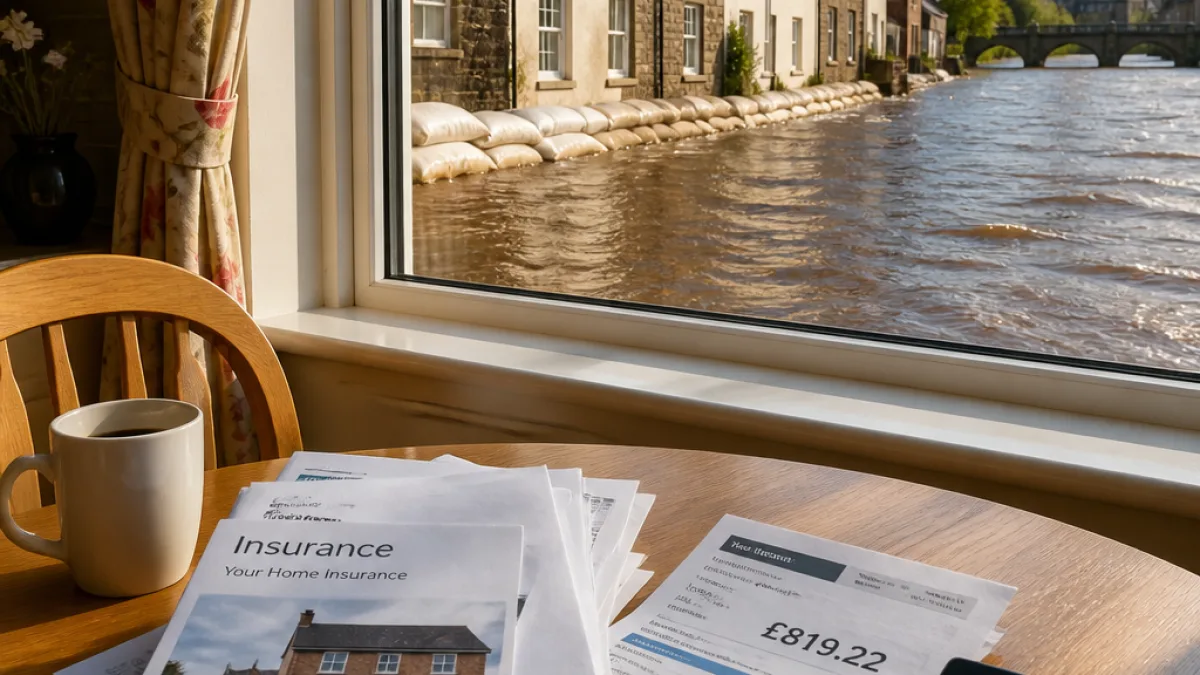
Homeowners in Newry, Mourne and Down are now paying the highest home insurance premiums in Northern Ireland, with average annual costs standing at £819.22, according to new figures from CompareNI.com. That represents a 6.5% increase in the last year from £769 and marks a dramatic 235% rise over the past three years.
Flooding and climate risk push prices up
Insurers have cited recent extreme weather as a key driver of the rising premiums. The severe flooding in the South East during autumn 2023 inundated hundreds of properties and caused more than £40 million of damage, prompting a government review. That review concluded the event was caused by unprecedented rainfall and warned that, with climate change, the frequency of such events is likely to increase — a factor now being reflected in long‑term insurance pricing.
Wider Northern Ireland picture
CompareNI.com's research shows homeowners across Northern Ireland are paying substantially more for cover than households in the rest of the UK. While average premiums have fallen in many parts of the UK year‑on‑year, Northern Ireland remains an outlier, with even the cheapest district in the region carrying higher average costs than any region in Great Britain.
- Newry, Mourne and Down: £819.22 (up 6.5% in 12 months)
- Ards and North Down: £411 (lowest in Northern Ireland; down 5.3%)
- Antrim and Newtownabbey: £456 (up 3.5%)
The gap between the most and least expensive districts in Northern Ireland has widened to more than £400. Other areas that recorded large year‑on‑year reductions include Fermanagh and Omagh (down 11%), Mid and East Antrim (down 8.5%) and Causeway Coast and Glens (down 7.4%).
| District | Average premium | Year change |
|---|---|---|
| Newry, Mourne and Down | £819.22 | +6.5% |
| Ards and North Down | £411 | -5.3% |
| Antrim and Newtownabbey | £456 | +3.5% |
Local impact and what homeowners should consider
For residents of Newry, Mourne and Down, the figures underline the ongoing financial consequences of the 2023 floods and the way insurers are pricing for increased long‑term risk. Higher premiums can affect household budgets and the affordability of maintaining adequate cover. Homeowners should review their policies carefully, noting any changes in flood cover, excesses or exclusions introduced since 2023.
Practical steps for concerned residents include checking whether their property is declared at increased flood risk, comparing quotes from multiple providers, and asking insurers how climate projections and local claims history are influencing premiums. Those who remain uncertain about their cover or their property’s risk status may wish to seek independent advice before making changes.
Local authorities and central government reviews prompted by the 2023 floods remain relevant as insurers continue to factor historic events into future pricing. For many in the district, the rising cost of cover will be a continuing pressure as climate‑related risks are reassessed.