Complaint targets political neutrality obligations
A formal complaint has been submitted to the International Olympic Committee (IOC) alleging that FIFA president Gianni Infantino breached rules on political neutrality in his dealings with United States President Donald Trump. The filing by human rights group FairSquare focuses on multiple instances it says contravene the Olympic Charter and the IOC Code of Ethics, centring most recently on the handling of the Folarin Balogun disciplinary case during the World Cup.
Infantino became an IOC member in 2020, binding him to the Olympic Movement’s standards on neutrality and ethical conduct. FairSquare says it has identified five clear breaches and presents what it describes as prima facie evidence of a further two serious breaches, including matters arising from Balogun’s suspension being set aside. The IOC has been approached for comment.
Balogun decision under scrutiny
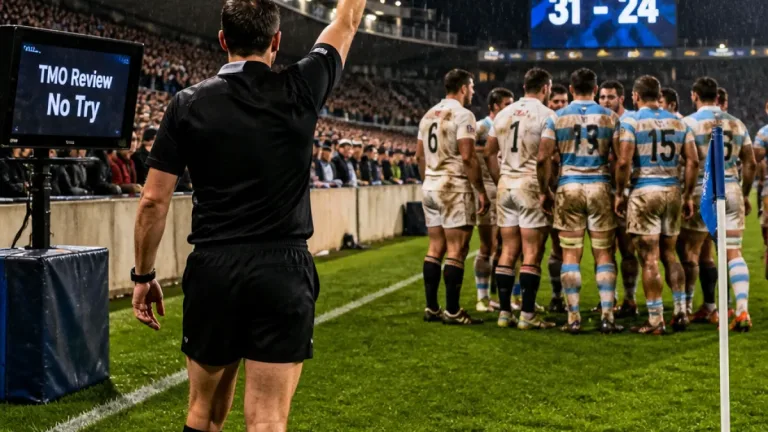
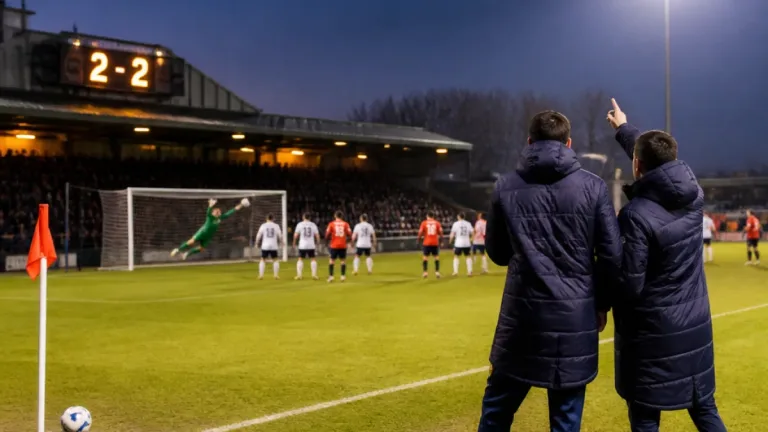
United States striker Folarin Balogun was shown a red card against Bosnia and Herzegovina and initially faced a one-match ban. That suspension was lifted by FIFA’s disciplinary committee, enabling him to feature in the USA’s World Cup last-16 tie with Belgium. The decision followed a call reportedly placed by President Trump to Infantino. The FIFA president has maintained that judicial bodies within the organisation operate independently of his office.
According to reporting in The Times, the committee’s chair, Mohammad Al Kamali, made the ruling to suspend the ban alone — an approach the newspaper noted has not appeared in previously published disciplinary outcomes as a sole-arbiter decision. FIFA has not provided an explanation for the reversal of the suspension, and the federation did not immediately respond to a request for comment.
Previous ethics complaint and growing pressure
FairSquare previously took similar concerns to FIFA’s own ethics bodies in December, receiving an acknowledgement but no further update. Momentum has since built around the issue. The Norwegian Football Federation wrote to FIFA’s ethics committee last month encouraging it to examine FairSquare’s complaint, while on 29 June a group of 50 Members of the European Parliament urged the same committee to address the allegations. The IOC and FIFA have both been contacted for comment on the latest submission.
What the IOC rules require
IOC members are expected to uphold political neutrality and avoid actions that could compromise the independence of sport’s decision-making. While the IOC is separate from FIFA, its Code of Ethics applies to all IOC members and can trigger reviews when conduct is called into question. If an IOC ethics inquiry is opened, outcomes can range from recommendations and warnings to suspension of certain IOC roles, depending on findings. No such action has been announced in this case.
Why this matters to supporters
For football followers in and around Slough, the case touches on the integrity of disciplinary processes that directly affect matches at the highest level. The independence of FIFA judicial bodies is a cornerstone of fair play. If external political considerations were shown to have influenced a decision, it would raise concerns about consistency for players, teams and fans across competitions.
- Transparency: Clarification of why Balogun’s ban was lifted has yet to be provided.
- Governance: The IOC may assess whether an IOC member’s conduct conflicted with neutrality rules.
- Precedent: How this is resolved could shape expectations for future disciplinary procedures.
Timeline of key steps
| When | Action |
|---|---|
| December | FairSquare files a complaint to FIFA’s ethics committee; receipt acknowledged. |
| Last month | Norwegian Football Federation writes to FIFA ethics committee urging review. |
| 29 June | Fifty MEPs write to FIFA ethics committee supporting examination of the complaint. |
| World Cup knockouts | Balogun’s one-match ban is suspended; he becomes eligible to play against Belgium. |
| Now | FairSquare submits a complaint to the IOC regarding Infantino’s political neutrality. |
What happens next
The IOC can request information, seek clarifications from the parties involved and, if warranted, refer matters to its Ethics Commission. There is no publicly stated deadline for such a process. Meanwhile, FIFA’s ethics structures may still respond to the original December complaint, which remains pending based on FairSquare’s account. Until either organisation issues a formal update, the substance of the allegations and the reasoning behind the disciplinary decision in question remain matters of public debate.
InfoRadar will continue to monitor developments and report on any responses from FIFA, the IOC or FairSquare, and any outcomes that follow for the game’s governance.