Legacy at Anfield and across Europe
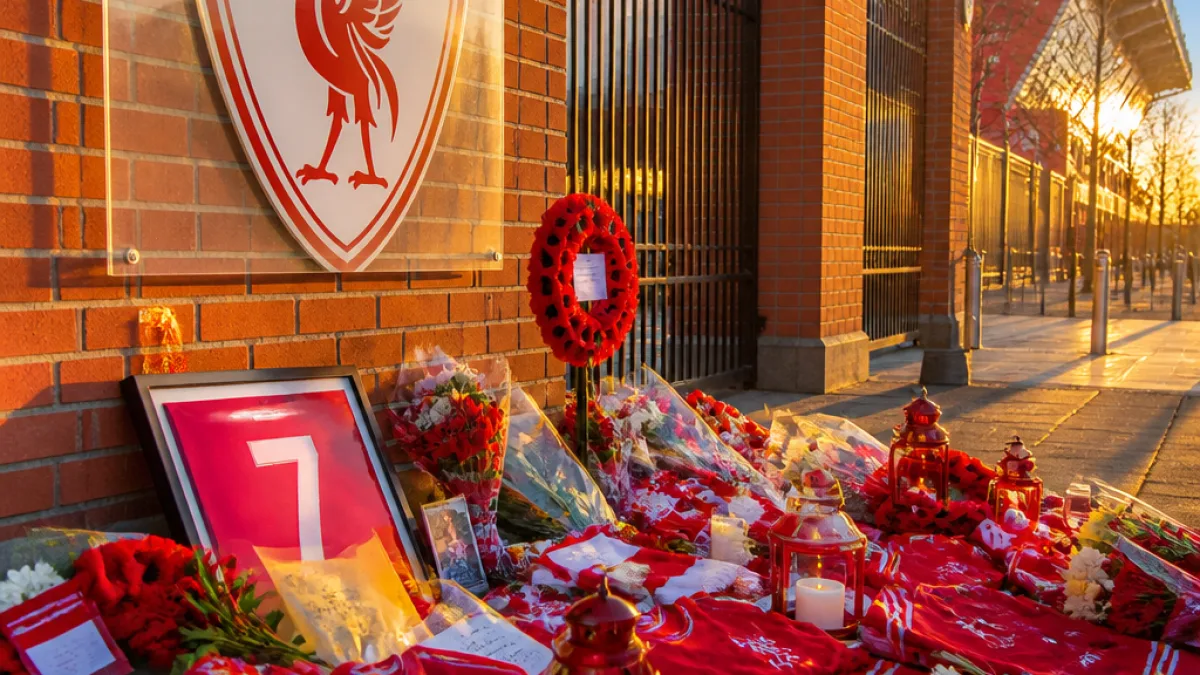
The family of Kevin Keegan has announced the former Liverpool forward has died at the age of 75, following a period in which he was reported to have been battling cancer. The statement said he was surrounded by his wife and daughters in his final moments. Keegan remains one of the most recognisable figures from Liverpool’s modern sporting history.
"It is with immense sadness that we announce that Kevin Keegan has passed away at the age of 75,"
Signed by Bill Shankly in 1971, Keegan formed a celebrated attacking partnership with John Toshack at Anfield and was central to a period of domestic and European success for the club. He made 323 appearances for Liverpool, scoring 100 goals, and helped the Reds to three First Division titles, the FA Cup, two UEFA Cups and the 1977 European Cup.
From Merseyside to the continent and back
After leaving Liverpool, Keegan enjoyed success in the Bundesliga with Hamburger SV. He won the Ballon d'Or in consecutive years and was part of the Hamburg side that claimed the 1978–79 Bundesliga title. The German club paid tribute to him, calling him one of world football’s defining figures and expressing condolences to his family.
- Made 323 appearances and scored 100 goals for Liverpool.
- Won the Ballon d'Or twice while at Hamburger SV.
- Represented England 63 times, scoring 21 goals and captained his country.
Local impact and reflections in Liverpool
For many in Merseyside, Keegan’s arrival at Anfield symbolised a renewal under Bill Shankly’s stewardship. Older supporters recall the energy and attacking verve he brought to the team; younger fans know him through the club’s modern heritage, museum exhibits and the oral history of supporters. His achievements with Liverpool remain displayed in the club’s roll of honour and in the memories of matches at Anfield where he was a constant threat.
| Category | Detail |
|---|---|
| Liverpool appearances | 323 |
| Liverpool goals | 100 |
| England caps / goals | 63 / 21 |
| Ballon d'Or | 2 (1978, 1979) |
Beyond statistics, Keegan’s return to England later in his playing career and subsequent roles in management — notably taking Newcastle into the top flight — contributed to a wider national profile that inevitably reflected back on his time in Liverpool. The club, supporters’ groups and former colleagues are expected to issue tributes in the coming days as the city marks the passing of one of its sporting figures.
In Liverpool, where football is woven into the civic identity, Keegan’s death will prompt reflection not only on trophies and goals but on the social and cultural moments he helped shape at Anfield and beyond. Supporters and the wider community will look to the club and local organisations for commemorations, and to the family’s wishes as they are made public.