Ministers are assessing a potential legislative route to reverse recent changes to coastguard volunteers’ remuneration, according to Orkney and Shetland MP Alistair Carmichael, who has escalated concerns about both pay arrangements and culture within the Maritime and Coastguard Agency (MCA).
Campaign accelerates after Westminster interventions
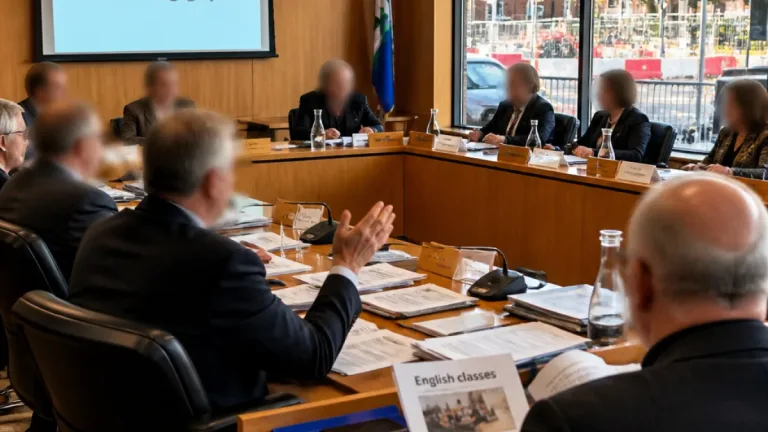
Mr Carmichael said he had pressed the issue in Westminster, first by leading a parliamentary debate on the impact of remuneration changes on safety in island communities, and then by securing an urgent question on broader problems within the MCA. He argues that the adjustments to payments risk undermining the resilience of volunteer teams that coastal communities depend upon for time-critical rescues.
In his latest update, the MP stated that the government is now actively exploring a route to reinstate payments to volunteers through primary legislation. As he put it:
“The minister for maritime has now confirmed that a legislative solution, which would see the restoration of remuneration to coastguard volunteers, is now being considered.”
He also referenced fresh allegations concerning a bullying culture within the agency, contending that the remuneration dispute reflects deeper organisational issues that should be addressed to protect the coastguard’s standing as a vital public service.
Why this matters for Orkney
Orkney’s dispersed population and extensive coastline mean the volunteer coastguard capability is often the first line of response alongside the RNLI and other partners. Local crews handle call-outs ranging from missing persons and cliff incidents to support for search-and-rescue operations in challenging weather. Any reduction in financial support, however modest in budgetary terms, can have real-world consequences for recruitment, retention and ongoing readiness.
While there has been no formal policy reversal to date, Mr Carmichael’s account of ministerial engagement signals a change in tempo. If a legislative fix is chosen, cross-party backing could expedite scrutiny, though details on scope and timing have not yet been set out publicly.
Timeline of key steps
| Stage | Development |
|---|---|
| Parliamentary debate | MP raises risks to island safety and questions MCA leadership approach. |
| Urgent question | Commons Speaker grants further scrutiny on remuneration and wider MCA culture. |
| Ministerial response | Government considering legislative solution to restore volunteer remuneration. |
MCA culture concerns add wider pressure
Beyond the immediate pay issue, the MP argues that the MCA faces longer-term cultural challenges, citing recent allegations of workplace bullying. He maintains that addressing those claims is essential to ensure operational effectiveness and public confidence across coastal communities. The agency has not set out its position in the material provided here, and there has been no independent adjudication of the allegations referred to by the MP.
Local preparedness and practical implications
For Orkney residents, the immediate question is service continuity. Volunteer teams continue to respond to incidents, train with partners and maintain readiness. However, uncertainty around remuneration may weigh on future availability, especially in remote areas where volunteers balance paid work with on-call duties. A clear government decision—either to codify support in law or propose an alternative—would provide the predictability volunteers and their employers say they need.
- If legislation proceeds, details will be required on eligibility, rates and implementation timelines.
- Any parallel review of MCA culture would need defined terms of reference and reporting arrangements.
- Local stakeholders are likely to seek assurances that island service levels will be protected during any transition.
Next steps
Attention now turns to the maritime minister and the government’s legislative planners. Mr Carmichael has indicated cross-party willingness to support a rapid fix should a bill or clause be brought forward. Until then, crews, partner agencies and communities will watch closely for clarity on how the remuneration changes will be addressed and what action—if any—will follow on the organisational concerns raised.
As the debate continues, the core question remains straightforward: how best to sustain and support the volunteer expertise that underpins search-and-rescue along Orkney’s coasts, ensuring that when the pager sounds, trained teams can respond without hesitation.