
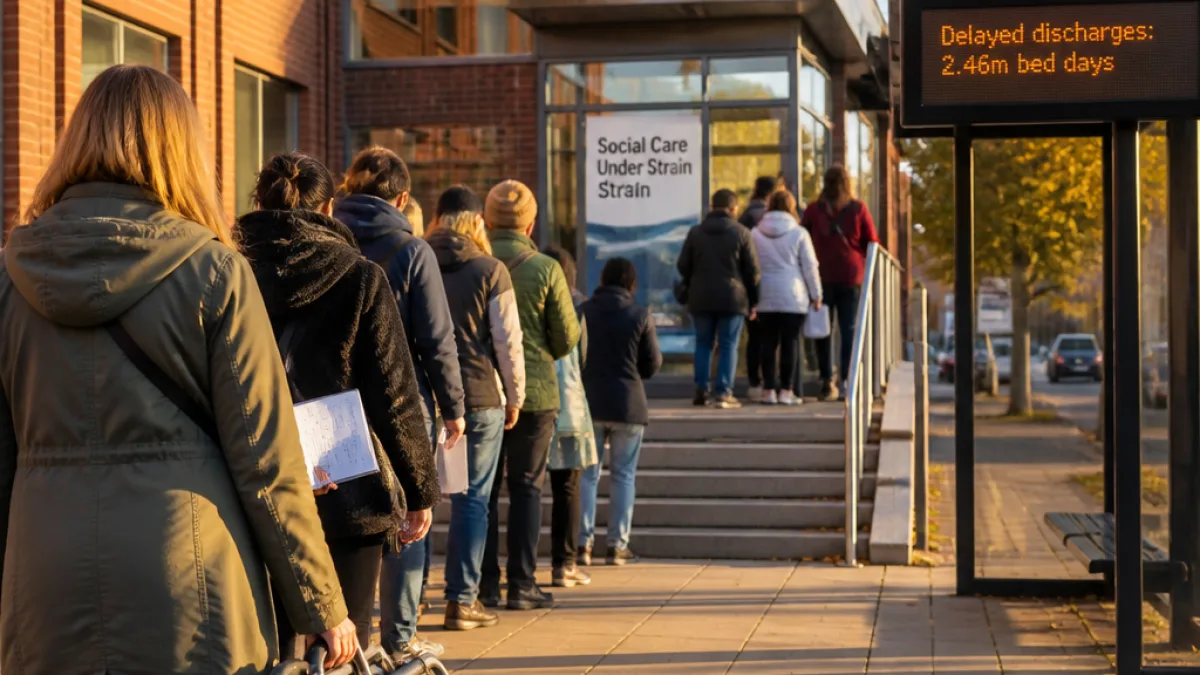
Liberal Democrat analysis of local social care provision has found that a substantial number of older and disabled adults in Wokingham were denied the care they needed in 2024/25, a trend the party says demonstrates the system is “at breaking point”. The findings add to growing concerns about pressures on local services and knock-on effects on the NHS.
Local figures and national context
The party’s study reports that 1,720 older people in Wokingham were refused care in 2024/25, together with 490 disabled working‑age adults. It also highlights the wider pressure on hospitals, citing a record 2.46 million hospital bed days lost to delayed discharges so far this year.
| Measure | Figure |
|---|---|
| Older people denied care (2024/25) | 1,720 |
| Disabled working‑age adults denied care (2024/25) | 490 |
| Hospital bed days lost to delayed discharges (2026, year to date) | 2.46 million |
MP calls for cross‑party solution
Clive Jones, the Liberal Democrat MP, has urged government and opposition to pursue a cross‑party settlement on social care, arguing repeated failed attempts to reform the sector mean families and local services are bearing the cost. The party has set out three tests it says any credible reform must meet:
- Put family carers at the centre with guaranteed rights, including respite and changes to Carer’s Allowance.
- Establish a universal safety net for care, including free personal care.
- Protect households from catastrophic care costs.
“Every week in Wokingham, I speak to families who have reached breaking point. Too many people are being left isolated and unsupported without the care they need.”
Impact for local services and residents
The figures, drawn from party analysis, point to both immediate and systemic effects locally. At an individual level, being denied an assessment or funded support can force families into unpaid care roles or the private market. At a system level, delays in discharging patients who are medically fit for home care can reduce hospital capacity, contributing to longer waits for emergency care and elective operations.
For Wokingham Borough Council, already managing competing budgetary pressures, rising demand for adult social care and limited resources create difficult choices about eligibility and commissioning. Providers in the independent and voluntary sectors are likewise affected when demand outstrips capacity.
What this means for residents
Local people concerned about assessments, eligibility or support should contact Wokingham Borough Council’s adult social care team for advice on care needs assessments and available services. Carers seeking help can also look to national and local carer organisations for information on entitlements and respite options.
The Liberal Democrats say they will press the new Prime Minister to engage in cross‑party talks aimed at long‑term reform. Whether ministers from other parties will join such negotiations, and what specific funding or legislative changes might follow, remains to be seen.
As the debate continues, the central consequence for Wokingham communities is immediate: people in need of care, and the families who support them, are reporting unmet need at a time when hospital capacity is also under strain.