Opposition warns cuts force 'ruthless' focus on statutory services
The opposition group on Wokingham Borough Council has accused the Labour Government of imposing a damaging funding squeeze that will require the authority to concentrate on core duties and abandon non‑statutory projects.
In a statement circulated locally the critics say the borough faces a reduction in central support totalling £43 million over three years, a gap they argue has been compounded by what they describe as a series of discretionary spending decisions by the Liberal Democrat administration.
"It is becoming increasingly obvious that the Labour Government is intent on starving councils such as Wokingham of funding."
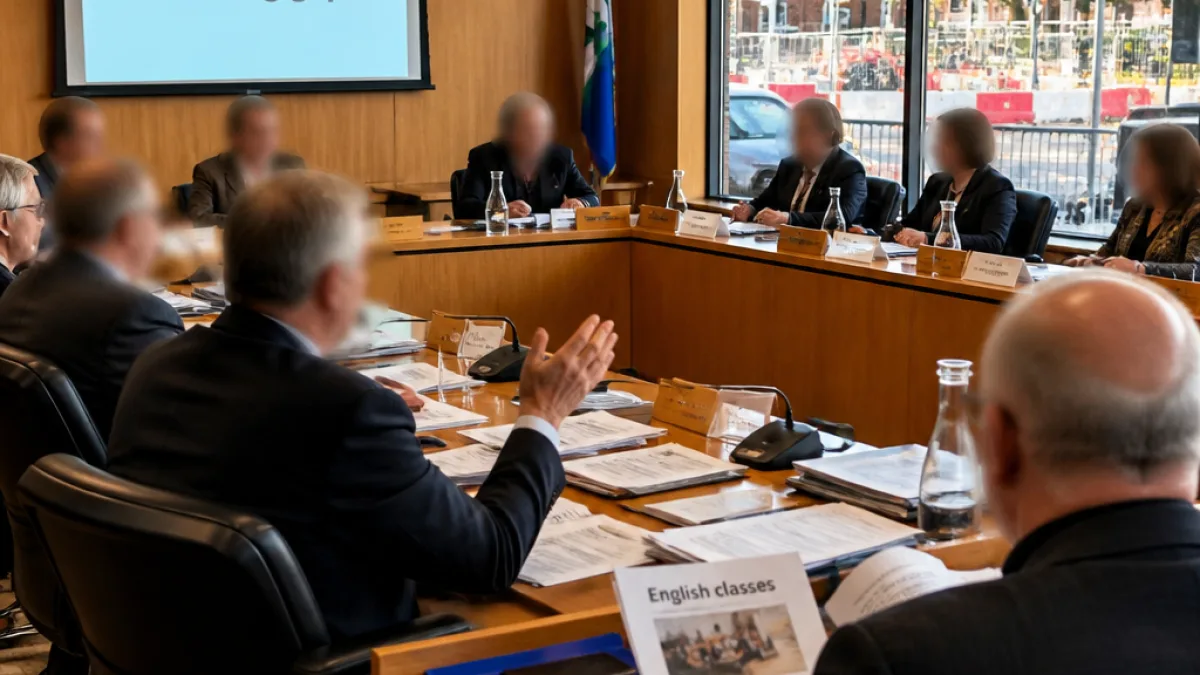
That view, expressed by opposition councillors, set the scene for a heated debate at the most recent full council meeting over a motion to make free English‑language training a universal right for residents with limited English.
Row over language training and who should pay
The Lib Dem motion sought to extend free English classes to all immigrants with limited English, regardless of origin. Opposition members say their own proposal — which they said previously targeted support for Hong Kong families — would have been narrower and included lobbying for the reinstatement of the Government's Adult Skills Fund, which they say was cut last year.
Opposition councillors also unsuccessfully sought to exclude people without recourse to public funds, arguing that support for those individuals is a Home Office responsibility. Lib Dem and Labour councillors, by contrast, insisted the council should fund the training locally.
Allegations of wasted money and delayed projects
Beyond the language debate, opposition councillors highlighted a series of actions they say demonstrate misplaced priorities while core services come under pressure. Examples cited include:
- Commissioning consultations that were subsequently ignored, they say.
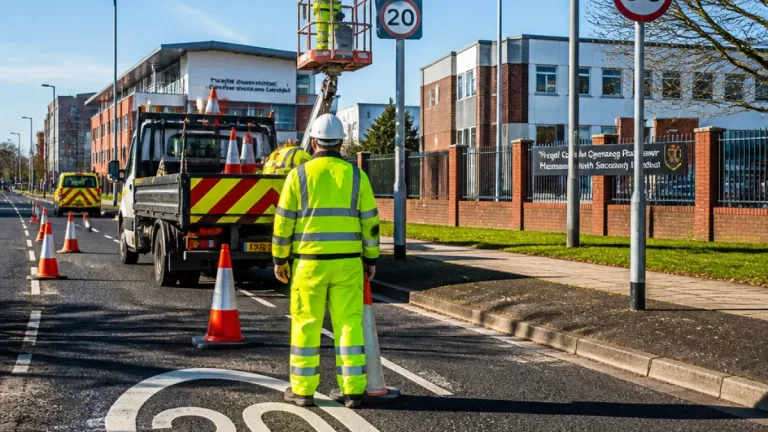
- Introducing 20mph proposals on Woodland Avenue despite a reported 69% resident opposition.
- Removing litter bins only to reinstate them after public backlash.
- Long delays on essential traffic and safety projects, notably the Shinfield Road crossing.
The Shinfield Road crossing was singled out as a project repeatedly dismissed by successive Lib Dem executive members before being accepted as necessary and put into implementation after what the opposition described as a four‑year delay.
| Issue | Opposition concern |
|---|---|
| English‑language provision | Should target need; Government funding should be restored |
| Consultations | Paid for but ignored, creating waste |
| Shinfield Road crossing | Repeatedly delayed before implementation began |
What it means for residents
The opposition argues that, with a multi‑million pound reduction in funding, the council will have to prioritise statutory duties such as social care and safeguarding, and will be unable to sustain discretionary services unless alternative savings or income streams are identified.
Council residents are likely to face difficult choices. Those who value local initiatives such as universal adult education, traffic calming measures or additional public conveniences may find such projects increasingly exposed to cuts if the council adopts the opposition's recommended approach of concentrating on statutory obligations.
At the same time, the administration is defending its approach, arguing that some discretionary services address integration and community cohesion and that local democratic decisions should determine spending priorities. The council has not published a full breakdown within this statement of which services would be reduced or how the £43 million shortfall will be managed.
Councillors from all sides will need to set out clearer financial plans and implications for residents as the funding picture for local government continues to change. For now, the debate highlights the tension between immediate statutory pressures and longer‑term investments in community services that some councillors say are essential for integration and quality of life.
Further scrutiny at council meetings and budget papers will be important for residents wishing to understand precisely how the borough intends to balance its books and which services are likely to be curtailed or retained.