Controversial proposal pits local economic promise against environmental risk
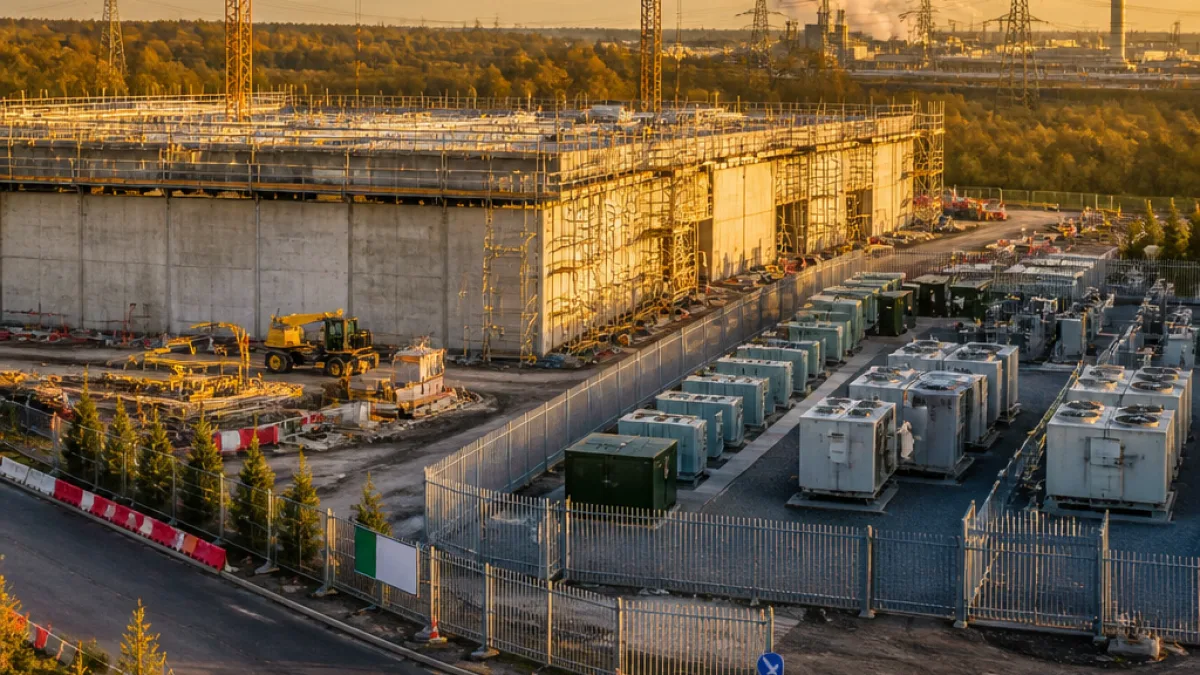
Plans for a large-scale data centre on the Microsoft campus in Thames Valley Park have provoked a debate over how Wokingham Borough Council should weigh potential local benefits against significant environmental and infrastructural challenges. A consortium of consultants is promoting a 72 megawatt facility they say would help secure the future of an underused site and reinforce the area’s digital status, but energy experts and former councillors are urging closer scrutiny.
Developers say the project would bring up to 245 construction jobs, at least 115 permanent roles and more than £200 million in investment. It has been described by its backers as an example of critical national infrastructure that underpins everything from banking and healthcare systems to streaming and cloud services.
Yet the scheme’s projected power demand has prompted alarm. A local energy specialist likened the facility’s draw to a household image familiar to many: running tens of thousands of kettles simultaneously. That comparison is intended to underline the scale of electricity consumption and the implications for local and regional energy systems.
“If the data centre really uses 72 megawatts, that’s twice the peak output of the planned Barkham Solar Farm – like running 20,000 kettles at once,”
The commentary from the former councillor and energy expert also flags the proposal’s current reliance on natural gas. Her concern centres on the carbon footprint such on-site gas generation would create and whether the borough could acquire sufficient evidence to assess long-term climate impacts and local air quality implications.
Questions for councillors and planning officers
Opponents and interrogators of the scheme are calling for more detailed modelling, particularly to account for extreme weather events such as heatwaves when cooling demand spikes. They also want clearer information about the proposed mix of electricity sources, the extent of any on-site generation, and the robustness of plans to reuse waste heat or deliver biodiversity and community benefits.
- Energy source transparency: Will the data centre rely on grid-supplied renewables, on-site gas, or a combination?
- Climate impact: How will potential emissions compare with borough and national targets?
- Local infrastructure: Can local electricity and heat networks absorb the additional load without adverse effects?
Those questions are expected to be raised at a council meeting where elected members will consider the proposal. The intervention from a recognised energy expert has intensified scrutiny on whether councillors have access to sufficient technical advice to make an informed decision on such a complex energy-intensive development.
Economic case and mitigation pledges
Developers have highlighted opportunities to recover waste heat and commit to biodiversity net gain around the site. Such measures are commonly cited to offset environmental footprints, but critics say they do not substitute for robust evidence on emissions, grid impact and long-term sustainability.
| Item | Developer claim / figure |
|---|---|
| Power capacity | 72 MW |
| Construction jobs | Up to 245 |
| Permanent jobs | At least 115 |
| Investment | More than £200m |
For residents and councillors the immediate concerns will include traffic and parking implications, noise from plant and generators, air quality, and the visual impact of any new infrastructure. For climate-conscious observers, the question is whether the borough should be hosting energy-intensive facilities that depend on fossil fuels when national and local strategies push for urgent emissions reductions.
Next steps
The proposal is set to be considered by Wokingham Borough Council in the near term. Officers will need to evaluate planning policy compatibility, the local infrastructure capacity, and the applicants’ environmental assessments. If approved, construction and operation would bring economic benefits; if rejected or revised, the debate is likely to shift to alternative sites or technical mitigation.
The case exposes wider dilemmas facing local authorities in the South East: attracting digital investment and high-value jobs while ensuring developments align with climate commitments and protect local communities.