Council holds firm on flag policy despite cross-party pleas
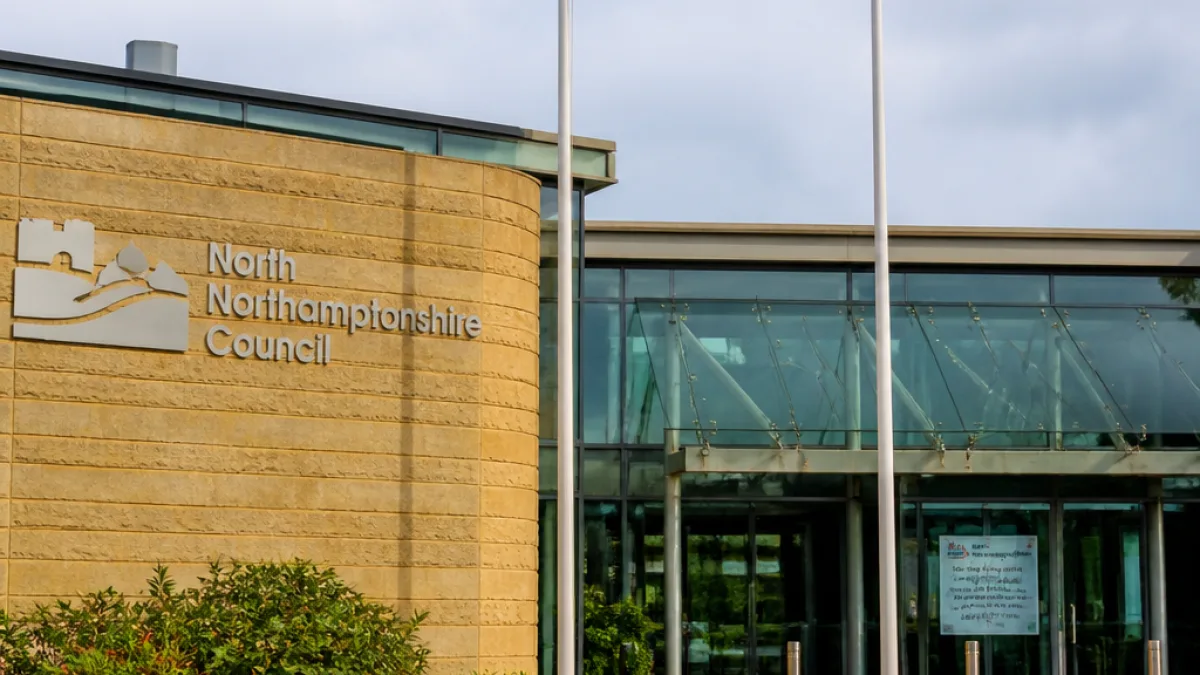
North Northamptonshire Council has declined a request to raise the Ukrainian flag for a single day this summer, reaffirming its stance that non‑UK national flags will not be flown from its buildings. The bid, tabled by the Conservative opposition to mark 24 August, Ukraine’s independence day, was turned down by the Reform UK administration at a full council meeting on Thursday.
The authority introduced a policy in June 2025 ending the display of overseas national flags on civic sites. That decision also encompassed the rainbow flag associated with support for the LGBTQ+ community. In Thursday’s debate, the Conservative group argued for a one‑off exception to show solidarity with Ukraine, a move that won backing from the Greens and calls for flexibility from Labour. The administration, however, said it would not deviate from the agreed rules.
“It is a worthy cause... we should not depart from policy for political requests,” said Reform’s cabinet member for regulatory services, Kirk Harrison.
Conservative group leader Helen Harrison told councillors the motion was not intended as a provocation or a challenge to the current policy, but as a way for parties to unite in support of the Ukrainian people, according to the Local Democracy Reporting Service. Emily Fedorowycz, leading the Green group, signalled support for the Conservatives’ approach, while William Colquhoun for Labour urged the administration to demonstrate “a bit of flexibility and a bit of acceptance of other people within your flag policy”.
What the policy does — and why it matters locally
The council’s position, settled last year, standardises which flags can appear on municipal flagpoles and removes case‑by‑case advocacy for international or community banners. Supporters say that upholding the rule prevents continual political judgement calls about which causes to highlight. Opponents argue that a strict line can appear insensitive in the face of global events or undermine inclusive messages valued by local residents.
At issue in this case was whether a single‑day show of support for a country facing war could be treated as an exceptional circumstance. Reform councillors concluded that moving away from the settled approach for one request would weaken the rationale of consistency that underpins the policy. Backers of the exception countered that a carefully defined, time‑limited gesture would not open the door to unrestricted departures.
How parties lined up
| Party/Role | Stated position |
|---|---|
| Reform UK administration | Maintain policy; no exceptions for non‑UK national flags |
| Conservative opposition | Permit a one‑day display of Ukraine’s flag on 24 August |
| Green Party | Supported Conservative motion |
| Labour | Called for flexibility within the policy |
The discussion revisits the wider debate from June 2025, when the authority decided to stop displaying non‑UK national flags, a move that also ended the flying of the Pride rainbow flag on council sites. Since then, questions have persisted about how the council balances neutral protocol against public expressions of unity or inclusion.
Local impact and next steps
With the administration declining the exception, no change will be made to civic flag displays on 24 August. Community organisations and residents who wish to mark the date will need to do so through their own events or privately flown flags, as the council will not participate through official displays. The council did not indicate any plan to review the policy or propose criteria for future exceptions during the meeting.
For residents seeking clarity, the key points are:
- The current policy, introduced in June 2025, prohibits flying non‑UK national flags from council buildings.
- The request to raise Ukraine’s flag on 24 August was refused to maintain consistency with that policy.
- Flags such as the rainbow (Pride) flag also remain outside the permitted list under the same rules.
As tensions persist between adhering to a fixed protocol and responding to international events or community campaigns, the council’s approach sets a clear precedent: formal exceptions will not be entertained without a wider policy change. Any future shifts would therefore need to come via an updated framework debated and agreed at a council meeting.