Leadership vacuum persists at Civic Centre
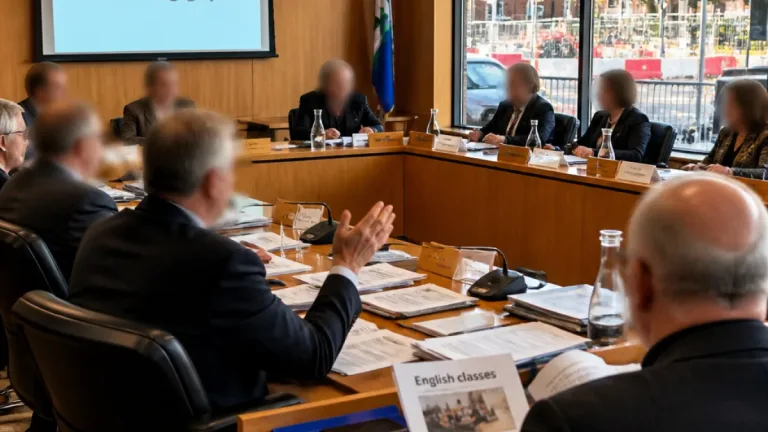
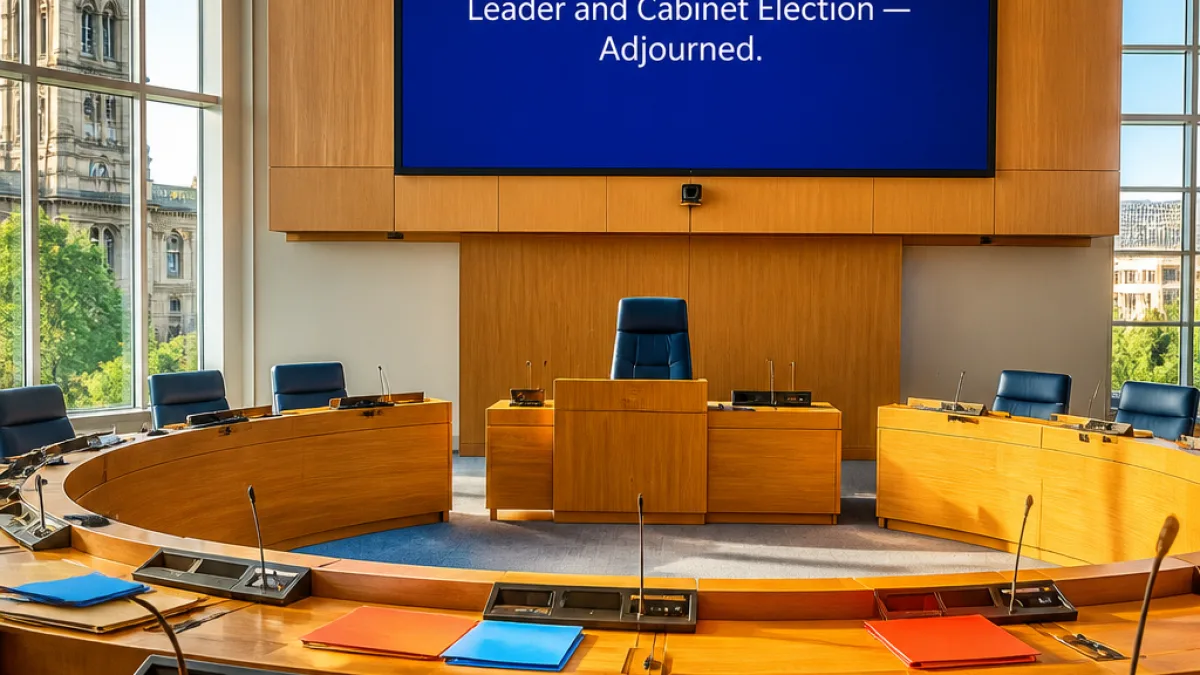
Oldham Council remains without a political leadership team after a third unsuccessful attempt to appoint a leader and cabinet. The Labour group — the largest on the authority and the most recent administration — has signalled it is ready to work more closely with rivals in a bid to end the stalemate.
Oldham Council's Labour group has offered “greater collaboration” with other parties after the authority's third attempt at electing a leader and cabinet failed.
While Labour holds the most seats, it does not have the numbers to command a clear majority. With no agreement emerging at the latest meeting, the council remains in a holding pattern, with senior officers keeping day‑to‑day services running under established delegations until councillors can settle on a leadership arrangement.
What the impasse means for residents
For people across Oldham, bins will still be collected, social care visits carried out, and libraries, leisure and parks kept open. However, the absence of an agreed leader and cabinet can slow or stall decisions that normally require political sign‑off — including medium‑term plans, contract awards above officer thresholds, and policy changes that shape local priorities.
- Service continuity: Council services continue under officer management and existing budgets.
- Decision‑making: New or strategic choices that need political endorsement may be delayed.
- Scrutiny and meetings: Committees can meet, but key executive decisions usually sit with the leader and cabinet once appointed.
In practical terms, the longer the stalemate lasts, the tighter the timetable becomes for routine annual milestones — such as preparing future spending plans or consulting on changes that require cabinet approval. The pressure is as much administrative as political: uncertainty makes it harder for officers to plan and for partners to commit.
How council leadership is chosen
Under the council’s governance arrangements, a majority of councillors must back a proposed leader, who then appoints a cabinet to take executive decisions. In a chamber without a clear majority, parties can reach a formal agreement, form a confidence‑and‑supply understanding, or agree issue‑by‑issue cooperation to keep decisions moving. The latest meeting ended without such an agreement, prompting Labour’s offer to work more collaboratively.
Without speculating on behind‑the‑scenes talks, the situation underscores the dynamics of a council in no overall control, where cross‑party arrangements often decide how quickly normal business can resume. Any pathway forward — whether a minority administration with support from others or a broader partnership — will need sufficient votes in the chamber.
What happens next
Another attempt to elect a leader and appoint a cabinet is expected. Until then, the council operates within its established officer delegations. Residents and local organisations awaiting decisions — from grant approvals to policy sign‑offs — may experience slower timelines while councillors negotiate.
| Item | Current position |
|---|---|
| Leader elected | No (three attempts have failed) |
| Largest group | Labour (without a clear majority) |
| Interim operations | Services continue under officer delegations |
| Political outlook | Labour calls for “greater collaboration” with other parties |
How you can stay informed
Residents can follow published agendas and decision notices via the council’s official channels and attend public meetings where appropriate. Those affected by pending applications or consultations should keep in touch with the relevant council department to understand any revised timelines. Community groups and local businesses may wish to prepare for short‑term uncertainty in decision dates while discussions between groups continue.
Oldham’s political groups now face a choice: find common ground to restore full decision‑making capacity, or risk prolonged drift at a time when local services and finances are already under pressure across the sector. A deal — whatever its shape — would provide the clarity needed for the council to get on with the job residents expect.