Homelessness charities in Salford have offered mixed responses to Prime Minister Andy Burnham’s national promise to end rough sleeping, announced alongside a fresh funding package.
New funding and familiar ambitions
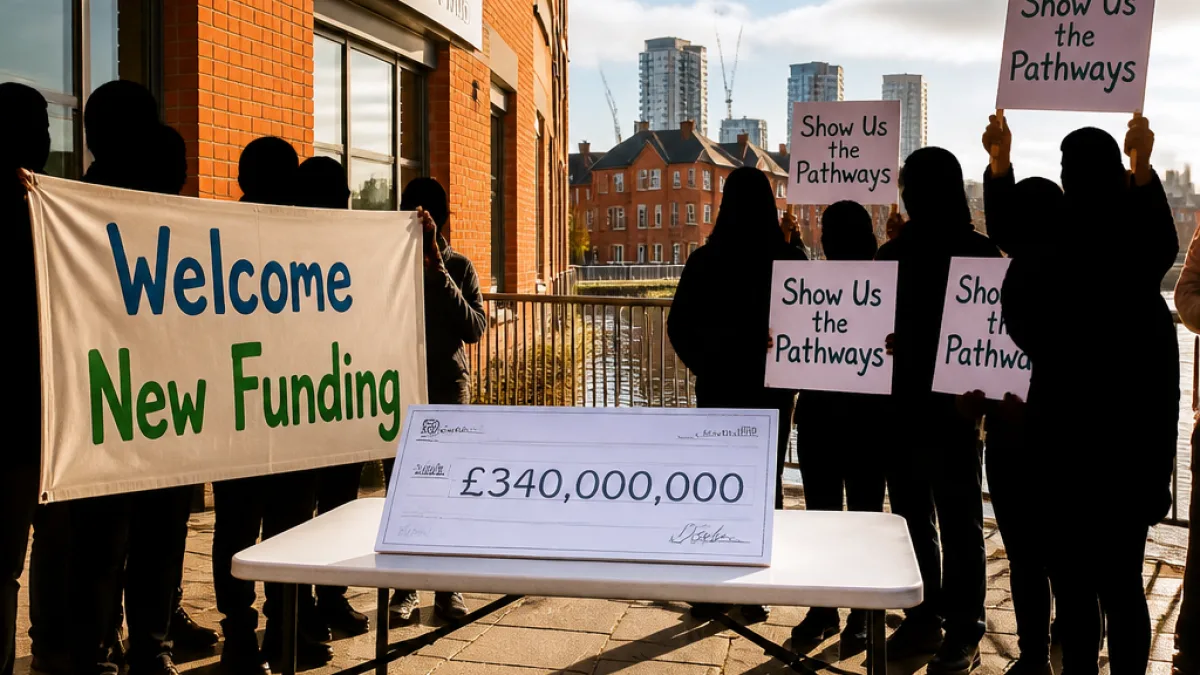
Mr Burnham told the nation this week the government will provide an additional £340 million to tackle homelessness on top of the £3.6 billion already earmarked for the National Plan to End Homelessness in December. The pledge formed a key part of his first address from Downing Street.
Local charities welcome but cautious
Salford Loaves and Fishes, the Pendleton-based charity that supports people facing homelessness and vulnerability, described the announcement as an achievable aim. Chief executive Jenni Smith said Burnham’s experience gives him insight into the barriers people face when trying to move off the streets.
“His pledge feels more doable than similar promises made by other politicians because he has a strong understanding of how the current system operates and where it falls short.”
The charity pointed to Burnham’s personal record since becoming Mayor of Greater Manchester in 2017, including his decision to donate 15 per cent of his mayoral salary to homelessness initiatives and his intention to give the same proportion from his MP’s pay for Makerfield to local charities.
Scepticism remains over deliverability
Not all groups shared that optimism. Some organisations serving Salford and the wider Greater Manchester area noted that the homelessness situation deteriorated during Burnham’s mayoralty and argued that existing routes off the streets are not fit for purpose. Critics question whether national-scale targets can be met without significant changes to local systems and services.
- Funding announced: £340m additional, plus £3.6bn from the National Plan.
- Local endorsement: Salford Loaves and Fishes welcomed the pledge as practical.
- Concerns: Some charities say pathways to rehousing remain ineffective.
What this means for Salford
For residents and frontline services in Salford, the announcement raises immediate questions about how new money will be allocated and whether it will strengthen local accommodation pathways, support services and prevention work. Local charities will be watching for clear commitments on funding distribution, timescales and the practical measures that will be used to move people from rough sleeping into stable living arrangements.
As the national policy is worked into local plans, Salford organisations say they will press for transparent, accountable use of the cash and for any new approach to be tested against the realities faced by people sleeping rough in the city.