New estimates from the Resolution Foundation have warned that the Government’s recent cost-of-living measures have substantially eroded the fiscal margin available to the Chancellor, reducing what the think tank calls fiscal headroom to as little as £8 billion.
Where the pressure has come from
The analysis comes after Andy Burnham took office as Prime Minister and unveiled a set of policies he described as delivering “breathing room” for households. The package includes changes intended to lessen energy bills, reduce bus fares and cut business rates for pubs, clubs and live music venues.
According to the Resolution Foundation, the pledges announced this week will cost over £2 billion in 2029/30. The group says the Government’s available fiscal headroom has fallen from approximately £23.6 billion in early March — a figure reached before additional costs tied to the conflict in Iran were reflected — to roughly £8 billion now.
Key measures and their funding
The announcements include:
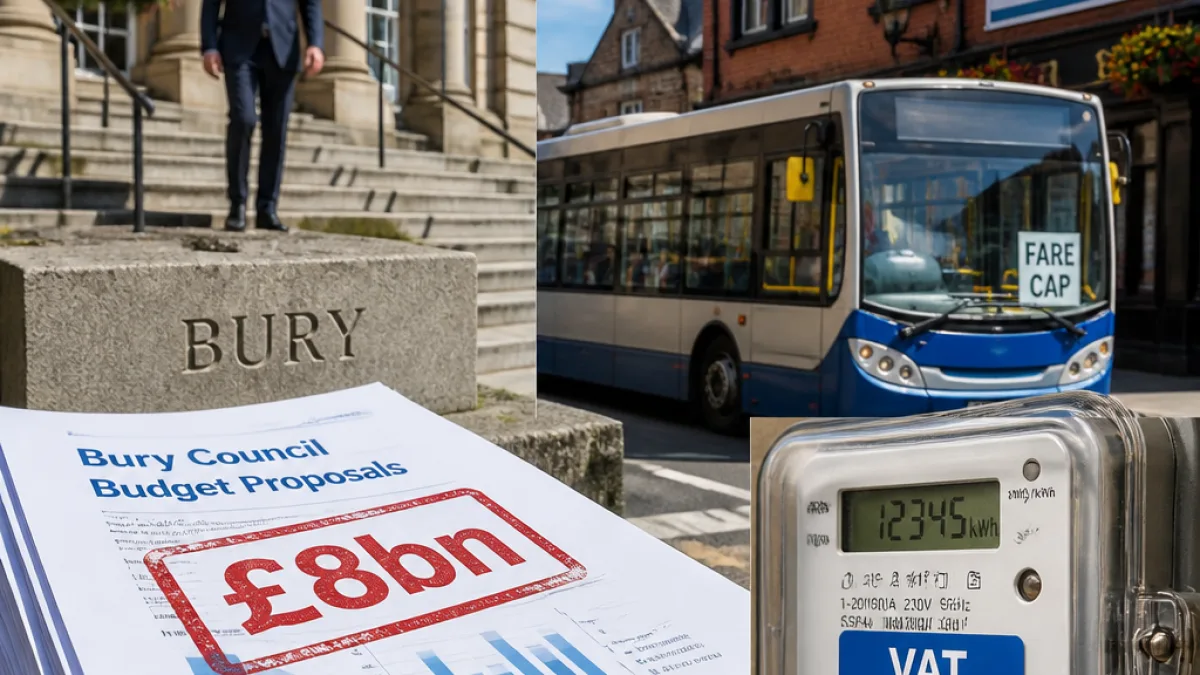
- Removing VAT from electricity bills in England, Scotland and Wales from 1 October — Government estimates suggest this will cost about £850 million in 2026-27.
- Cutting the standard bus fare cap from £3 to £2 throughout 2027 — funded in part by converting international climate grants into loans and departmental savings.
- Reducing business rates for pubs, clubs and live music venues by 20% from April next year — a measure expected to cost around £100 million.
Officials have outlined the principal funding moves the Prime Minister said would meet these costs. For example, the VAT cut on electricity is to be paid for by cancelling the Government’s digital ID programme, which had been costed at roughly £1.8 billion over three years. The bus-fare measure is to be financed in part by altering the way international climate support is delivered — turning some grants into loans — raising about £400 million, alongside savings of £54 million within the Department for Energy Security and Net Zero.
| Measure | Estimated cost / saving |
|---|---|
| VAT removal from electricity (2026-27) | £850m |
| Digital ID programme (three years) | £1.8bn (cancelled) |
| Bus fare cap reduction funding | £400m (loans) + £54m savings |
| Pub business rates cut | £100m |
Think tank concerns and what they mean
“The funding debate has focused on both the flimsy detail of where the money is coming from, and the ambiguity about whether the measures are permanent,”
said Ruth Curtice, chief executive of the Resolution Foundation. The think tank’s view is that the lack of clarity over permanent versus temporary measures and the relative paucity of identified savings leave the Chancellor with difficult choices.
In plain terms, the Foundation argues that unless new resources are identified within the budget, or existing commitments are rethought, the Government may have to reverse parts of its package. The think tank suggested one possible option would be raising energy bills by around 5% — a politically sensitive alternative that would run counter to the stated objective of easing costs for households.
Local implications for Bury and the borough
For residents in Bury, the national debate matters at the street level. Measures directed at household energy costs and public transport affect council budgets, demand for local services and the operating environment for venues and small businesses. If central funding is pared back to shore up national finances, local authorities here could face renewed pressure to find savings or reprioritise spending.
Wherever the Government ultimately finds the money, the Resolution Foundation’s estimate underlines that each announcement carries trade-offs. For voters and civic leaders in Bury, the immediate questions are practical: which measures are temporary, which are permanent, and what that means for household bills and local public services in the months and years ahead.
As the new Prime Minister and Chancellor prepare the next budget-level decisions, ministers will be pressed to provide fuller detail on the fiscal arithmetic underpinning their pledges and the likely impacts on public spending priorities.