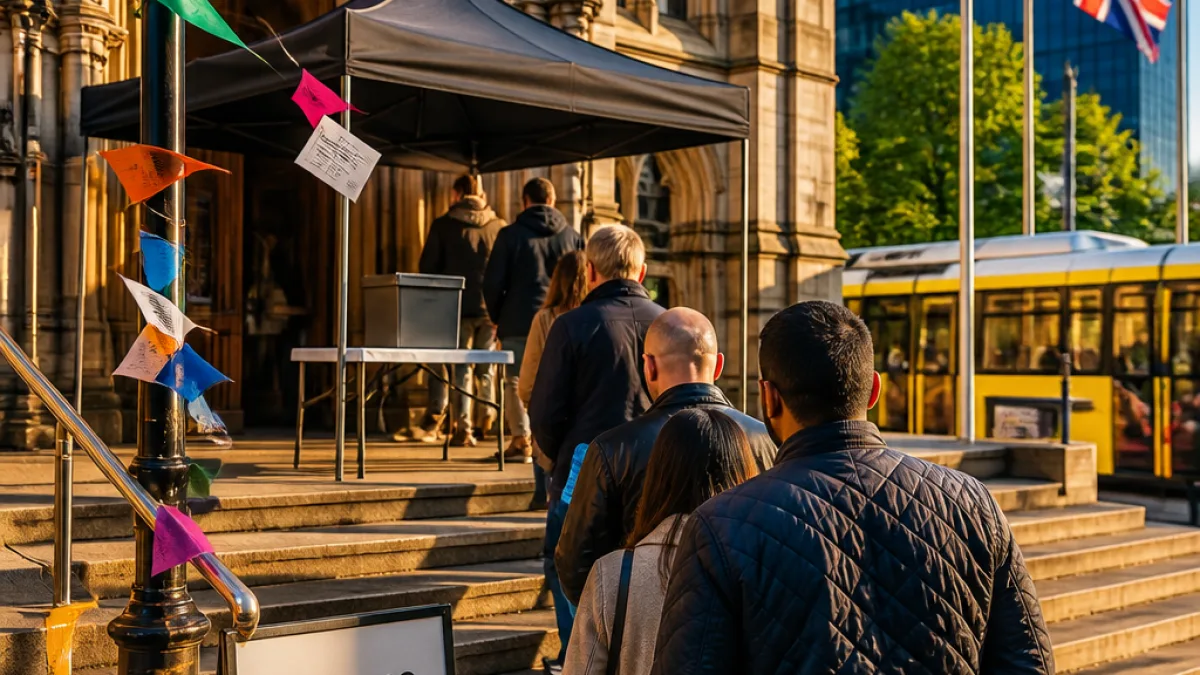
Bev Craig has been elected as the new Mayor of Greater Manchester in a result that places a long‑standing Manchester local leader at the helm of the city‑region. The 41‑year‑old, who has served as leader of Manchester City Council since December 2021 and previously as deputy mayor with responsibility for the economy, business and “inclusive growth”, won the by‑election held on 30 July 2026.
Local experience and a clear set of priorities
Craig campaigned on a platform aimed at easing the pressure facing households and businesses across Greater Manchester. Her stated priorities include tackling the cost‑of‑living, reviving declining town centres, building more affordable homes and reducing bus fares. Labour highlighted her record attracting international business and overseeing affordable housing projects in the city region when announcing her candidacy.
- First female Mayor of Greater Manchester.
- Previously leader of Manchester City Council, succeeding Sir Richard Leese in December 2021.
- Former deputy mayor with a portfolio covering the economy, business and inclusive growth.
- Voter turnout for the by‑election was 25.14%, the lowest in the mayoralty's history.
Background and significance for Manchester
Born in Northern Ireland and having moved to Greater Manchester at 18, Craig has emphasised the city‑region’s historic role in social and industrial reform. Her election marks two notable firsts for the post: she is the first woman elected to the Greater Manchester mayoralty, and she has previously been the first LGBT leader of Manchester City Council.
“Greater Manchester is a special place - from the industrial revolution, the trade union and cooperative movements and the suffragettes - this place has always fought for progress,”
That sense of place underpinned her campaign messaging: she frames her mayoralty as a continuation of efforts to ensure the benefits of regional economic growth are widely shared.
Immediate challenges and local consequences
Craig takes office amid persistent pressures for household budgets and strained town centres adapting to changing retail patterns. As mayor she will be expected to work with the ten metropolitan boroughs, transport authorities and government to deliver on promises such as cheaper bus travel and new affordable housing. Her previous role overseeing economic development gives her familiarity with business attraction and regional investment — areas that will be central to attempts to revive high streets and secure jobs locally.
| Fact | Detail |
|---|---|
| Age | 41 |
| Turnout | 25.14% (lowest for the mayoralty) |
| Previous roles | Leader of Manchester City Council (since Dec 2021); deputy mayor with economy/business portfolio |
Local leaders and councils across Manchester will now look to the new mayor to set concrete timetables and funding routes for these priorities. Practical measures such as bus fare reductions or new affordable housing schemes will depend on negotiations across the region’s institutions and with central government. The low turnout also raises questions for city‑region democratic engagement; re‑energising public participation may form part of the political agenda going forward.
Craig’s election consolidates a succession of Manchester figures in regional leadership roles and signals continuity in Labour stewardship of the city‑region. How her administration translates broad pledges into deliverable policies will determine the immediate impact on Manchester’s high streets, transport and household finances.