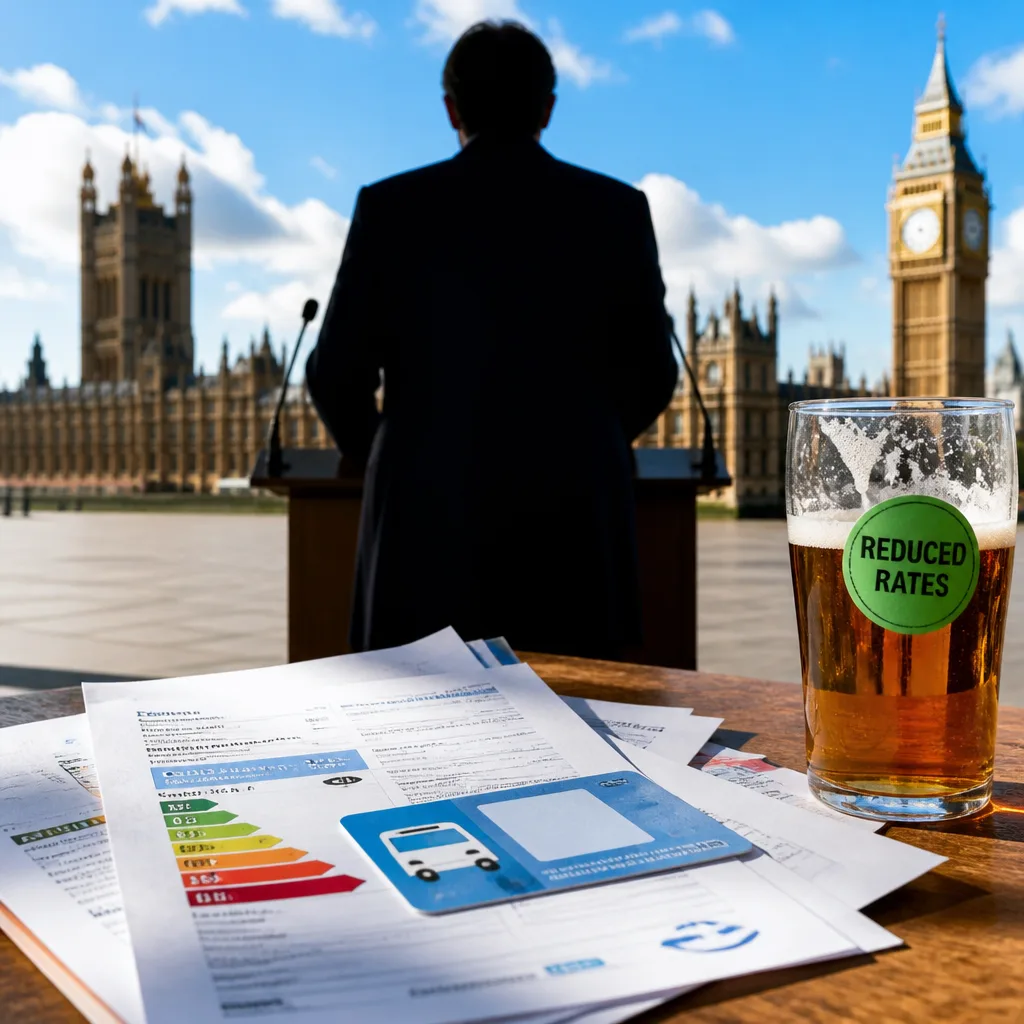
The new prime minister has begun his tenure by placing the cost of living at the centre of his agenda, unveiling a package of measures aimed at easing pressure on households as public mood registers deep pessimism, according to an Ipsos assessment of his first week.
Policy focus and political calculation
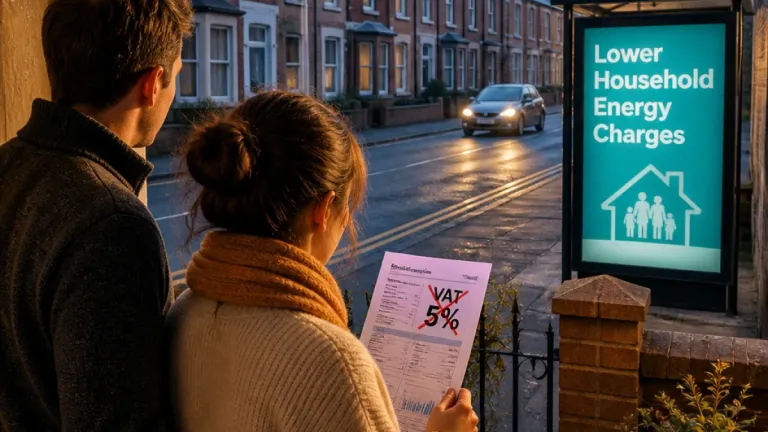
Ministers this week announced steps including a plan to remove VAT from electricity bills, a cap on bus fares and a reduction in certain business rates designed to support pubs and the hospitality sector. The moves, Ipsos argues, are intended to demonstrate that the government understands the day-to-day pressures on ordinary families — an imperative the pollster calls likely to shape the course of the prime minister’s time in office.
That emphasis reflects long-term trends captured by Ipsos. Their report shows a marked decline in public satisfaction with living standards: just 53% of people say they are satisfied with their standard of living today, compared with 72% in 1989. For a government seeking mandate and durability, early impressions matter: previous administrations saw popularity slide quickly after an initially positive reception.
Lessons from recent premierships
Ipsos draws a cautionary comparison with the early months of the last government. One prime minister registered a net favourability of +7 at the outset but fell to -26 within a few months as controversies and policy disputes altered public perceptions. The message for the current incumbency is clear: initial clarity and responsiveness are crucial to avoid similar reversals.
“Any PM promising change must persuade voters he ‘gets it’.”
Public mood and political risk
The pollster also highlights a broadly pessimistic national outlook: 83% of respondents believe Britain is heading in the wrong direction, a backdrop that raises the stakes for immediate policy delivery. With economic anxiety prominent in recent local election results, the government’s early measures will be closely scrutinised for their reach and effectiveness.
- Short-term measures announced to reduce household energy and transport costs.
- Long-term political risk if early pledges do not translate into tangible relief.
- Public sentiment remains fragile, with satisfaction at a decades-low level.
| Measure | Ipsos figure |
|---|---|
| Satisfaction with standard of living (today) | 53% |
| Satisfaction with standard of living (1989) | 72% |
| Initial net favourability cited | +7 → -26 |
| Proportion pessimistic about direction of country | 83% |
The political test ahead is whether these early interventions will sufficiently blunt household anxieties and establish credibility for the prime minister’s broader programme. Ipsos’s analysis underlines that the opening weeks can set a tone that is hard to alter: delivering visible benefit to voters quickly may be the clearest route to securing lasting support.