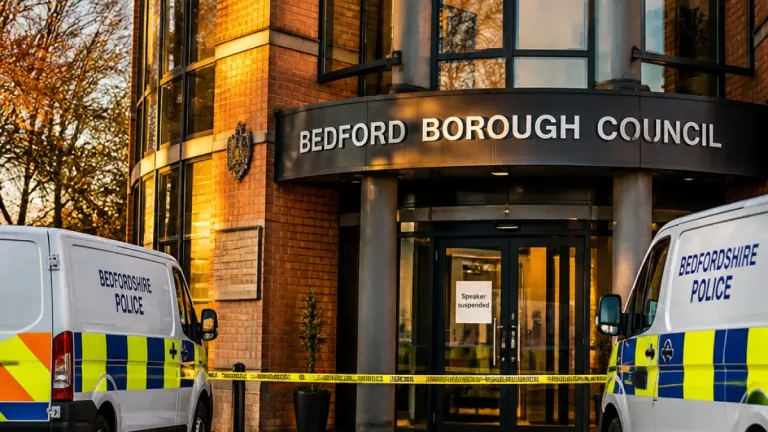
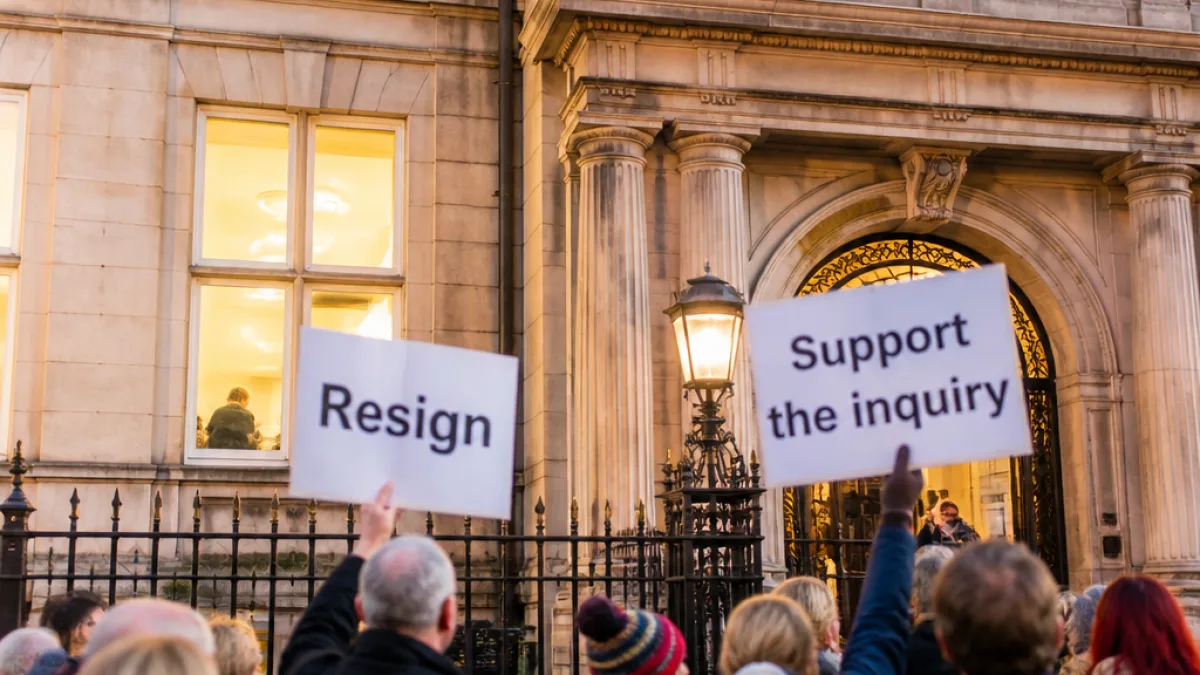
Calls are mounting for a Reform UK cabinet member to step down after an outburst during a full council debate on a motion backing the national inquiry into child sexual exploitation. The incident, described by one councillor as “the most appalling tirade ever heard in a Council chamber”, has prompted demands for the member’s resignation or removal from office. The councillor has since apologised, admitting he overstepped the line, but as of publication there has been no change in his position.
Row erupts over motion to support national inquiry
The confrontation occurred during discussion of a motion seeking proper recognition and support for the ongoing national examination into failures to safeguard victims of grooming gangs. An amendment from the Progressive Lancashire group drew an angry response from the Reform UK cabinet member. According to contemporaneous reporting, no evidence was provided to substantiate the accusations voiced during the exchange, and the councillor later issued a formal apology.
“The most appalling tirade ever heard in a Council chamber.”
In the fallout, opposition members and campaigners demanded the councillor resign or be removed from his cabinet role. That has not happened. The episode has intensified scrutiny of standards in public office and behaviour at meetings, particularly when addressing sensitive matters related to child safeguarding.
Accountability and conduct in the council chamber
The debate has surfaced wider concerns about the tone of council proceedings and the safeguards in place when discussing topics that directly affect survivors of abuse. While councils operate under a code of conduct and rules of debate, the incident underlines the pressures on elected members to maintain civility, ensure evidence-based contributions and avoid prejudicing inquiries or retraumatising victims.
- What happened: A heated response from a Reform UK cabinet member to an amendment on a motion about the national child sexual exploitation inquiry.
- What followed: Broad criticism, a subsequent apology from the councillor acknowledging he went too far, and calls for him to step down or be removed.
- Status now: No resignation at the time of writing; further political and public scrutiny likely.
Context: Lancashire’s reorganisation and political temperature
The incident comes as Lancashire faces sweeping changes to its local government map. The government has signalled support for splitting Lancashire into four new council areas, a move presented as better reflecting the county’s varied communities and priorities. In a letter to local leaders, Local Government Secretary Steve Reed pointed to identities rooted in post-industrial towns, rural and market areas, and the coast. He argued these geographies would be more recognisable to residents and allow distinct economic and social characteristics to shape local priorities.
| Proposed area | Identity highlighted |
|---|---|
| Pennine Lancashire | Post-industrial towns |
| North Lancashire | Rural and market towns |
| South Lancashire | Rural and market towns |
| Fylde Coast | Coastal communities |
As already divided political opinion hardens around those plans, tensions are likely to spill into council business on a range of policy areas — including the governance and resourcing of safeguarding work. That makes the conduct of debates, and the clarity of motions linked to national inquiries, all the more consequential for public confidence.
Safeguarding focus must remain central
Lancashire’s councils and partners have long worked alongside national agencies to confront child sexual exploitation, improve data sharing, and strengthen victim support. While individual cases and operational matters sit with the police and specialist services, councils set the tone through public commitments, scrutiny, and resourcing. Ensuring motions are treated respectfully and on the basis of evidence is critical to avoiding political point‑scoring at the expense of survivors’ voices.
Residents concerned by the episode will look for clear next steps: whether the group leaders seek further action through internal processes, whether any formal complaints are lodged under the members’ code, and how the council intends to handle future debates on sensitive safeguarding matters. The councillor’s apology acknowledges the breach of standards; accountability now rests with political leadership to determine if further consequences are warranted.
What residents can expect next
Meeting agendas and minutes typically record motions, amendments and apologies. Residents can monitor updates via official council publications and webcasts of future meetings, where available. As Lancashire navigates potential governance changes and continuing safeguarding responsibilities, sustained public scrutiny will be essential to ensure debates remain focused on the welfare of victims and the delivery of effective local services.
Steve Reed’s letter emphasised that new councils should be “more clearly rooted in the distinct local identities across the area” and set priorities that reflect those differences. How that vision translates into safeguarding oversight — in whichever structures are ultimately approved — will be a key test of trust.