An inquest has concluded that a 28-year-old primary school teacher would have survived had clinicians acted on the possibility of a blood clot. The assistant coroner found that a failure to treat a suspected deep vein thrombosis (DVT) and pulmonary embolism led to a fatal cardiac arrest at Queen Elizabeth Hospital in Greenwich on 12 January 2023.
Sequence of events and coroner's conclusion
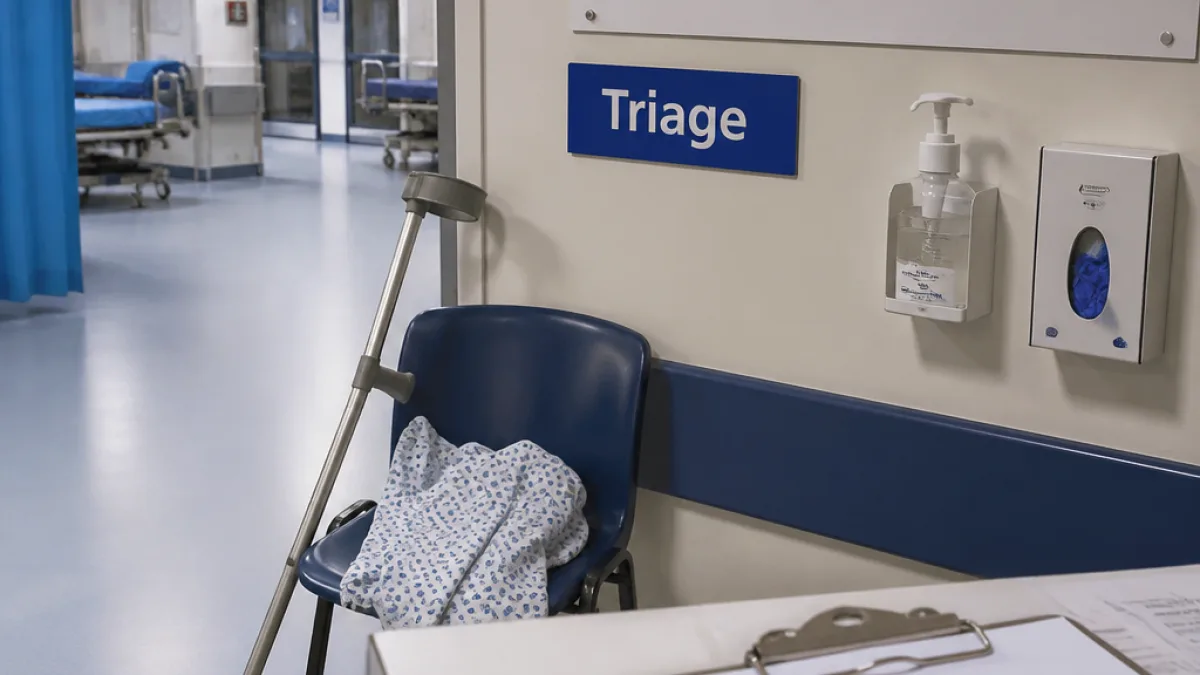
Dena Collins, who lived in Eltham in south London, attended her GP three days before her death complaining of leg pain and was diagnosed with muscular pain and reassured. On 11 January she went to the Queen Elizabeth Hospital with four days of leg pain, fever and diarrhoea, walking with a crutch and limping because of the pain.
Although the possibility of a blood clot was recorded at triage and a D-dimer test — used to identify clots — returned a positive result, the coroner concluded that treatment was not delivered.
"Had the suspicion of a DVT and a pulmonary embolism been acted upon and a treatment dose had been given – the fatal cardiac arrest would’ve been avoided," said assistant coroner Linda Jacobs.
The post-mortem established that Miss Collins died from a DVT and a pulmonary embolism which caused a heart attack. The coroner added that, on the balance of probabilities, timely treatment with anticoagulants would have prevented her death.
Family reaction and wider message
After the hearing Miss Collins's sister urged people to be vigilant about symptoms and to press for further investigation when they feel something is wrong. The family have highlighted the need for patients to "trust your body" and to advocate for themselves when unwell.
- Patient: Dena Collins, 28, from Eltham
- Date of death: 12 January 2023
- Cause: Deep vein thrombosis and pulmonary embolism leading to cardiac arrest
| Date | Event |
|---|---|
| Early January 2023 | Leg pain; GP visit — diagnosed as muscular pain |
| 11 January 2023 | Attended Queen Elizabeth Hospital with leg pain, fever and diarrhoea; D-dimer positive |
| 12 January 2023 | Died at Queen Elizabeth Hospital, Greenwich |
The coroner's ruling places emphasis on the importance of recognising and treating venous thromboembolism, particularly when clinical suspicion exists alongside supporting test results. It also raises questions about clinical decision-making in both primary care and emergency settings.
For readers, the case is a reminder to seek clarification if symptoms persist or worsen and to ask clinicians directly about the possibility of blood clots when signs such as unexplained leg pain, swelling, shortness of breath or chest pain occur. Although the inquest related to events in London, the findings are relevant to anyone using NHS services locally and nationally.
The inquest concluded at Inner South London Coroner's Court on what would have been Miss Collins's 32nd birthday.