The Nottingham University Hospitals NHS Trust (NUH) has stood down a critical incident that was declared on Tuesday after an unprecedented surge in emergency department activity.
Why the alert was raised
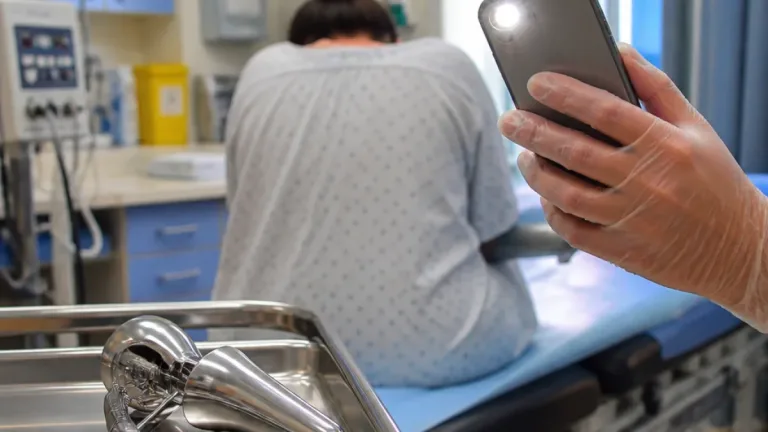
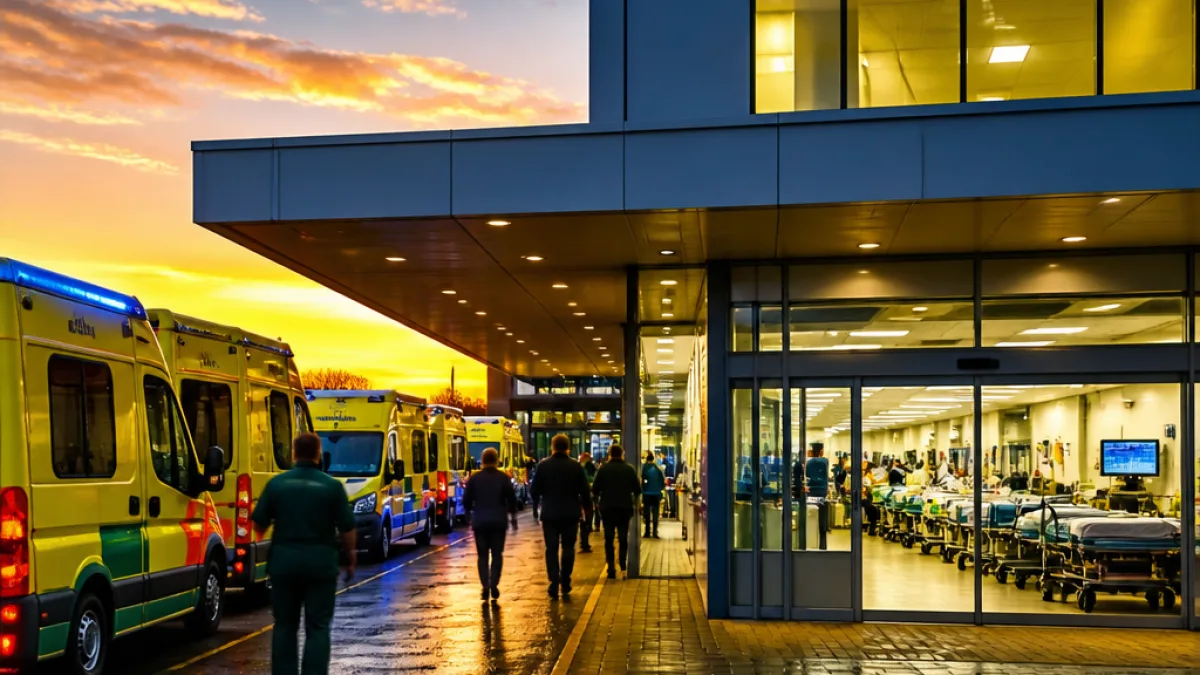
The trust, which runs the Queen's Medical Centre and Nottingham City Hospital, said the declaration followed some of the highest numbers of A&E attendances recorded across a two‑week period. The sustained demand left staff stretched and created what the trust described as an "unacceptable risk of harm" for patients because of lengthy waits and crowded corridors.
| Measure | Reported figure |
|---|---|
| Patients in A&E at peak | More than 200 |
| Patients waiting to be seen | More than 100 |
| Patients medically fit for discharge but still in hospital | More than 200 (equivalent to almost eight wards) |
Which services were affected
NUH said the surge particularly affected the cardiology pathway, with a high number of cardiology patients requiring prolonged intensive support. Resources were diverted to respond to those needs, which compounded delays across other emergency services. At the height of the situation more than 200 people were inside the trust's A&E facilities and over 100 were waiting to be assessed.
- Cardiology caseload placed heavy demand on critical-care capacity
- A&E resuscitation and major trauma services were impacted but later restored
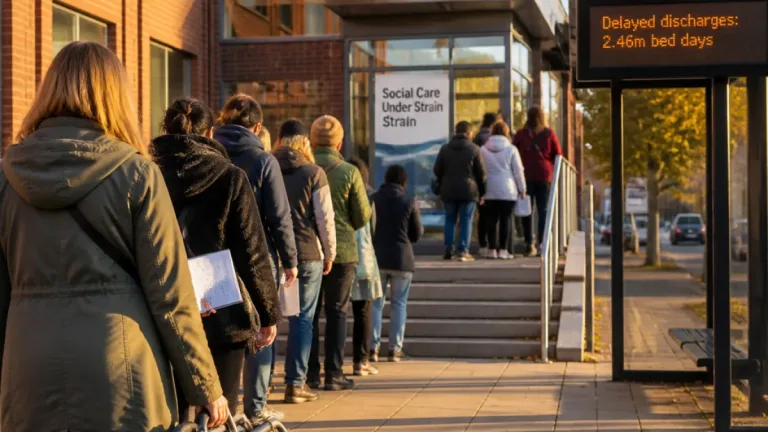
- Hospital beds were occupied by patients who were medically fit to leave, limiting flow
Stand‑down and continuing pressures
By Wednesday the trust reported a significant reduction in the number of patients waiting to be assessed in emergency departments, enabling it to rescind the critical incident. NUH said it had restored A&E Resuscitation and Major Trauma services and the cardiology admission pathway.
“We would like to thank our staff for working incredibly hard to care for our patients. It’s been a real team effort to help alleviate those pressures as much as they can. We also want to thank our partners for their support.”
The comment, from Nottingham University Hospitals' Chief Nurse, highlighted the contribution of clinical teams and partner organisations during the episode. NUH stressed that although the immediate emergency has passed, hospitals remain busy and patients continue to face long waits in some areas.
Trust leaders said patient safety will remain their priority as they work on measures to improve the experience of both patients and staff. No further detail was given in the trust statement about specific actions to accelerate discharges or expand capacity, but the figures released underline a recurring challenge for local hospitals: delayed discharges and concentrated specialist caseloads can rapidly reduce the flexibility needed to cope with sudden attendance spikes.
Patients and visitors are advised to check the trust's website and local NHS guidance before attending A&E where possible, and to consider alternative services such as GP practices, urgent treatment centres or NHS 111 for non-life‑threatening conditions.
InfoRadar will continue to monitor developments and report any further updates from NUH or local health partners.