The NHS body responsible for mental health services across Nottinghamshire, based at Highbury Hospital in Bulwell, has been challenged over whether it has the funding and capacity to implement changes following the Nottingham attacks of June 2023.
Background and public scrutiny
The trust has been under intense examination since the fatal incidents on 13 June 2023, when Valdo Calocane, who had been diagnosed with paranoid schizophrenia in 2020 and discharged from the trust’s care months earlier, murdered three people. The victims were named as Barnaby Webber, Grace O’Malley-Kumar and Ian Coates. The attacks also left others injured when the assailant used a van following the killings.
Northumbria Police, acting on behalf of Nottinghamshire Police, has told the trust it is the subject of a criminal investigation into potential corporate manslaughter. The trust was further examined at a public inquiry earlier this year.
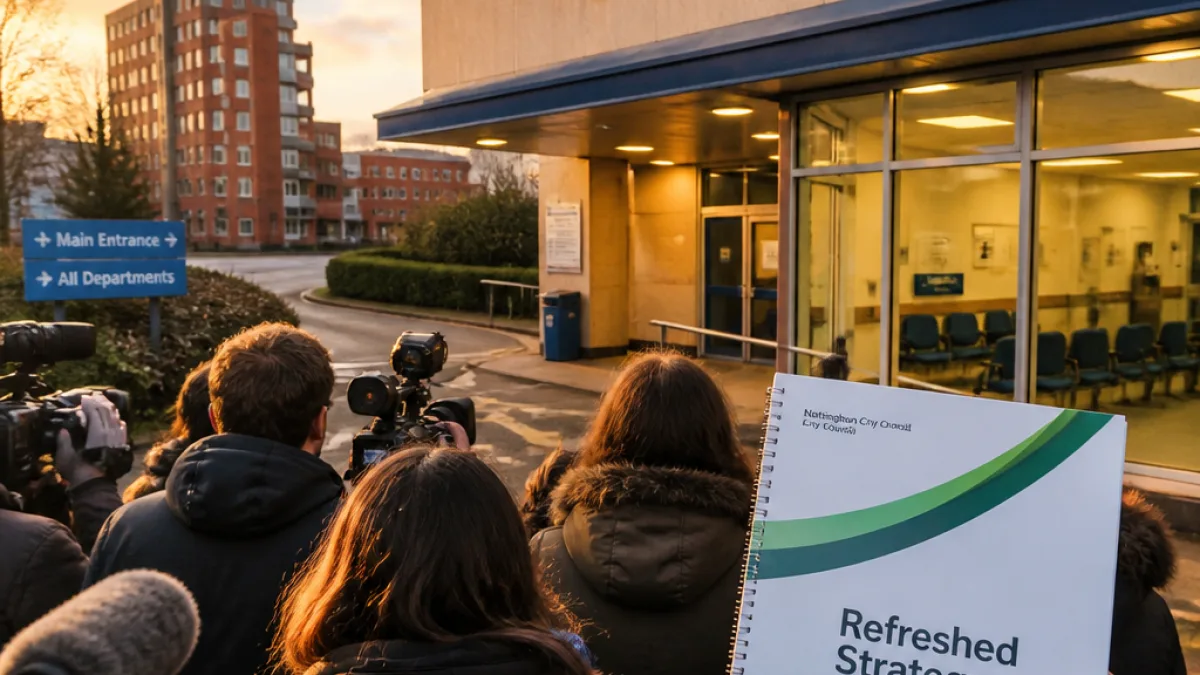
Refreshed strategy and councillors’ concerns
In response to criticism, the trust has drawn up a refreshed strategy which it says aims to put patients first by improving joined-up care and to create a workplace where staff feel safer and supported through what it calls compassionate leadership. At a Nottingham City Council health meeting on 23 July, trust representatives outlined those intentions to councillors.
Craig Sharples, the trust’s chief of staff, told the meeting the strategy was focused on listening to both colleagues and patients. When pressed by councillors about how cultural change would be realised and whether the organisation had the means to deliver its proposals, they were given no new financial commitments.
“Do you actually have the resources and money to actually deliver this strategy effectively?”
— Coun Nick Raine (Lab)
Mr Sharples reiterated the trust’s acknowledgement of the tragedy and its intention to respond to the concerns raised.
- Timeline: Diagnosis of paranoid schizophrenia in 2020; discharge prior to June 2023 attacks.
- Consequences: Three people killed; criminal investigation into the trust for potential corporate manslaughter.
- Trust response: Refreshed strategy focusing on patient-centred care and staff support.
Local implications and unanswered questions
For Nottingham residents the issue raises immediate questions about safety, the robustness of community mental health services and the accountability of providers. The trust covers a wide geographic area and its services are integral to crisis prevention and ongoing care for people with severe mental illness.
Councillors are seeking clarity not only on the steps the trust intends to take but on whether it has the financial and staffing resources to turn strategy into effective action. The absence of clear funding commitments at the council meeting leaves concern about whether reforms will be implemented swiftly and sustainably.
There are also broader implications for governance. The criminal investigation notified to the trust by Northumbria Police—conducted on behalf of Nottinghamshire Police—adds legal scrutiny to the operational and cultural questions already raised at the public inquiry. Any prosecutorial findings would carry significant weight for the trust’s leadership, its future operations and public confidence.
| Issue | Current status |
|---|---|
| Investigation | Criminal probe into potential corporate manslaughter notified |
| Service change | Refreshed strategy published; details on resourcing not provided at meeting |
| Public oversight | Scrutiny at public inquiry and council health meeting |
As the trust moves to implement changes, local people, elected representatives and victims’ families will be watching for concrete commitments on staffing levels, investment in community teams, and independent oversight to ensure lessons from this tragedy are applied. Until detailed plans and funding are clarified, questions about the trust’s ability to deliver meaningful reform will remain central to civic debate in Nottingham.