Local councillors have warned that the repeated discovery of sheep carcasses in watercourses across parts of Mid Ulster is presenting an environmental concern and requires immediate co‑ordination between agencies and the council.
Concerns raised at council environment meeting
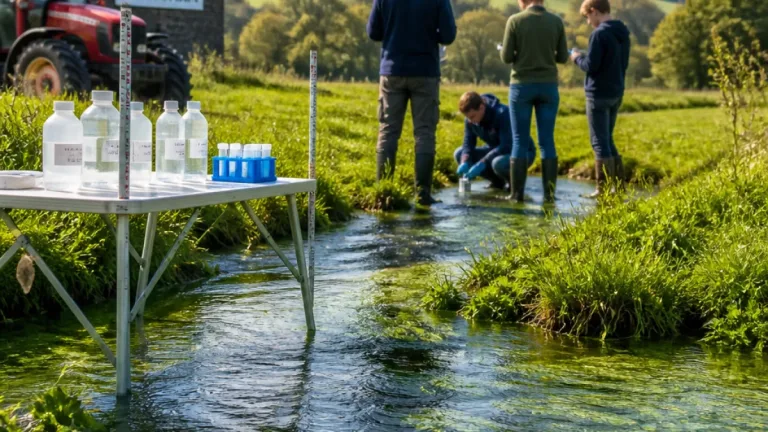
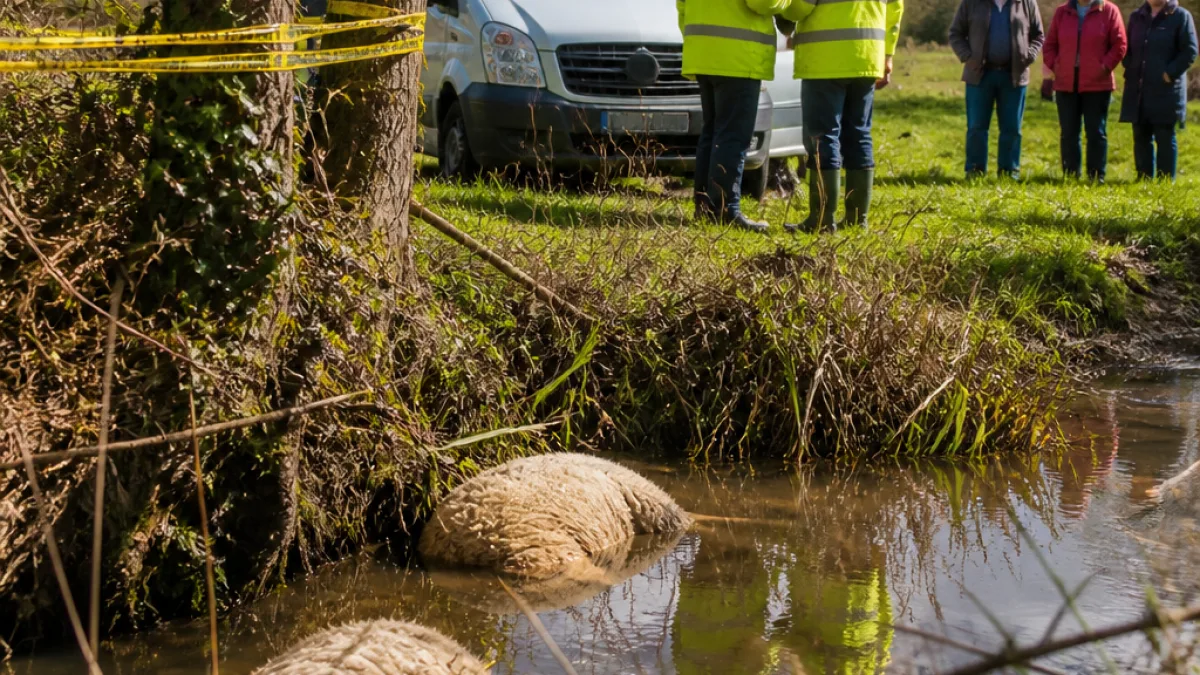
At the Mid Ulster District Council Environment Committee meeting on 8 July, Independent Cllr Kevin McElvogue described the problem as an "ongoing issue", highlighting reports from the Clogher Valley and around Ballygawley. He said several fully grown animals had been observed in river channels over a number of weeks and expressed alarm at the potential for carcasses to enter Lough Neagh and affect water quality.
“I just want to raise the dumping of dead animals in the Clogher Valley which is an ongoing issue - especially this year.”
Council officers indicated that correspondence from the Department of Agriculture, Environment and Rural Affairs (DAERA) sets out which bodies hold responsibilities in such situations. The council’s Assistant Director of Environmental Services, Mark McAdoo, said that this material is to be circulated to members and that further discussion would be possible at the meeting being arranged with the Rivers Agency.
Local impact and practical questions
Cllr McElvogue told members the carcasses he referred to were not lambs but adult sheep. He said some animals had been lying in a river for several weeks and that a number had become stuck in a blockage and subsequently decomposed. That situation has raised questions among councillors and residents about who is responsible for removal and what enforcement action can be taken where carcasses are discovered in watercourses or on private land.
- Public‑health risk: Rotting carcasses in waterways risk contaminating downstream supplies and can be a pathogen source.
- Environmental harm: Decomposition can deplete oxygen in water and harm aquatic life.
- Responsibility and response: Councillors seek clarity on which agency should undertake removals and who enforces disposal requirements.
Records of reported sightings
Councillors gave several accounts of recent sightings and incidents, noting repeated finds at particular locations. The council has agreed to pursue a meeting with the Rivers Agency to clarify action.
| Location | Reported detail |
|---|---|
| Clogher Valley | Multiple carcasses removed previously by the council |
| Ballygawley (river) | Carcasses observed for several weeks; some became stuck in a blockage |
| Downstream towards Lough Neagh | Concerns that material is entering broader water system |
Next steps and what residents should know
Council officers said they will circulate the DAERA correspondence outlining agency roles to members, and that the council’s chief executive will be asked to set up a meeting with the Rivers Agency to progress a response. For residents and landowners, the practical steps are:
- Do not attempt to move carcasses from waterways — contact the council or relevant agency so trained personnel can respond safely.
- Report sightings promptly to Mid Ulster District Council so incidents are logged and assessed.
- If you suspect disease or unusual deaths in livestock, contact your veterinarian and follow biosecurity advice.
Councillors say they will press for clearer, faster action and for joined‑up work between DAERA, the Rivers Agency and the council to ensure waterways are kept free from dumped carcasses and to reduce any risks to public health and the environment.
Further updates are expected following the planned meeting between council officers and the Rivers Agency.