Council appeal to curb gull-related nuisance
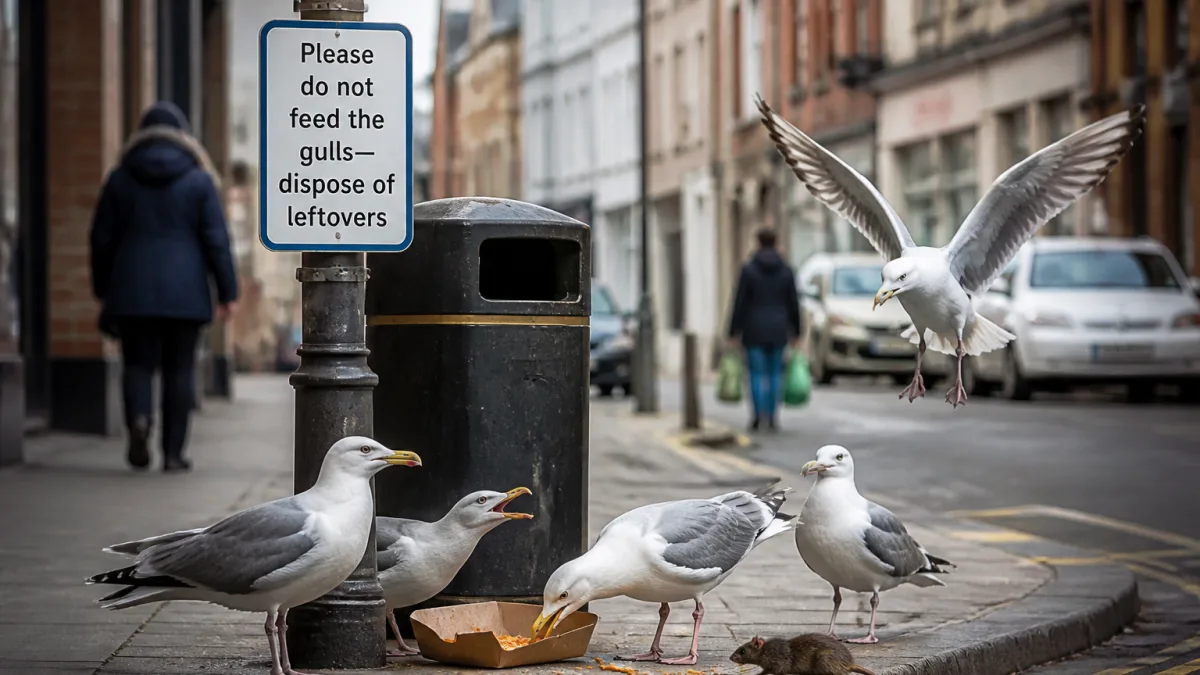
East Ayrshire Council has issued a clear appeal to residents and visitors to stop feeding gulls, warning that the practice fuels rising bird numbers, contributes to street mess and encourages aggressive behaviour around food. The authority also cautions that discarded scraps and concentrated feeding points can draw in rats and other pests, compounding problems for local communities.
The message forms part of a broader push to maintain cleanliness and order across the area. The council is urging people to play their part by disposing of leftovers responsibly, helping to cut off an easy food source for gulls and reduce the likelihood of conflicts in public spaces.
Why feeding gulls makes matters worse
Gulls are a familiar presence in towns across Scotland, particularly around places where food is readily available. When food is routinely offered, bird numbers can rise locally as more gulls gather and linger. The council highlights a straightforward chain reaction: more food leads to more birds; more birds lead to more littering, noise and fouling, and a greater chance of swooping or pecking incidents when food is present. In turn, food waste does not only sustain gulls, but can also attract rodents and other scavengers, creating a wider environmental health concern.
While some people feed gulls out of habit or with good intentions, local authorities consistently report that doing so escalates nuisance behaviour and makes it harder to manage waste and cleanliness in public areas. Ending the practice, and ensuring food waste is properly contained and binned, are among the most effective ways the public can support street hygiene.
What the council is asking people to do
- Do not feed gulls in streets, parks or near businesses.
- Dispose of leftovers responsibly to remove easy food sources for birds and pests.
- Seek further guidance via the council’s official website or by contacting local council offices.
The council’s request is straightforward: small changes by individuals can reduce temptation for gulls to congregate, improve the condition of shared spaces, and lower the chance of encounters that feel intimidating for the public.
Impacts and local context
In built-up areas, the availability of discarded food can act like a magnet for wildlife. Even occasional feeding encourages gulls to associate people with food, which can increase assertive behaviour near bins, outdoor seating and public walkways. According to the council’s advisory, the knock-on effects—more birds, more mess, and the draw of rats—place additional pressure on cleaning operations and can hinder efforts to keep town centres welcoming for shoppers, workers and visitors.
For residents, the consequences are often felt in day-to-day inconveniences: overflowing bins are harder to manage if birds tear open bags; pavements and public seating can be dirtied; and outdoor eating areas become less pleasant when gulls expect handouts. Reducing the availability of food in the first place is the simplest route to easing these problems.
How responsible disposal helps
Properly sealing and binning leftovers removes the incentive for gulls to linger and for pests to thrive. The council’s advice is to ensure food scraps are not left on the ground or near overfilled containers. Being diligent about waste makes it harder for birds to scavenge, which naturally discourages large congregations and the behaviour that can follow when they compete around food.
| Issue identified | Council’s message |
|---|---|
| Rising gull numbers | Stop feeding birds to prevent local build-up |
| Mess and aggressive behaviour | Remove food incentives; dispose of leftovers responsibly |
| Attraction of rats and pests | Cut off food sources by careful waste management |
Where to find updates and guidance
The council says this appeal sits within a wider initiative to keep public spaces clean and orderly. Residents and visitors seeking further information are encouraged to consult the official council website or contact local council offices for advice and updates.
With summer footfall and outdoor eating in full swing, the council’s call for restraint aims to support safer, cleaner and more pleasant shared spaces. The request is simple: avoid feeding gulls, and ensure leftovers go in the bin—measures that, taken together, can make a visible difference across East Ayrshire’s towns.