
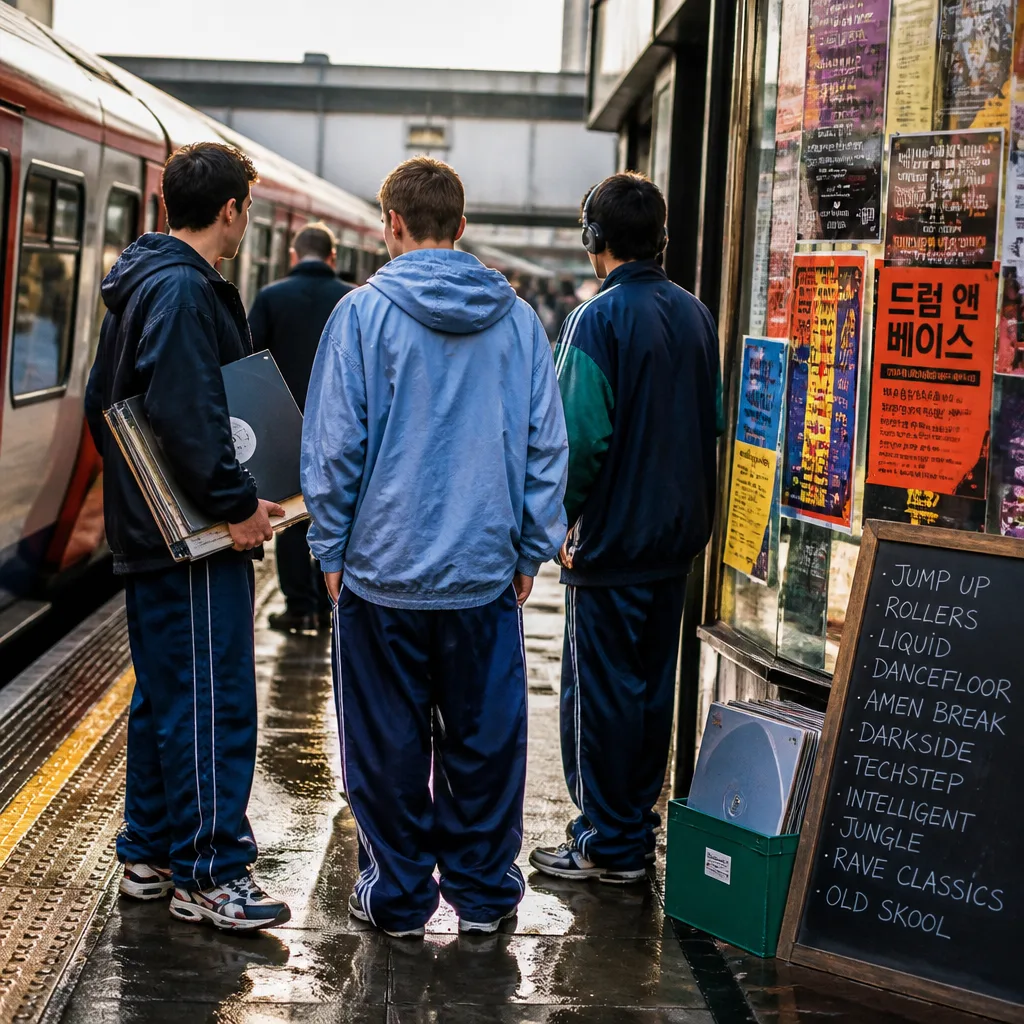
NewJeans have become an unlikely vector through which contemporary K-pop aesthetics and production choices have permeated parts of London's underground music and fashion scenes. Far from being a simple export of fandom, the group’s presence on the city’s playlists and streets reflects a broader, producer-led shift within the genre.
From producers to playgrounds
The Korea Times piece frames NewJeans not primarily as writers or beat-makers, but as a vehicle for a generation of producers. Names invoked in the feature trace the genealogy of modern K-pop: Kenzie, Teddy Park, G-Dragon and the producer-founder Bang Si-hyuk (also known as "Hitman Bang") are cited as architects of recent pop developments. The writer observes that contemporary listeners often respond to production trends — house, drum and bass, and other electronic currents — more than individual identities, and that approach helps explain how NewJeans’ aesthetic has travelled.
"I must confess, I probably couldn’t name all the members of NewJeans."
The admission is not a dismissal but a framing device: the author listens for genres and production signatures rather than celebrity. That perspective illuminates how certain songs and sonic textures have migrated from Seoul into London mixes, DJ sets and bedroom playlists.
Sound, fashion and the campus look
Where some contemporaries lean into house, NewJeans are associated more with drum and bass inflections. The Korea Times argues this musical slant, combined with a carefully curated visual identity — a revival of 1990s saggy fashion (low-slung jeans, crop tops, backpacks) — has helped them resonate in urban British milieus, from Camden’s music bars to student campuses.
- Listeners and writers tend to map K-pop by genre trends rather than by idol line-ups.
- Producers remain central: the group functions as the public face of behind-the-scenes creators.
- The group’s aesthetic choices have sparked lookalike styling among UK youth fashion.
Playlists and precedents
To illustrate the broader sonic context, the Korea Times lists a set of tracks frequently found on house and electronic-influenced K-pop playlists. These range across eras and acts, and the list highlights how varied the genre’s influences are:
| Artist | Track |
|---|---|
| KiiKii | "404" |
| Riize | "Impossible" |
| Hearts2Hearts | "Rude" |
| f(x) | "Four Walls" |
| Shinee | "View" |
That catalogue underlines a throughline: British listeners attuned to club rhythms recognise familiar templates, even when they emerge from Seoul’s studios. The Korea Times also notes that acts such as XG or Katseye find room on such playlists, underscoring that sonic affinity often outweighs other distinctions.
Consequences for UK scenes
What does this mean for London’s music ecosystem? The piece suggests a two-way effect. On the one hand, producers and their choices become the primary currency of influence — DJs, club promoters and tastemakers mine these sounds for fresh material. On the other, the visible styling of NewJeans feeds into street-level fashion trends, offering young audiences a performative template that is both nostalgic and contemporary.
Whether one sees this as cultural exchange or commercial choreography, the important detail is that NewJeans’ impact in London is symptomatic of a larger pattern: K-pop now moves through global urban centres not only as spectacle, but as a set of aesthetic and sonic building blocks that local scenes can adapt and rework.