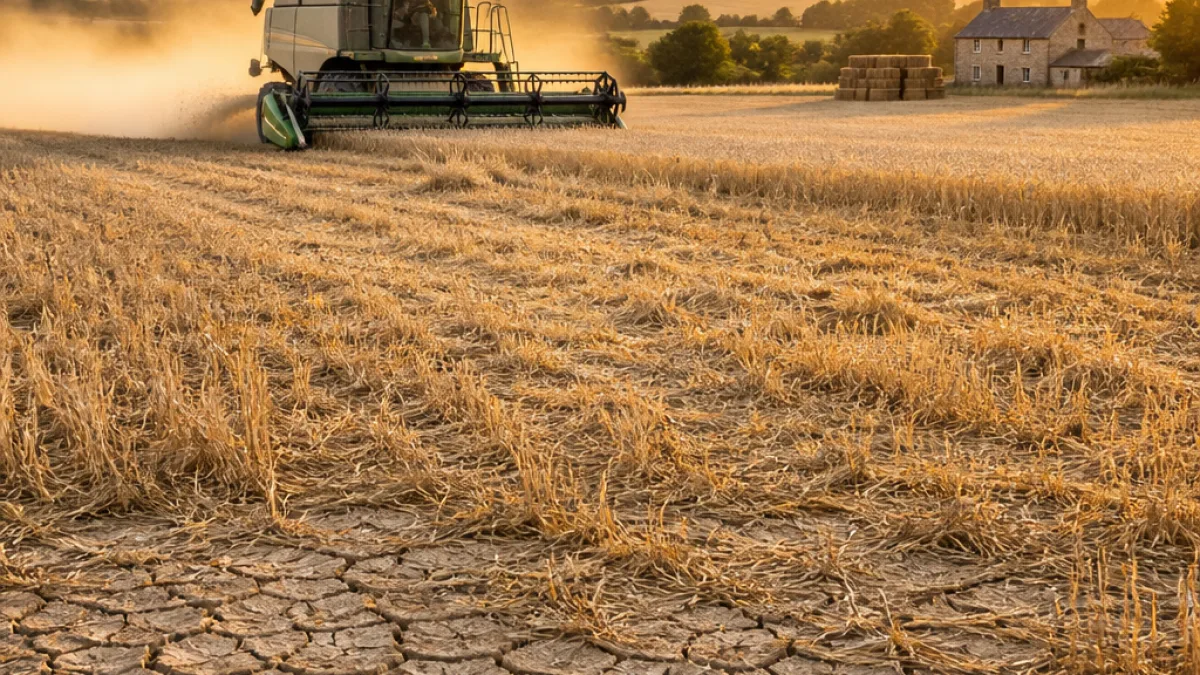
Jeremy Clarkson, the former Top Gear presenter turned farmer, has shared scenes from an unusually early harvest at his Cotswolds holding, drawing praise from followers while underlining growing anxieties among Britain’s farming community about the impact of prolonged dry weather.
Harvest arrives early on 1,000-acre farm
The 66-year-old has managed the 1,000-acre Diddly Squat farm in the Cotswolds since 2019; his experience, filmed for five series of Clarkson’s Farm, has been watched by millions. In a social media post this week Mr Clarkson posted a photograph of farm manager Kaleb Cooper at the controls of a combine harvester, accompanied by a bottle of the farm’s beer. He wrote:
"What a fantastic day. Harvesting our own beer. There’s no feeling like it."
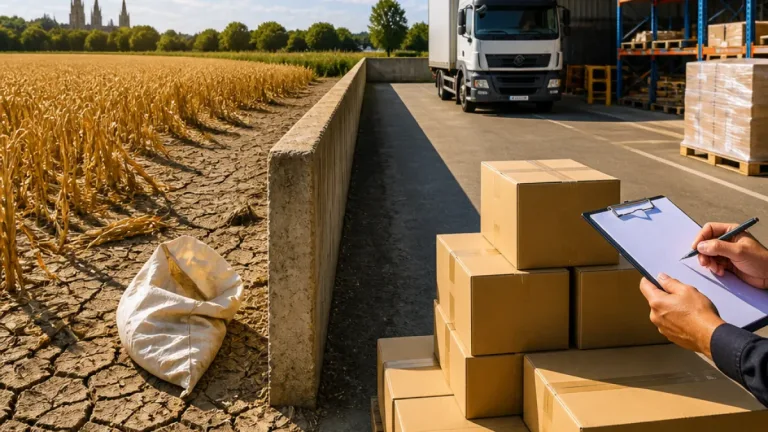
The early timing of the harvest mirrors developments across the UK, where this summer’s hot, dry conditions have prompted crops to ripen sooner than usual. Farmers and agronomists are reporting a mixed picture: some cereal crops have experienced reduced yields, while other enterprises face separate pressures relating to water and feed.
Local implications and practical pressures
For farmers around Swindon and Wiltshire the consequences are immediate and practical. The source material highlights several ongoing issues:
- Poorer yields for some cereals compared with expectations.
- Increased reliance on winter feed as grass growth is curtailed by drought.
- Water scarcity — even those with on-farm reservoirs may exhaust supplies by August in the worst-affected areas.
- Harvesting difficulties for root crops such as potatoes and carrots because of hard-baked soil.
Those pressures are prompting renewed calls from the agricultural sector for policy measures to improve resilience. Farmers are urging easier planning or regulatory routes to construct on-farm reservoirs and more flexible abstraction licences so water can be captured and stored when it does fall.
| Issue | Impact noted |
|---|---|
| Early harvest | Accelerated crop ripening; logistical strain on combining and storage |
| Poorer cereal yields | Potential effects on income and supply |
| Water shortages | Reservoirs at risk of running dry by August in some areas |
| Hard soils | Problems harvesting root crops such as potatoes and carrots |
While Mr Clarkson’s post drew warm responses from fans and followers who congratulated the team and celebrated the produce, the picture behind the celebratory image is one of a sector negotiating a changing climate. Farmers locally will be watching how government, regulators and industry bodies respond to calls for greater flexibility in water management and other resilience measures.
For residents interested in local food supplies, retailers and wholesalers will manage availability, but consumers may notice variability in price or supply later in the season if yields remain below average. For farmers, the coming weeks will be critical in terms of combining, storing and protecting both crops and livestock from the continuing effects of dry weather.
The early harvest at Diddly Squat is a reminder that rural communities close to Swindon are contending with pressures that go beyond single seasons — and that infrastructure and policy changes are being argued for now to reduce future risk.