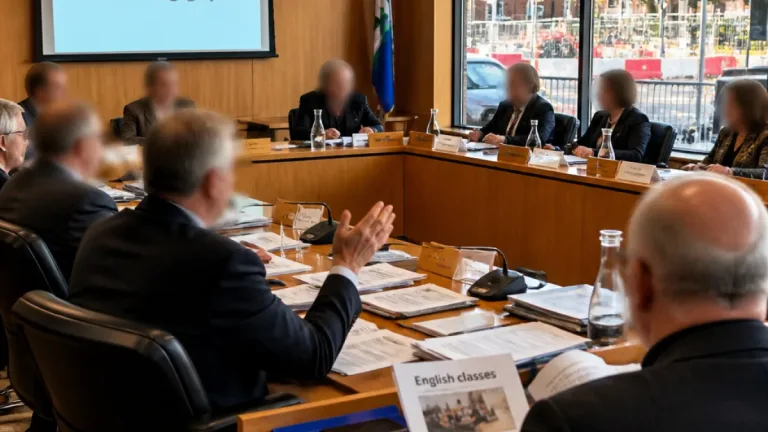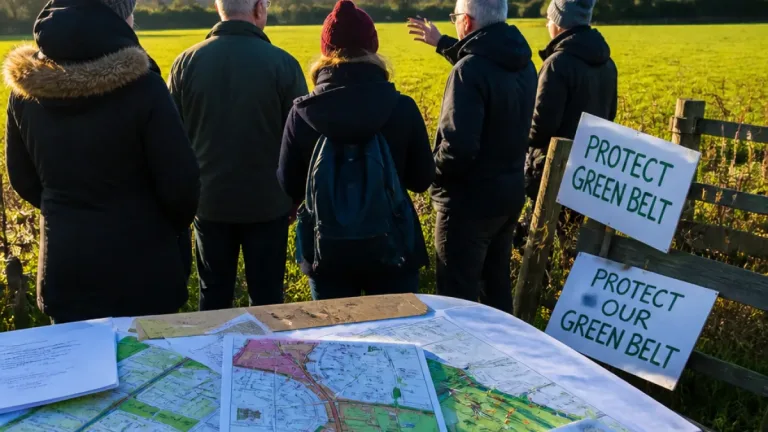

The government has confirmed plans to extend Leicester’s city boundary into surrounding towns and villages despite a consultation that showed overwhelming public opposition, local Conservative MPs have said. The decision has prompted warnings of legal challenge and a flurry of petitions opposing the change.
Consultation results: clear majority opposed
Officials released the results of the February–March exercise, which recorded 6,615 responses. Of those, only 7% reported feeling positive about creating a larger city local authority, while 87% expressed negative views. The Ministry of Housing, Communities and Local Government (MHCLG) said residents' views were considered but were only one factor in reaching its conclusion.
“When the government carries out a consultation it is meant to be a meaningful process,”
Conservative MP for South Leicestershire Alberto Costa told constituents the result demonstrated the expanded city option was “incredibly unpopular” and accused ministers of overriding public opinion. Costa said he was considering a judicial review, arguing the government had not treated the consultation as a meaningful exercise.
Local political response and petitions
Leicestershire’s Tory MPs have framed the decision as an imposition on local communities. Costa noted that more than 7,000 people had signed his petition opposing the move; other Conservative MPs have launched similar petitions which they say they will present to Parliament after the summer recess.
- Consultation period: February–March (this year)
- Responses: 6,615
- Support for expansion: 7%
- Opposition: 87%
Government stance and next steps
The MHCLG stated that while local opinion informed the decision, ministers weighed it alongside other important considerations. The precise timetable for implementing the boundary changes has not been published in the material released with the consultation figures. MPs opposing the move say they will pursue parliamentary and legal avenues to challenge the policy.
| Item | Figure |
|---|---|
| Consultation responses | 6,615 |
| Support for expanded city | 7% |
| Opposed | 87% |
The dispute raises questions about how central government balances local opinion with other policy drivers when reshaping council areas. Residents in the affected communities will be watching closely for more detail on what the changes will mean for local services, representation and council tax responsibilities.
Further developments are expected as MPs consider legal options and as ministers set out the practical steps for boundary implementation.