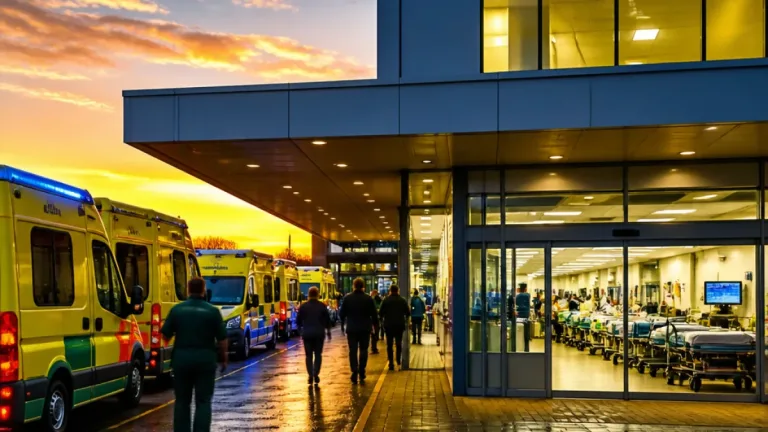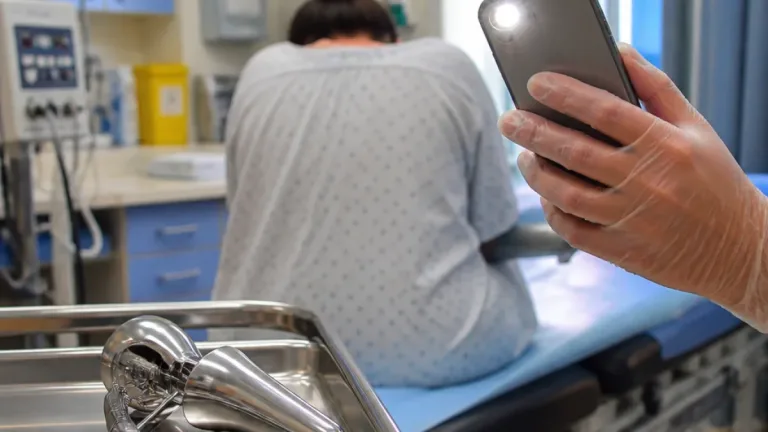

New research from the Association of Optometrists (AOP) indicates that a substantial proportion of England’s eye-related accident and emergency (A&E) attendances could be treated outside hospital settings by community optometrists. The AOP estimates that between 62% and 78% of such visits — as many as around 400,000 cases a year — relate to conditions suitable for primary eye-care management.
What the figures show
Data cited by the AOP put the annual number of A&E visits for eye problems in England at nearly 780,000, making them one of the more frequent reasons for attending emergency care. Many of these presentations are for relatively minor conditions such as conjunctivitis, dry eye, infection and some abrasions.
| Measure | Figure |
|---|---|
| Annual eye-related A&E visits (England) | ~780,000 |
| Proportion suitable for community care | 62–78% |
| Possible avoidable cases | Up to ~400,000 |
Pressure on emergency departments
Senior emergency medicine figures have warned that overcrowding and long waits remain a major problem in A&E. Speaking about the potential to relieve departments, Dr James Gagg of the Royal College of Emergency Medicine said that shifting appropriate patients to community eye-care could reduce the burden on busy emergency units and improve access for patients.
“It’s no secret that Emergency Departments (EDs) in England are under immense pressure... Utilising community optometry services to ensure there is equitable access across England could save people with a variety of eye health problems from a potentially lengthy trip to a busy ED.”
Barriers to community treatment
The AOP stresses that the issue is not capability but consistency of access. Currently, provision of NHS-funded urgent eye care varies across the country, a patchwork driven by differing commissioning arrangements often described as a postcode lottery. AOP chief executive Adam Sampson has argued that many people attend A&E because they believe it is their only option, despite community optometrists being able to manage a wide range of minor eye problems.
- Common conditions suitable for community treatment: conjunctivitis, dry eye, some infections and superficial abrasions.
- Main obstacle: uneven commissioning and inconsistent local services.
- Potential system benefit: reduce A&E demand and shorten waits for serious emergencies.
What this means locally
For Slough residents the findings underline the importance of knowing where to seek urgent eye care. Where available, local community optometry services can provide timely assessment and treatment without the delays often encountered in hospital emergency departments. Patients should check whether NHS-funded urgent eye-care services exist in their area, and local primary-care providers or pharmacies can advise on initial steps for common eye complaints.
Policymakers and local health commissioners face a practical decision: whether to invest in better-resourced community eye services to provide consistent coverage and to divert avoidable attendances from A&E. The research suggests that such a change could both improve patient experience and relieve pressure on emergency departments across the country.