Priority support for unpaid carers in Newport
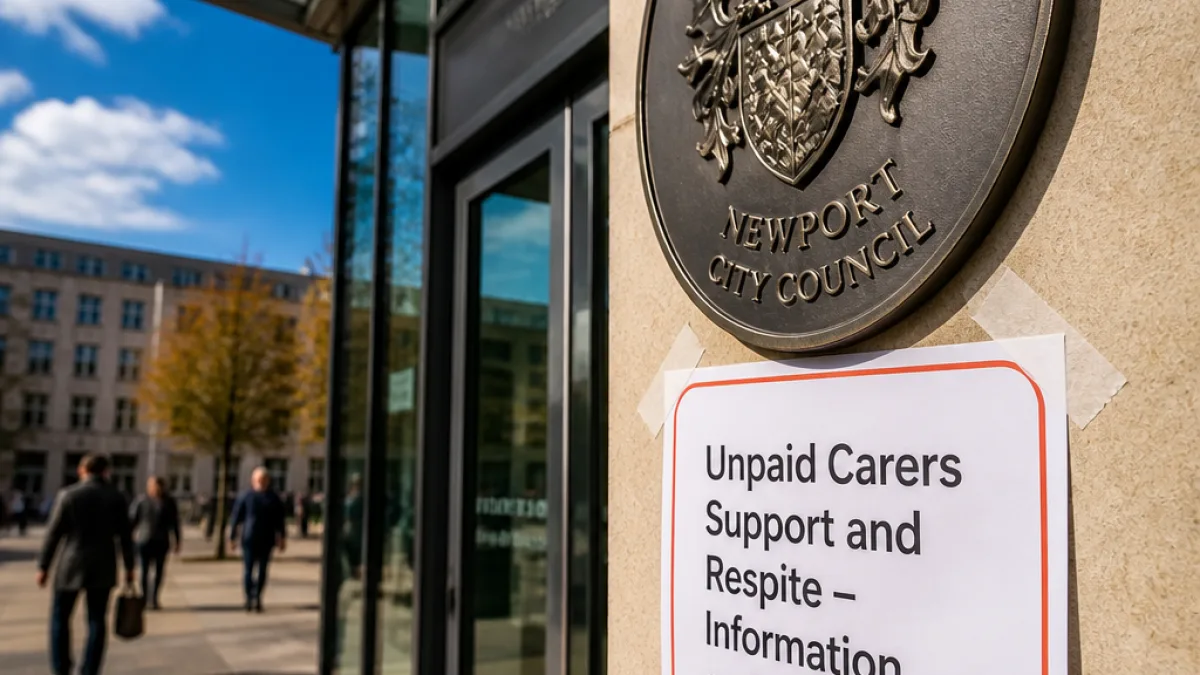
Newport City Council has signalled that bolstering help for the city’s unpaid carers will be a priority in the near term, following warnings from councillors about the critical role carers play in sustaining local health and social care. The authority said it aims to build “consistent and sustainable” support, including respite options that give carers time away while care for their loved ones continues.
Members of a council scrutiny committee heard that the contribution of unpaid carers underpins services across the city. Proposals discussed included developing reliable breaks, clearer pathways to assistance and a more uniform offer across Newport, so families can access help when they need it.
Warnings from councillors
Two councillors underscored the scale of reliance on unpaid carers and the voluntary sector. Their comments highlighted the potential consequences for the city if that support faltered.
“If unpaid carers in Newport downed tools tomorrow, it would bankrupt the city.”
“If it wasn’t for unpaid carers or the voluntary sector, our world would collapse,”
Committee members said the council must press on with strengthening respite and related assistance to protect carers’ wellbeing and maintain continuity of care for residents who depend on them.
Adult services under sustained pressure
The committee was reviewing the performance of the council’s adult services department for 2025/26 when officers set out the current picture. Head of adult services Myfanwy Moran told councillors the service is receiving cases with “increased complexity of need” and is experiencing “sustained” demand across the board, with particular pressure in safeguarding and mental health.
Ms Moran said services remain “safe and effective”, but confirmed that the landscape is challenging. She indicated that supporting unpaid carers would be “a real focus” in the next financial year, reflecting both the pressures on families and the wider system.
On staffing, Ms Moran said she was “very confidently” able to report no retention issues, noting a workforce that includes colleagues who have been in post “for years and years”. While some workforce pressures were acknowledged, council officers said the team continues to meet need safely.
Focus areas and what may change
The council framed its next steps around firming up a core offer for unpaid carers. While detailed schemes will come forward in due course, officials pointed to areas that could shape the package.
- Respite: structured breaks for carers while care for loved ones is maintained.
- Consistency: a clearer, citywide offer so support is predictable and accessible.
- Sustainability: services designed to endure amid ongoing demand and complexity.
A strengthened offer is intended to reduce strain on families and help prevent escalation into more intensive services. Carer wellbeing, service continuity and safeguarding were cited as core considerations.
Snapshot of pressures and priorities
| Area | Current position |
|---|---|
| Overall demand | Sustained across all areas |
| Case complexity | “Increased complexity of need” |
| Safeguarding & mental health | Particularly high demand |
| Service delivery | Described as “safe and effective” |
| Workforce | No retention issues reported; long-serving staff in post |
| Carer support | Priority and “a real focus” next financial year |
Implications for residents
For families providing unpaid care, the council’s direction suggests a stronger foundation of practical help is on the way. Reliable respite could allow carers to rest, attend to their own health or manage work and family commitments, while those they support continue to receive appropriate care. With adult services reporting persistent demand and more complex needs, ensuring carers have timely, dependable assistance is likely to play a central role in stabilising the wider system in Newport.
Further detail on new or expanded support is expected as the council shapes plans for the coming financial year. In the meantime, officers emphasised that current services remain in place and safe to access, even as the department responds to rising complexity across safeguarding and mental health.