Refugees are being turned into political tools, the UN refugee agency has warned, as growing economic anxieties and politicised debate increasingly cast people fleeing persecution as scapegoats rather than those in need of international protection.
UNHCR raises alarm on politicisation of asylum
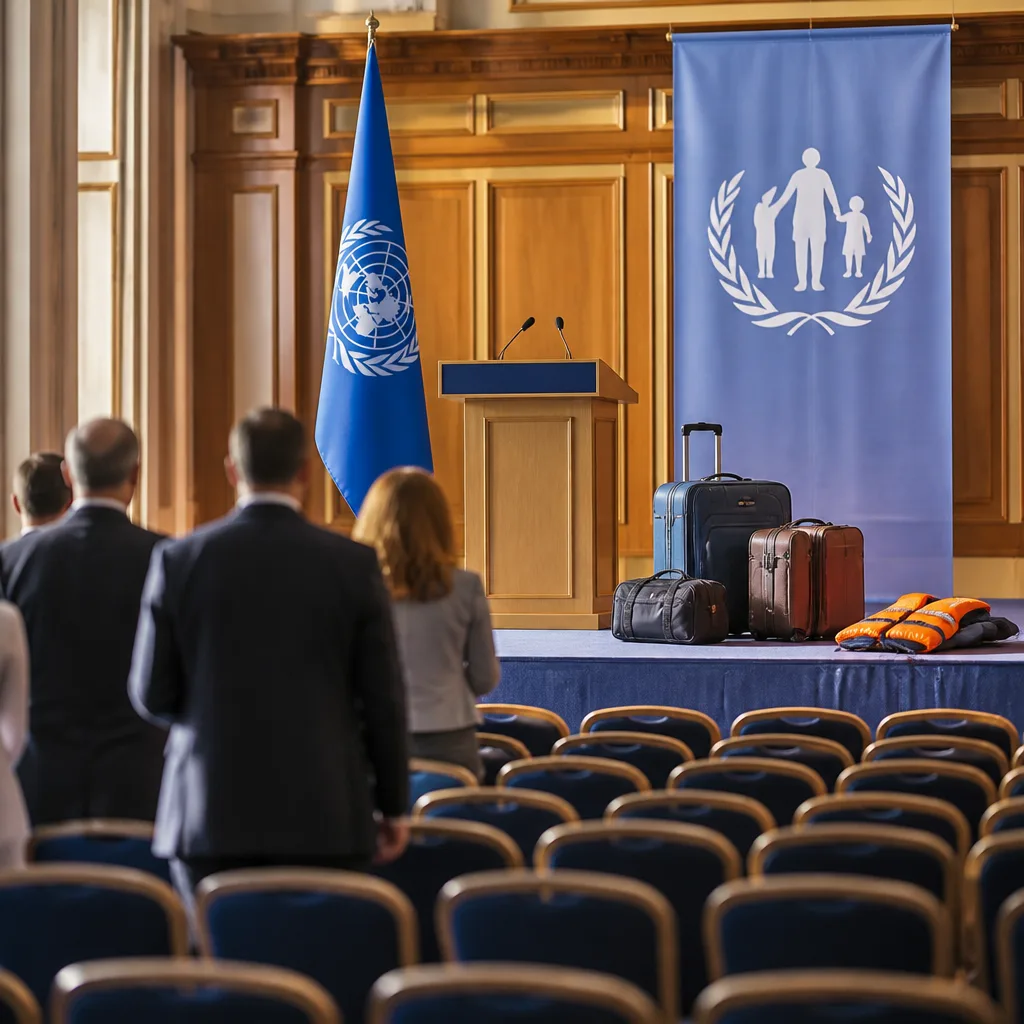
Addressing an event marking the 75th anniversary of the 1951 Refugee Convention in Geneva, UNHCR chief Barham Salih said discussions about refugees are becoming demonstrably more politicised, undermining access to asylum and the protection such systems are designed to provide.
"Too often, people forced to flee become scapegoats for wider social, economic and political anxieties,"
Salih, a former president of Iraq, urged states not only to preserve asylum systems against misuse but also to shift the international response from short‑term management of displacement towards tackling its underlying causes and finding sustainable solutions.
Policy tensions and protection obligations
The UNHCR stressed that while governments retain the right to manage and secure their borders, refugees constitute a distinct category of people escaping violence and persecution rather than individuals merely "seeking a better life". The agency highlighted the risk that portraying refugees as a burden or threat will increase barriers to seeking asylum and erode public support for international protection.
- Core concern: refugees are being used as political scapegoats in domestic and international debates.
- Call to action: protect asylum systems while preventing abuse and address root causes of displacement.
- Context: remarks delivered at the Palais des Nations, the site where the 1951 convention was opened for signature.
Historical and contemporary context
The 1951 Refugee Convention, opened for signature at the Palais des Nations, established the legal framework for refugee protection. UNHCR used the anniversary to warn that the conversation around refugees has shifted from rights and obligations towards politicised narratives that may curtail those protections in practice.
| Event | Detail |
|---|---|
| Anniversary | 75th anniversary of the 1951 Refugee Convention |
| Speaker | UNHCR chief Barham Salih |
| Location | Palais des Nations, Geneva |
The agency also appealed for a recalibration of policy: from reactive management of large numbers of displaced people to long‑term measures that address the causes of forced migration and create durable solutions for those affected. Without such a shift, UNHCR warned, asylum systems and international solidarity risk being weakened by politicised rhetoric and measures.
For policymakers in Europe and the UK, the UNHCR message underscores the tension between domestic pressures to control borders and international obligations to protect people fleeing persecution — a fault line that will continue to shape political debate and policy choices.