Fresh US airstrikes deepen stand-off with Iran
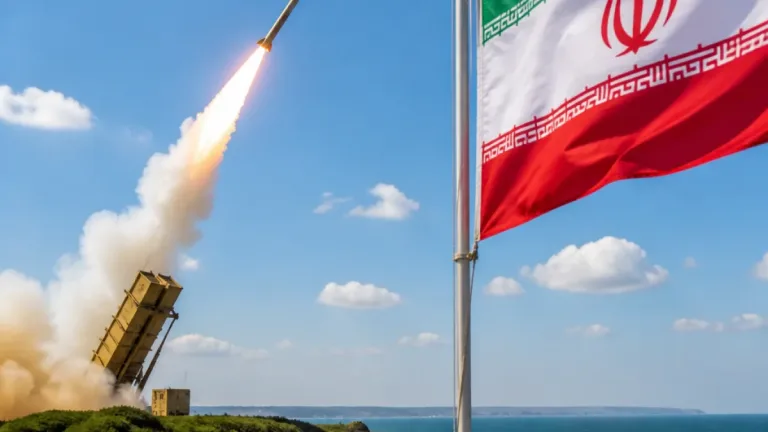
The United States has launched new airstrikes targeting elements of Iran’s Islamic Revolutionary Guard, intensifying a confrontation that has already seen the first American troop deaths attributed to direct Iranian fire since the early phase of the war. US Central Command said the overnight action formed part of an effort to degrade Tehran’s capacity to interfere with shipping, especially in and around the Strait of Hormuz — a chokepoint that, before the conflict, handled roughly one-fifth of global oil flows.
Officials in Washington framed the operation as a swift answer to an attack on a base in Jordan that killed two US service members, left one missing and saw four others evacuated to hospital before being discharged. Central Command described this as the seventh consecutive night of strikes, focusing on what it called surveillance facilities, logistics networks, underground weapons stores and maritime assets.
“Swiftly punish”
That phrase, used by the US military to characterise its intent, underscores how rapidly the cycle of retaliation is turning. Iran’s leadership has responded in kind, with the country’s supreme authority warning of “unforgettable lessons” should US attacks continue, and dismissing the American president’s signature as “worthless and invalid”. A statement attributed to Mojtaba Khamenei — read on state television — signalled Tehran was halting its adherence to an interim accord reached about a month ago, as both sides traded strikes on infrastructure and military sites.
Casualties and capabilities
Central Command reported the two US fatalities and the missing service member followed a combined ballistic missile and drone barrage on Friday. The Pentagon said partner forces were also engaged in the defence. It did not identify the dead, in line with standard notification procedures, but noted the injured troops had been discharged after treatment. Since the outbreak of hostilities, the US has recorded 16 service members killed and more than 430 wounded.
| Incident | Reported figures |
|---|---|
| US fatalities (Jordan attack) | 2 |
| US missing (Jordan attack) | 1 |
| Hospitalised then discharged | 4 |
| US deaths since war began | 16 |
| US wounded since war began | 430+ |
| Nights of consecutive US strikes | 7 |
Why this matters in Oldham
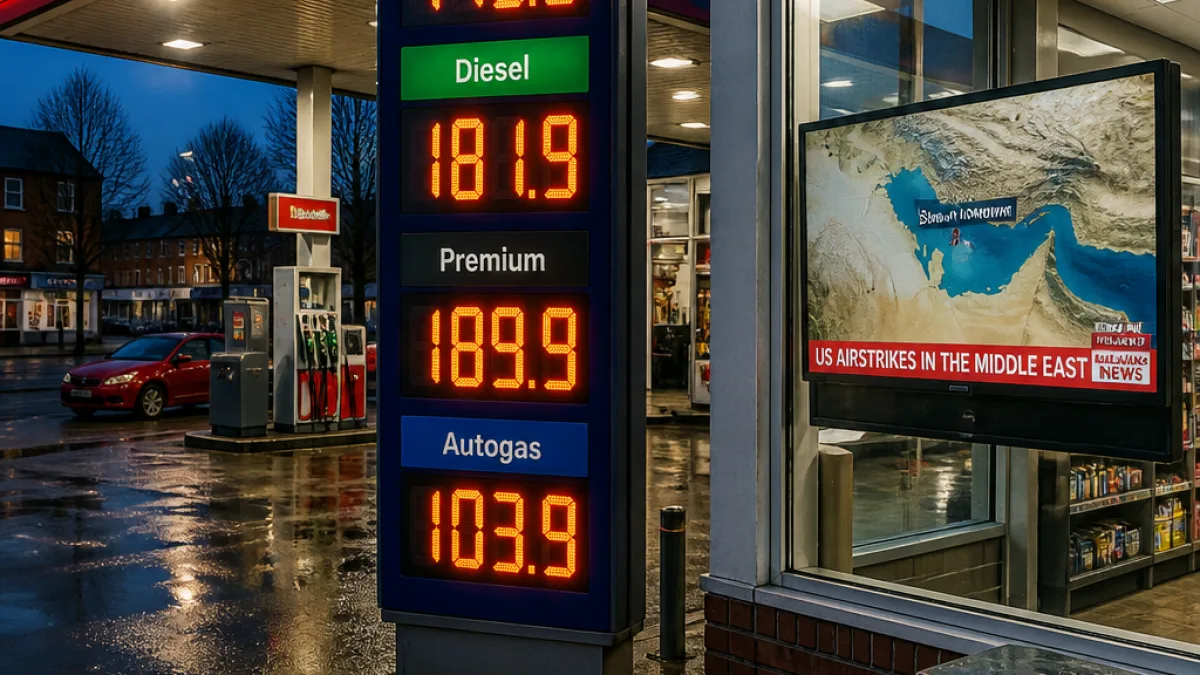
For readers here in Oldham, the immediate concern is the potential knock-on effect on energy prices. Any disruption, or even perceived risk, to shipping through the Strait of Hormuz can feed into the cost of crude and fuel. Households already watching their budgets may see renewed volatility at the pump and in heating costs if the security picture worsens. Local small firms reliant on transport, deliveries or high-energy use are particularly exposed to sudden swings.
While markets react to more than military headlines — including stock levels, demand forecasts and OPEC decisions — a run of strikes and counter-strikes tends to harden risk premiums. Residents planning summer travel to the region should keep a close eye on UK Government travel advice, which is updated as the security situation evolves.
What US Central Command says it hit
US officials said targets included:
- Surveillance sites supporting monitoring and targeting activity.
- Military logistics infrastructure tied to movement and supply.
- Underground weapons storage locations.
- Maritime capabilities that could be used to threaten shipping.
Washington argues degrading these assets reduces the threat to commercial tankers and naval patrols in surrounding waters. Tehran rejects that framing, presenting the confrontation as a response to US aggression and promising repercussions.
Rhetoric hardens as diplomacy frays
The televised statement attributed to Mojtaba Khamenei — with the clerical establishment warning the United States against further action — sits alongside news that Tehran has paused its participation in the month-old interim deal. Coupled with the White House confirming the deaths and a missing service member after the Jordan strike, it paints a picture of both sides digging in, even as the humanitarian and economic costs mount beyond the region.
For Oldham, this is a story to watch closely. Rising fuel costs filter quickly into the weekly shop and bus, taxi and delivery fares. Community groups supporting those on tight incomes may see added pressure if prices climb. Local authorities and health services also shoulder higher operating costs when energy spikes, stretching budgets that are already under strain.
What to look for next
Key indicators in the coming days include whether further US strikes follow, any visible changes to shipping insurance rates and traffic through Hormuz, and clarity on the status of the missing US service member. On the diplomatic front, attention will be on whether backchannels can reopen to revive the suspended interim arrangements or at least slow the tempo of military action.
InfoRadar will continue to monitor reputable official updates and independent reporting. If you’re feeling the squeeze from fuel or heating costs, local advice centres can help signpost support schemes and budgeting guidance. As ever, plan ahead where possible and keep receipts to track any sudden changes in prices at the forecourt.