Inspector flags persistent safety failings at South Lanarkshire detention centre
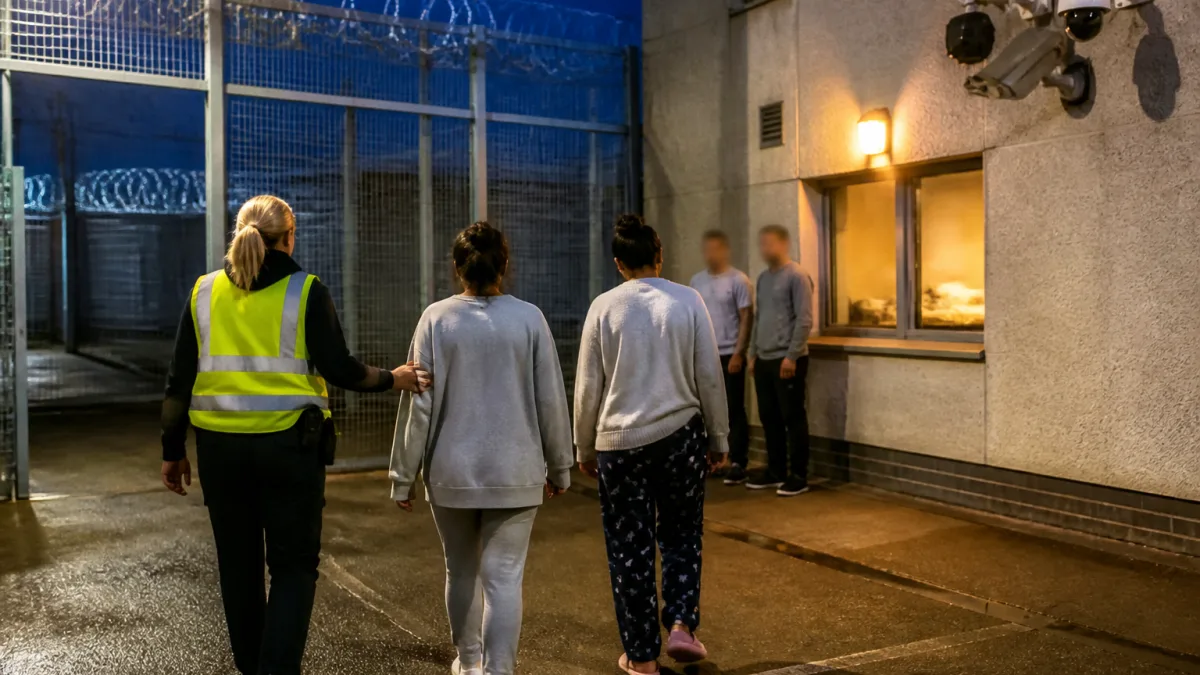
Women held at Dungavel immigration removal centre in South Lanarkshire are facing unacceptable safety risks, according to a new assessment by the Chief Inspector of Prisons, Charlie Taylor. Inspectors observed male detainees attempting to look through the bedroom windows of women’s accommodation and heard repeated concerns from women who said they felt unsafe in outside areas of the centre.
The inspection, focused on women’s experience of immigration detention, found that 43% of women at Dungavel reported feeling unsafe when they left the female unit. While men and women are accommodated separately, the report describes unequal access to movement: women needed to be escorted by staff to move around parts of the site, whereas men enjoyed wider freedom of movement.
“We can(not) go outside because of the males and our time to do things are quick because of them,”
one detainee told inspectors. Others said they avoided leaving their unit except when absolutely necessary, with some reluctant to go outside even when an escort was available, the report notes.
Specific incidents and risk management concerns
Inspectors recorded instances of men at Dungavel peering into women’s bedrooms and reported being approached by a group of male detainees questioning why they could not mix with women. The report also highlights serious case management issues: at the time of inspection, one man assessed as posing a risk of harm to women was housed at the facility. Another man, facing impending prosecutions for sexual offences, had been detained there for more than a year until shortly before the visit.
These findings echo warnings first issued in 2021, when the Chief Inspector raised alarms that, during pandemic restrictions, female detainees were being placed at risk by proximity to men with histories of sexual violence. The latest evidence suggests that core safeguarding challenges have not been fully resolved.
Transfers criticised: late-night moves and health concerns
Beyond on-site safety, the inspector criticised the way women are moved between facilities. The report found that some women — including those who were pregnant, physically unwell, or at risk of self-harm or suicide — were transferred late at night with insufficient consideration for their health or the appropriateness of the journey. Such trips, it said, were disruptive, exhausting, and potentially damaging for women with existing medical or mental health needs.
These operational practices compound the anxieties described by women at Dungavel about venturing outside their unit. The combination of travel stressors and on-site experiences of feeling watched or approached has led some to curtail their daily routines, according to the inspectorate’s account.
Context: women in immigration detention
Home Office data cited in the report show that, as of December 2025, 119 women were being held in immigration removal centres and in residential short-term holding facilities across the UK. Dungavel, which accommodates both men and women in separate units, continues to play a prominent role in the UK’s detention estate and remains a focal point for scrutiny in South Lanarkshire.
The inspectorate’s findings intensify questions about how women’s safety is managed at mixed-sex detention sites and whether site design, staffing levels, and movement protocols sufficiently protect those identified as vulnerable. The evidence of men attempting to look into women’s bedrooms and the presence of individuals assessed as a risk to women suggests gaps in supervision and risk assessment procedures.
What happens next
The report is expected to prompt further examination of security arrangements around women’s accommodation at Dungavel, alongside a review of escort and transfer policies affecting detainees with heightened health and safeguarding needs. While responsibility for immigration detention policy sits with the Home Office, local interest in South Lanarkshire is likely to remain strong given Dungavel’s location and the inspector’s repeated intervention over recent years.
The inspectorate’s wider recommendations, though not all detailed in the summary findings, typically call for clear segregation of risk, robust supervision of shared or adjacent spaces, and humane treatment standards for those being moved between facilities. Ensuring that women can access outdoor areas and site services without fear is central to these expectations.
Key figures from the report
| Measure | Figure |
|---|---|
| Women feeling unsafe in outside areas at Dungavel | 43% |
| Total women in UK immigration detention (Dec 2025) | 119 |
| First publicised warning about risks at Dungavel | 2021 |
Local significance
For South Lanarkshire, the findings bring renewed attention to one of the area’s most scrutinised facilities. Community stakeholders and local representatives have previously engaged with concerns about safeguarding at Dungavel; the inspector’s latest observations are likely to inform ongoing discussions about oversight and accountability on the site. The issues raised — women’s freedom of movement, protection from harassment, and the handling of vulnerable detainees — have direct consequences for how the centre is managed and perceived locally.
- Safety and dignity: Calls for tighter controls around women’s accommodation and outdoor spaces.
- Risk management: Closer scrutiny of who is housed on site and how risks to women are mitigated.
- Health and welfare: Review of late-night transfers and travel arrangements for pregnant and at-risk detainees.
Neither the inspector’s report excerpt nor the initial findings include a response from the Home Office or the centre’s operator on the concerns raised. Further updates will follow as formal replies and any remedial steps are set out.