
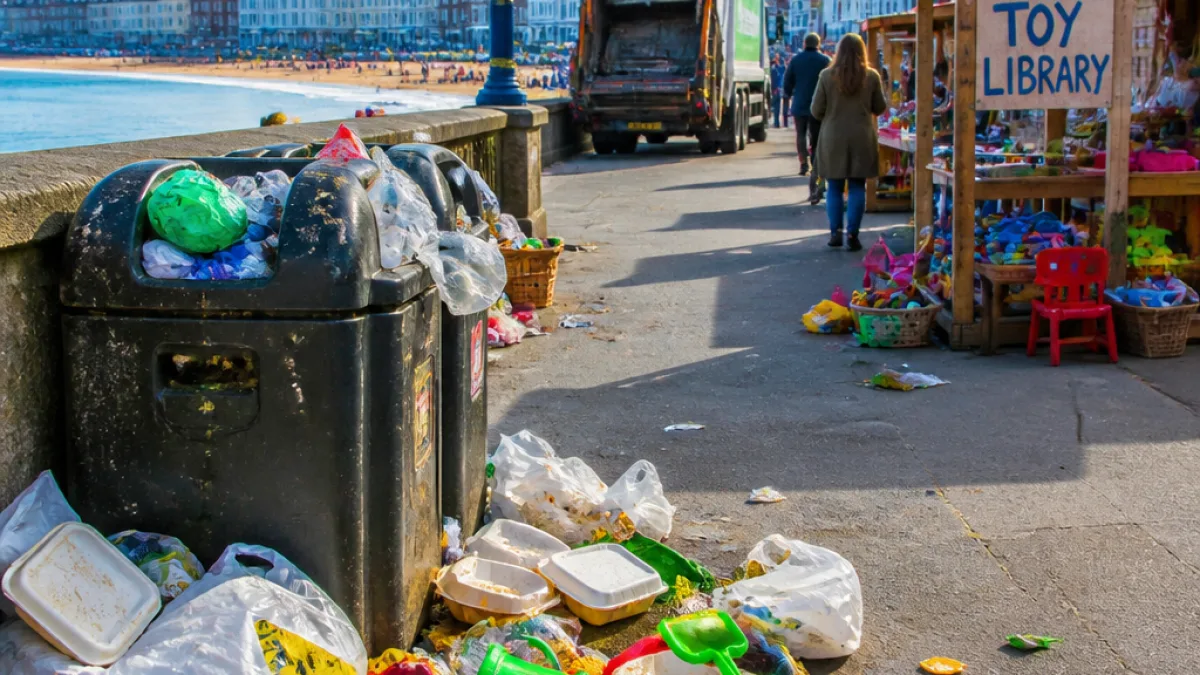
Campaigners in Weymouth have warned that the county’s beaches are facing an escalating waste problem as warmer summers bring more visitors to the coast. Local groups and councils say the pressure on seafront services is intensifying, with routine bin collections struggling to keep pace with demand.
Biggest burden in summer months
During the busiest periods of the year, Dorset Council collects approximately 8–10 tonnes of waste each day from bins along the seafront, according to local campaigners. Volunteers and environmental groups argue the issue is less about casual littering and more a structural waste-management challenge linked to high visitor numbers and the prevalence of single-use items.
Dave Taylor, co-founder of the Weymouth & Portland Marine Litter Project, summed up the position succinctly.
"We have a waste problem, not a litter problem."
That view is shared by others involved in local clean-up and awareness efforts. Organisations such as Litter Free Dorset, which works in partnership with Dorset Council, are focusing on reducing the overall volume of material arriving on the beaches rather than only increasing collection frequencies.
Local responses and proposals
Among measures already being promoted is a scheme to reduce disposable beach toys: shops are being encouraged to support a toy-lending approach so holidaymakers can borrow or return items rather than buy single-use inflatables and plastic toys. Several traders have agreed to display stickers asking customers either to take toys home or to donate them to a communal library when finished.
- Community action: volunteer litter-pick groups and marine-litter projects organising regular beach cleans.
- Business participation: some seafront shops backing toy-library initiatives to cut one-use purchases.
- Council challenges: difficulties separating recycling correctly in busy public bin banks and limits to capacity.
Practical implications for residents and visitors
Campaigners stress that current arrangements are not sustainable if visitor numbers continue to rise during hot weather. They are urging holidaymakers to take responsibility for the material they bring to the coastline and for businesses to consider alternatives to disposable products.
| Issue | Local impact |
|---|---|
| Peak-season daily waste | 8–10 tonnes |
| Recycling | Hard to manage at busy seafront bin sites |
Local councils acknowledge the logistical hurdles: ensuring correctly separated recycling at open-access bin banks is challenging when collections are frequent and materials are mixed. Campaign groups say a combination of behavioural change, business cooperation and targeted council measures is needed to reduce the strain on waste services and improve water quality around the coast.
For now, visitors planning a beach day in Weymouth and neighbouring resorts are being asked to consider taking their rubbish home where possible, reuse or borrow beach equipment when available, and dispose of waste thoughtfully to help preserve the shoreline for residents and future visitors.