Rapidly escalating outbreak in eastern DR Congo
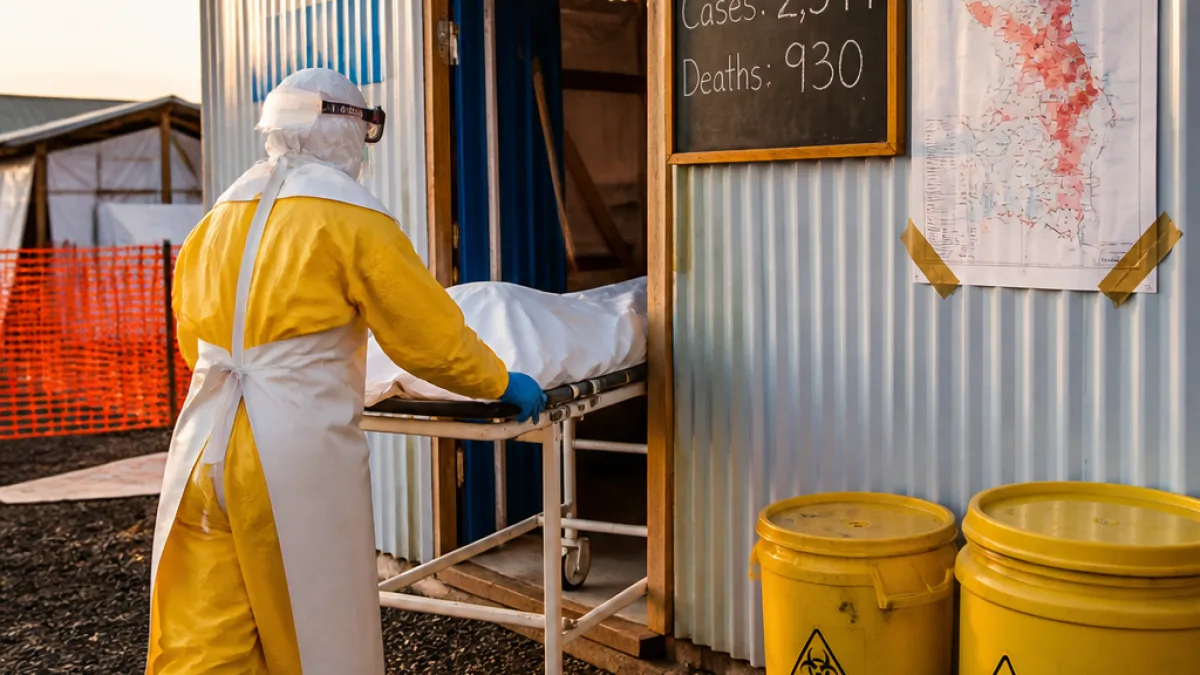
Health authorities in the Democratic Republic of the Congo have confirmed a sharp rise in fatalities linked to the current Ebola outbreak in the country’s east, reporting at least 930 deaths from 2,344 confirmed cases as of Saturday night. The surge included 37 deaths in the latest 24-hour period, one of the largest single-day increases recorded during this event.
At least 930 people have died in the Democratic Republic of the Congo’s Ebola outbreak, with 2,344 cases confirmed as of Saturday night, according to the country’s health ministry.
Officials have described the situation as the fastest-growing Ebola outbreak on record since it was declared in eastern DR Congo on 15 May. The virus driving this event is the Bundibugyo species, which the ministry notes is less commonly encountered than other Ebola strains. There is currently no approved vaccine or treatment specific to this variant.
What the figures show
| Measure | Reported |
|---|---|
| Total confirmed cases | 2,344 |
| Total deaths | 930+ |
| New deaths (previous 24 hours) | 37 |
| Outbreak declared | 15 May (eastern DR Congo) |
| Virus species | Bundibugyo |
| Approved vaccine/treatment | None for this species |
Why this matters to UK readers
While the outbreak is concentrated in DR Congo, developments of this scale have international relevance. Public health agencies typically monitor such events closely due to global mobility and the need for situational awareness. Readers considering travel to affected regions should check the latest advice from official channels before departure and remain alert to updates from international and national health bodies.
- Follow travel and health guidance issued by recognised authorities before visiting affected areas.
- Stay informed through verified updates as figures and assessments can change rapidly.
- Be aware that the virus strain implicated in this outbreak has no approved vaccine or specific treatment at present.
Understanding the current risk
The figures released by DR Congo’s health ministry underline an outbreak that is expanding quickly, placing pressure on response efforts and local services. The designation of the Bundibugyo species is significant because interventions and evidence bases can differ between Ebola virus types. The absence of an approved vaccine or targeted treatment for this strain raises the stakes for preventative measures and rapid containment.
The situation remains fluid. As with any major infectious disease event, official updates may revise case counts and risk assessments as surveillance improves. Readers are encouraged to obtain information from trusted sources and to defer to guidance issued by recognised health authorities if travelling or working in affected regions.
Where to find reliable information
For current travel and health advice related to DR Congo and neighbouring regions, consult official government travel advisories and public health guidance. Monitoring statements from international health organisations can also provide useful context on outbreak dynamics, response measures and any changes in recommended precautions.