The death of 14‑year‑old Willow‑Tarris Shannon Lynette Lee, known as Ollie, has prompted Barnsley Academy, Barnsley Metropolitan Borough Council and local health services to review processes after a coroner highlighted missed opportunities to provide mental health support.
Prevention of Future Deaths report raised concerns
At an inquest in May, assistant coroner Hannah Berry issued a Prevention of Future Deaths (PFD) report to the school, the council and the local health board. The inquest heard that Ollie had complex needs, including suspected neurodiversity and identity confusion, and that she had experienced both physical and homophobic bullying while at Barnsley Academy. She died at Barnsley District General Hospital on 6 October 2024, after being found unresponsive at home.
The coroner's report identified failings in communication between agencies and set out that opportunities to intervene and provide timely mental health support had been missed.
Actions taken by organisations
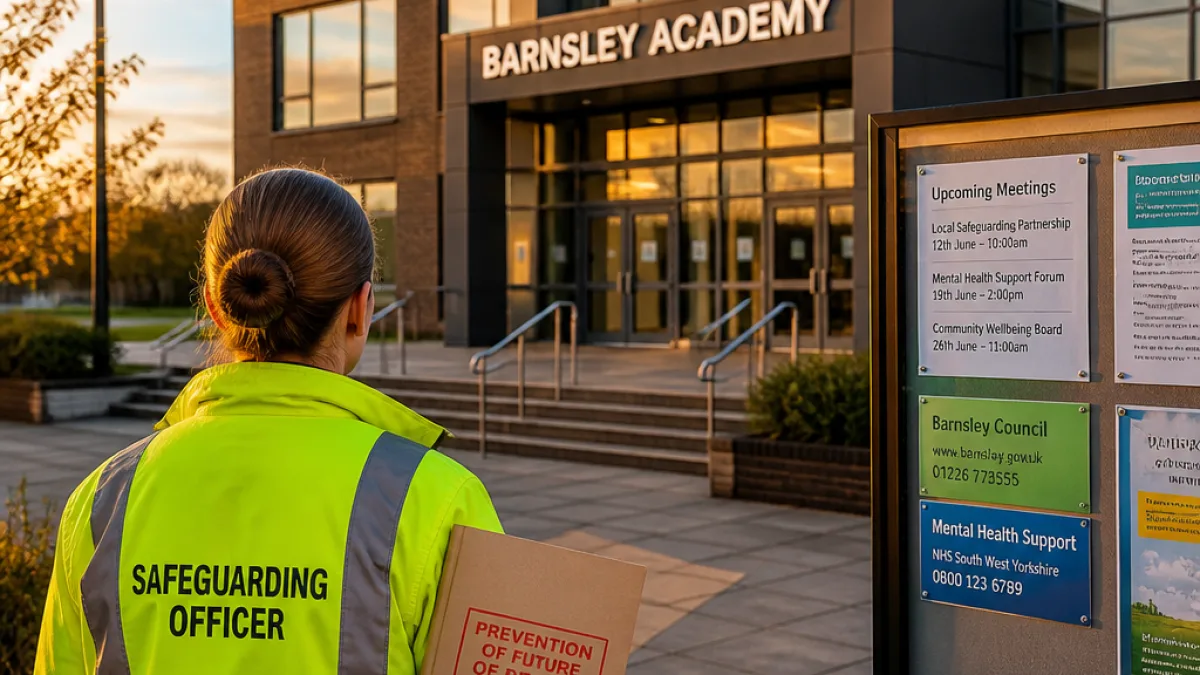
In response, the organisations named in the PFD have outlined steps they say they have taken to address the concerns raised. Barnsley Academy has described staff training, changes to safeguarding capacity and improved liaison with mental health services as part of its response.
"Additional recruitment into the safeguarding team on 20 January, 2025, has increased capacity, allowing quality assurance to take place more regularly. The additional capacity has also ensured that preventative as well as reactive work has been strengthened within the school."
The inquest record also noted Ollie's previous self‑harm and contact with mental health services and a council early help support worker. Following her death, her mother, Courtney Lee, has campaigned for bullying to be made a criminal offence.
- Training: Seven staff members at the academy have received training in Early Help processes since March 2025.
- Safeguarding capacity: The school added staff to its safeguarding team from 20 January 2025.
- Inter‑agency liaison: The academy reports improved liaison with mental health services for both general matters and individual cases.
What this means locally
Coroners' PFD reports are designed to prompt action to prevent similar deaths. For Barnsley, the case has shone a light on how schools, the council and health services share information and coordinate support for young people with complex needs. Changes in training and staffing at a single school may reduce risk for pupils there, but the PFD highlights a broader question about consistent, effective multi‑agency working across the borough.
| Organisation | Action reported |
|---|---|
| Barnsley Academy | Staff training; increased safeguarding staff; improved liaison with mental health services |
| Barnsley Metropolitan Borough Council | Received PFD; undertaking review (details provided to coroner) |
| Local health services | Received PFD; reviewing communication and support pathways |
The coroner's report and the organisations' responses form part of the public record of the inquest. Families and campaigners often seek wider changes in law or policy; in this instance Ollie's mother has been publicly campaigning on bullying following her daughter's death.
Those concerned about their own children's safety or welfare can contact Barnsley Council's children's services or the NHS mental health services. Schools also have designated safeguarding leads who should be the first point of contact for concerns about a pupil's welfare.
This newspaper will continue to monitor the implementation of the recommendations set out in the coroner's report and any further responses from the relevant agencies in Barnsley.