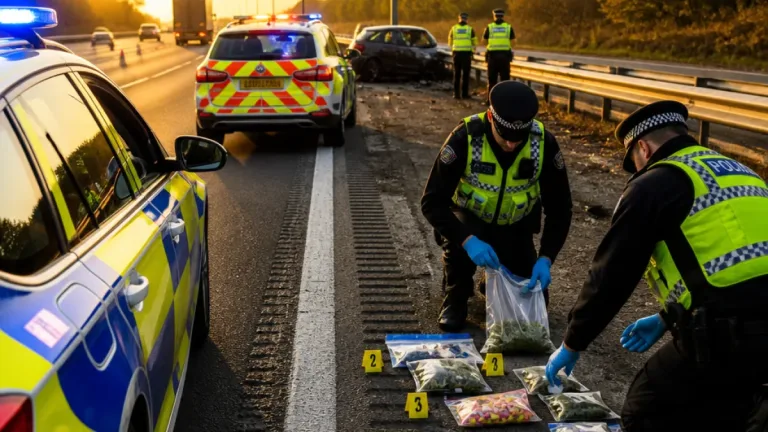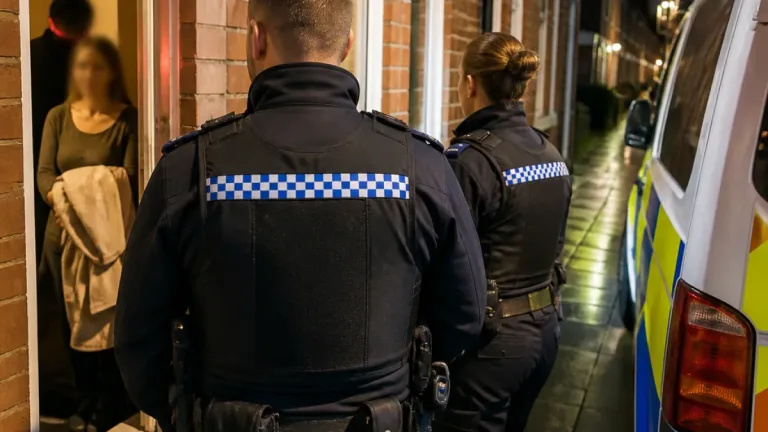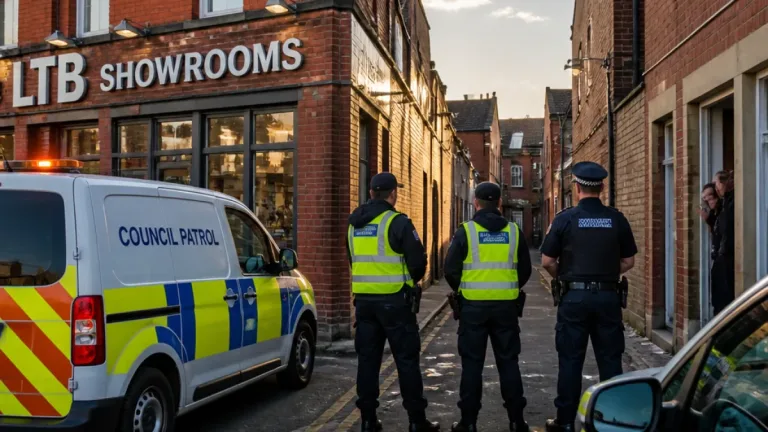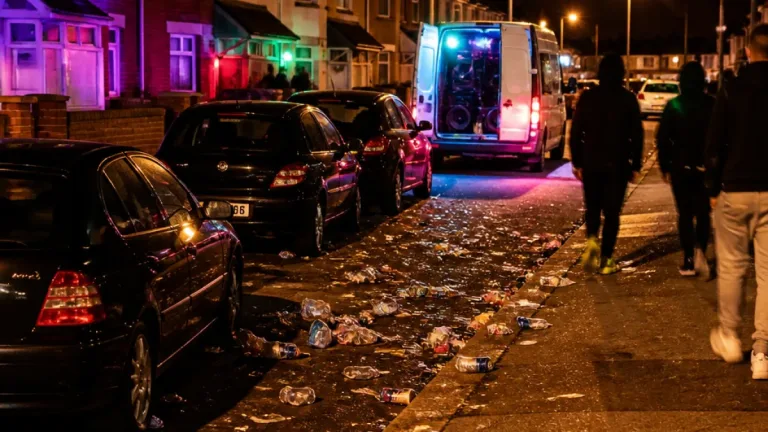
Officers policing Belfast city centre say they are seeing rising levels of drug addiction, mental health problems and rough sleeping that are placing demands on the police beyond their traditional role. While the city retains important safety credentials, officers warn that a more coordinated response is required from statutory and voluntary services to address what they describe as a crisis on the streets.
More patrols but new strains on policing
The Police Service of Northern Ireland's Central Neighbourhood Policing Team has increased its city-centre presence from two to three patrol teams since April to maintain longer daily coverage. Additional resources are also deployed from outside the city centre to provide higher visibility at weekends.
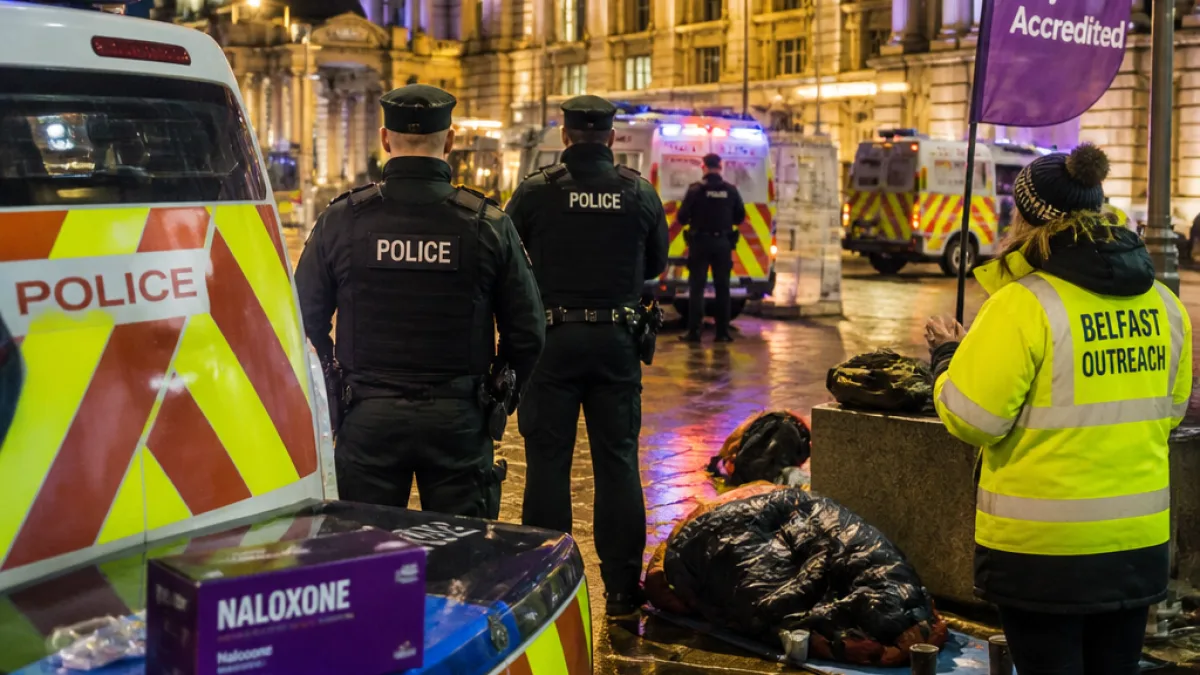
PSNI sergeant Dave McKinley told officers are regularly dealing with issues that are not strictly criminal matters: addiction, vulnerability, rough sleeping, on-street drinking and acute medical emergencies linked to substance misuse. To respond, officers now carry naloxone to treat overdoses encountered in the city.
"A lot of things we deal with are not really a police matter, but we're there. For example, officers carry naloxone to administer to a lot of drug users in the city centre who are overdosing. There is a medical crisis around addiction in the city centre... it is a crisis, people see it every day of the week."
Safety credentials alongside visible problems
Despite those concerns, the city has retained recognised standards for night-time safety. Belfast has been awarded Purple Flag accreditation for the sixth consecutive year, a marker for towns and cities that provide a safe and vibrant evening economy. Inspectors rated the city above standard in areas including wellbeing, cleanliness and safety infrastructure.
| Indicator | Current status |
|---|---|
| Patrol teams (city centre) | Increased from 2 to 3 since April |
| Purple Flag accreditation | Retained for 6th year |
| Partners active in night-time response | Community Rescue Service, SOS Bus NI, PSNI |
Frontline reality and multi-agency response
Daily patrols involve repeated contact with people who sleep rough and those with complex needs; officers said they also provide reassurance to businesses and interact with tourists. The PSNI characterises its role as part of a multi-agency approach but says that more joined-up action is needed "at the highest level right down to the ground" to tackle the root causes of the problems.
- Visible issues: addiction, rough sleeping, on-street drinking, mental health crises.
- Operational changes: increase in patrol teams; naloxone carried by officers.
- Partners: voluntary bodies including Community Rescue Service and SOS Bus NI assist the PSNI.
The unfolding situation in Belfast city centre underlines the intersection of policing, health and social care. Retaining Purple Flag status indicates that safety measures and partners are delivering some protection for night-time visitors, but officers' testimony points to significant unresolved pressures on services and vulnerable people living on the streets.
As the city prepares for events and the ongoing demands of its evening economy, the PSNI message is clear: enforcement alone cannot resolve the long-term harms of addiction and homelessness and further strategic coordination is required to reduce harm and protect both vulnerable people and the public.