
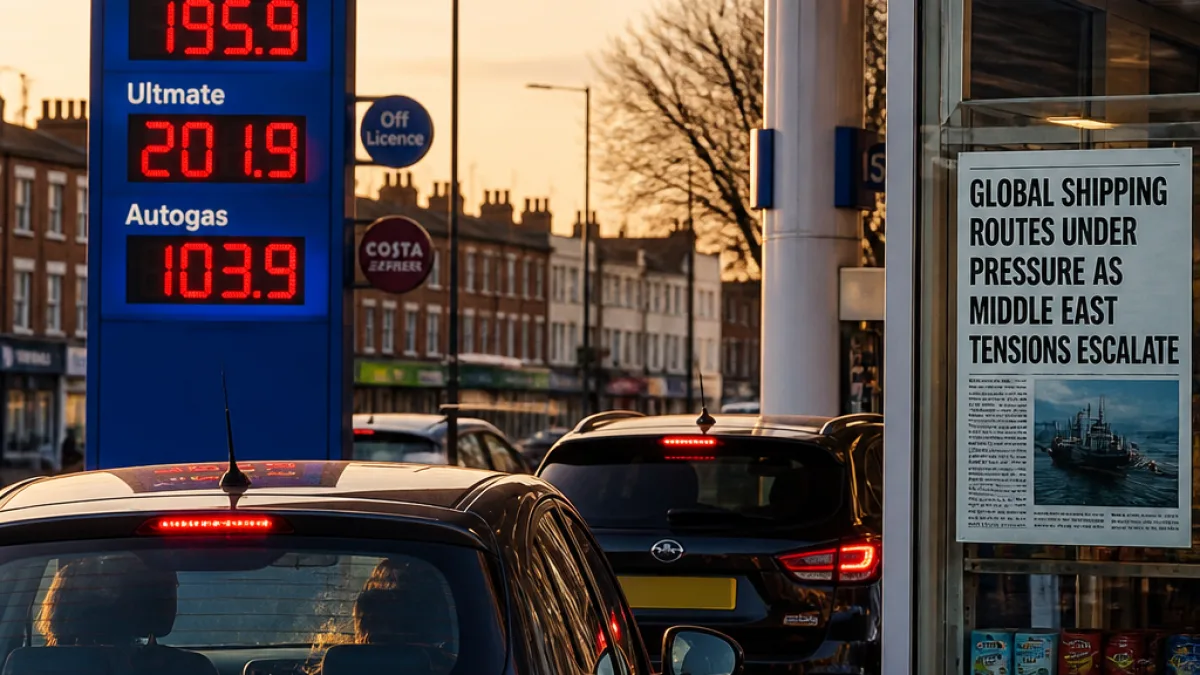
Global squeeze on supply keeps Brent crude elevated
Brent crude settled around $88 per barrel, remaining close to a five-week peak after choppy trading. The oil market has been parsing a mix of heightened security risks affecting shipping routes and facilities, alongside reports of renewed diplomatic engagement aimed at pausing hostilities in parts of the Middle East.
Why prices are firming
Several supply-side factors underpin the recent firmness in the Brent benchmark:
- Maritime security concerns: An announced ban on maritime traffic from Saudi Arabia by Yemen’s Iran-backed Houthi rebels has added pressure on Red Sea shipments.
- Attacks on oil infrastructure: Recent strikes on tankers and onshore facilities — including fresh action that disrupted loading at a Black Sea terminal linked to the Caspian Pipeline Consortium — have tightened perceived supplies.
- Strait of Hormuz disruption: Shipping through this strategic chokepoint remains severely affected after attacks on commercial vessels, sustaining an elevated risk premium.
- Diplomatic dynamics: Reports that mediators proposed a short pause in hostilities between the US and Iran, and confirmation that Iran has received proposals intended to ease the conflict, provide some offsetting downward pressure on prices if talks progress.
Local implications for Brent households and businesses
While the borough does not set fuel prices, global crude movements feed through to the cost of petrol and diesel, home energy bills and operating costs for firms reliant on road freight. Residents and local businesses should be aware of the following likely effects:
- Short-term volatility at the pumps: petrol and diesel prices can react quickly when supply risks rise, producing spikes at forecourts across Brent.
- Cost pressure for transport-dependent services: taxi fares, local delivery charges and some logistics costs may increase if wholesale fuel prices stay elevated.
- Potential knock-on for household budgets: sustained higher energy input costs can feed through to some utility and service prices over time.
What to watch next
Key developments to monitor include further incidents affecting shipping lanes, any fresh attacks on oil infrastructure, and progress in diplomatic talks. Improvements in the security situation or a confirmed pause in hostilities could ease the risk premium and lower prices; conversely, renewed attacks or wider escalation would likely push prices higher again.
| Factor | Direction of pressure on price |
|---|---|
| Maritime bans and attacks | Up |
| Pipelines/terminal disruptions | Up |
| Diplomatic pause proposals | Down (if agreed) |
“Market attention remains split between immediate supply threats and any signs of a diplomatic thaw.”
For Brent residents this means continuing sensitivity in local energy costs. Households and small businesses may wish to factor short-term volatility into budgeting and procurement decisions, while community services that run high mileage should review fuel-management plans. InfoRadar will monitor further developments and report any changes that could affect local prices and services.