Prime Minister Andy Burnham has unequivocally ruled out calling an early general election, saying he will honour the Labour manifesto delivered at the last nationwide vote and focus on implementing the party’s programme.
Mandate and manifesto
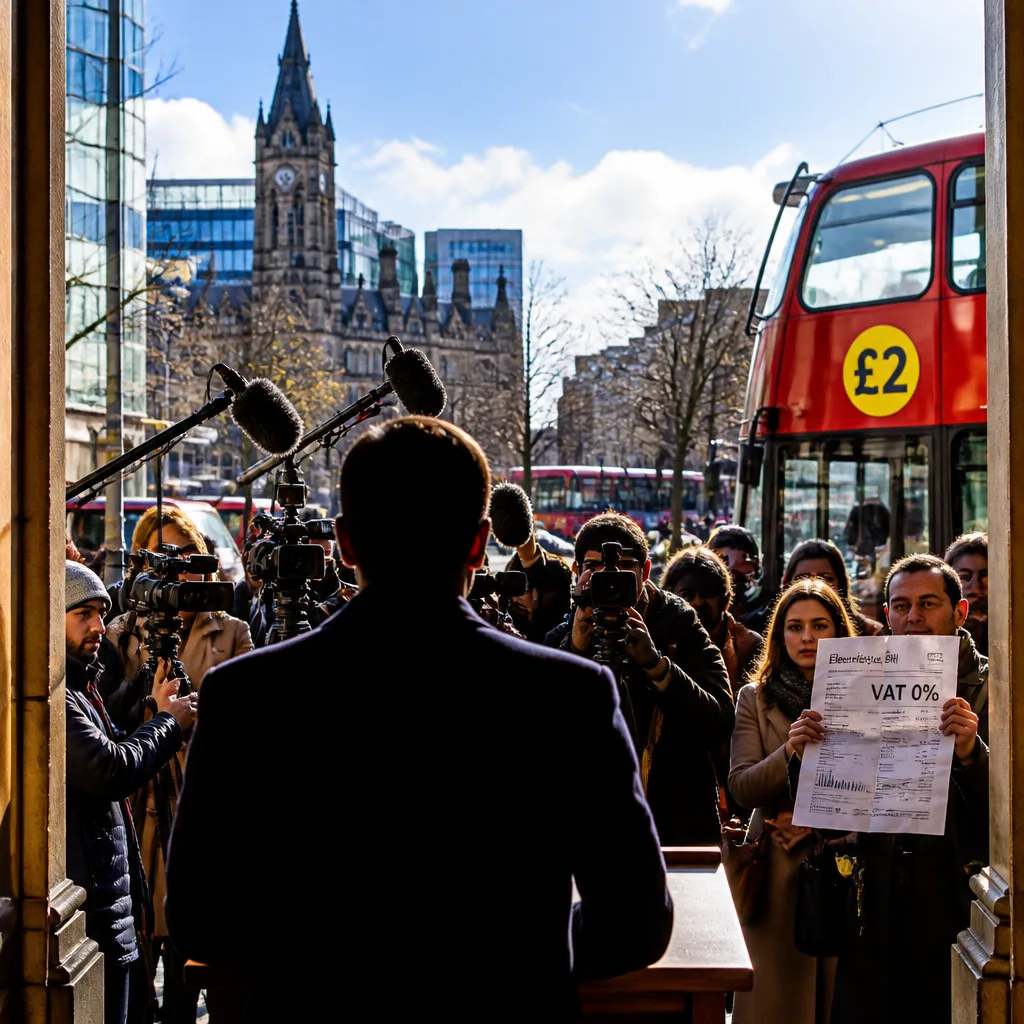
Speaking from No 10 North in Manchester after his first week in office, the Prime Minister told broadcasters there was no prospect of a snap poll and that voters had already provided a mandate by backing a manifesto in the most recent general election. He reiterated that he had faced voters directly during the Makerfield by-election and secured the backing of colleagues in Parliament.
“There is no general election. People voted for a manifesto. We are in a parliamentary democracy. That is what people voted for and I will honour that manifesto.”
Policy priorities and political timing
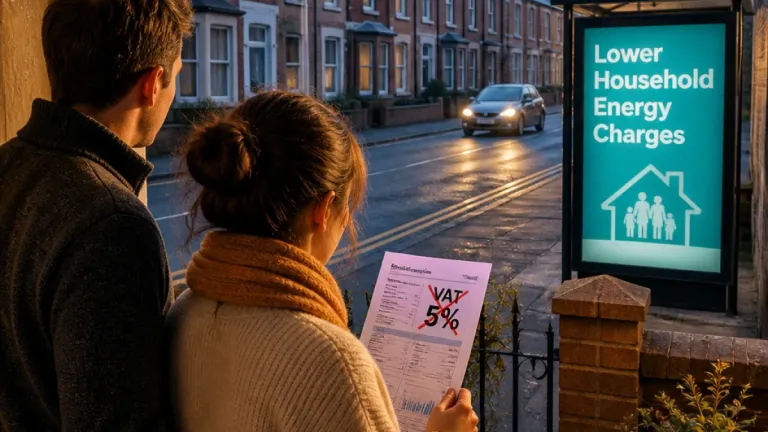
Mr Burnham has set out a number of immediate policy measures that signal the direction of his government. Among the changes announced in his opening week are a nationwide single-fare bus cap of £2 and proposals to remove VAT from household electricity bills. The Prime Minister said his priority was to get Britain focused on restoring the country to the position he considers appropriate rather than seeking an early electoral endorsement.
- No early general election — Mr Burnham said he would not call a poll before the statutory end of the parliamentary term, meaning the next general election would not be before 2029.
- Policy roll‑out — immediate pledges include a £2 bus fare cap and plans to scrap VAT on household electricity.
- Public mandate — Mr Burnham pointed to his engagement with voters in Makerfield and support from parliamentary colleagues as the basis for his authority to govern.
Context and consequences
The Prime Minister’s refusal to entertain an early election ends speculation that a fresh poll might be used to consolidate his personal authority or secure a larger parliamentary majority. By committing to implement the manifesto as the governing programme, his administration emphasises continuity with the platform that secured the party’s victory in 2024. That stance shifts political focus onto delivery of promised measures and their fiscal and operational implications, rather than an immediate campaign for votes.
| Event | Detail |
|---|---|
| Recent by-election | Makerfield — used by PM to demonstrate voter engagement |
| Policy highlights | £2 nationwide bus fare cap; proposed removal of VAT on household electricity |
| Next general election | Not due before 2029 under Mr Burnham’s commitment |
For ministers and parliamentary strategists, the immediate task is translating manifesto commitments into deliverable policies within existing legislative and fiscal constraints. Opposition parties will now frame their challenge around the government’s record of implementation rather than pressing for an early poll. The political debate will centre on whether the administration can deliver its pledges and retain public confidence across the remainder of this parliament.