
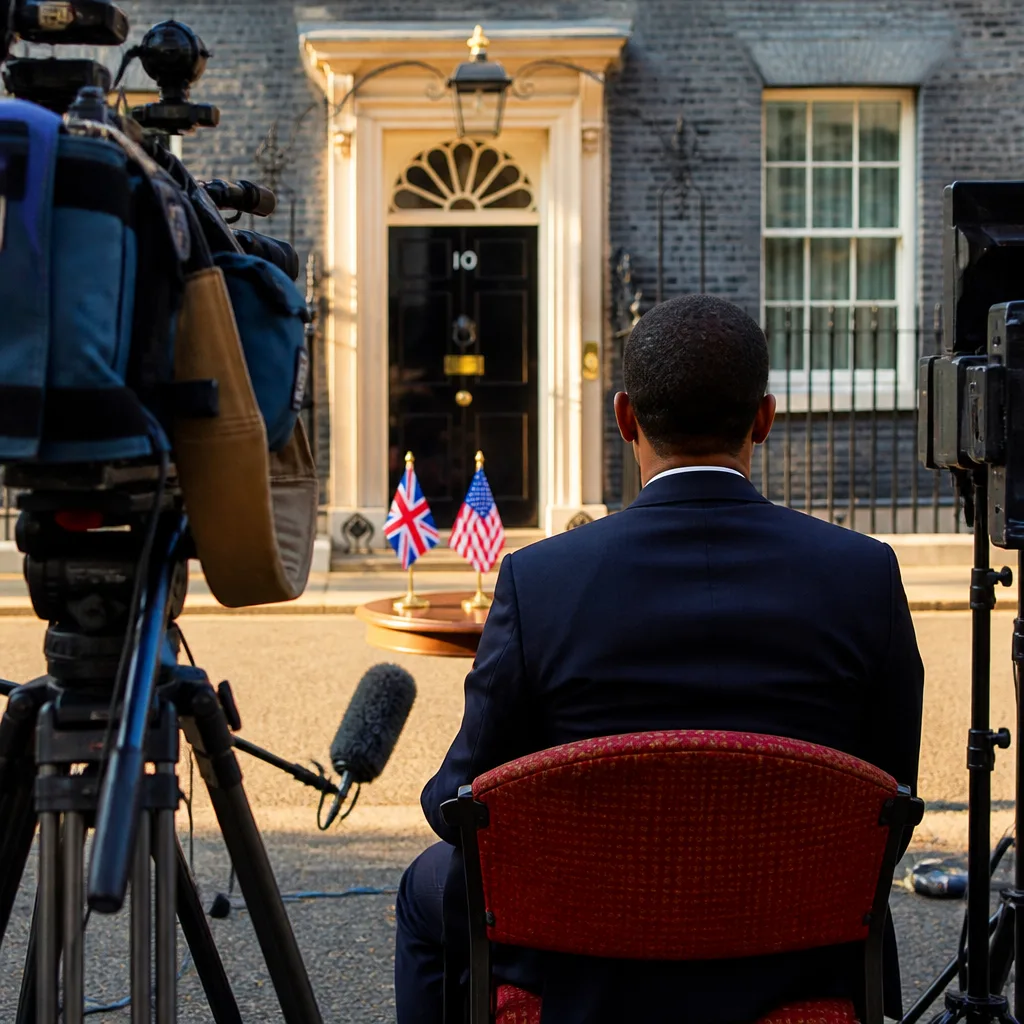
At Gatwick and airports aside, the first weeks of a new premiership are often measured in lines that signal how Britain will behave on the world stage. In his first substantial television interview since entering Downing Street, the prime minister set out a pragmatic approach to relations with the United States, saying he would publicly oppose President Donald Trump where he judged UK interests required it.
‘Defend our national interest’
Speaking to Laura Kuenssberg for the BBC’s By Sunday, the prime minister described his initial exchange with Mr Trump as warm, but repeatedly declined to offer an unequivocal vote of personal trust in the US president. He insisted that his overriding duty was to Britain’s interest.
"You have to defend your own national interest before anything else."
He added that he would raise concerns directly where necessary and that his readiness to disagree with a close ally would depend on circumstances rather than personal rapport. The interview made clear that personal warmth in diplomatic contacts would not prevent him from taking a different public line if required.
Wider implications for defence and government unity
The prime minister also addressed defence spending and recent turbulence within the previous administration. He would not set a precise timetable for reaching a spending target of 3% of GDP on defence — a figure that precipitated the resignation of Chancellor John Healey from the former government. Burnham said he had chosen his new chancellor conscious of Mr Healey’s public stance on the issue.
| Item | Detail |
|---|---|
| Defence spending target | 3% of GDP |
| Chancellor who resigned over commitment | John Healey (from the previous government) |
Political reaction
Conservative figures responded cautiously. Shadow Home Secretary Chris Philp acknowledged the importance of the transatlantic partnership while underlining that Britain should be frank with allies when disagreements arise.
- The prime minister signalled he would prioritise UK national interest in dealings with the US.
- He described his initial contact with President Trump as warm but would not give an absolute endorsement of trust.
- The 3% defence spending target remains a live political issue linked to past ministerial resignations.
The interview indicates a government keen to retain close US ties but prepared to air differences publicly when it perceives a national need. How that balance will play out with ongoing global tensions and domestic pressure over defence commitments will be a central test of the new administration’s foreign policy in the months ahead.