MI5’s director-general has warned that the incident near RAF Fairford earlier this year was “not unique”, as the security service grapples with a growing number of state-linked threats to the UK. Sir Ken McCallum said Iran, along with Russia and China, has been identified as a hostile state using proxies to conduct operations on British soil.
More arrests and a changing threat picture
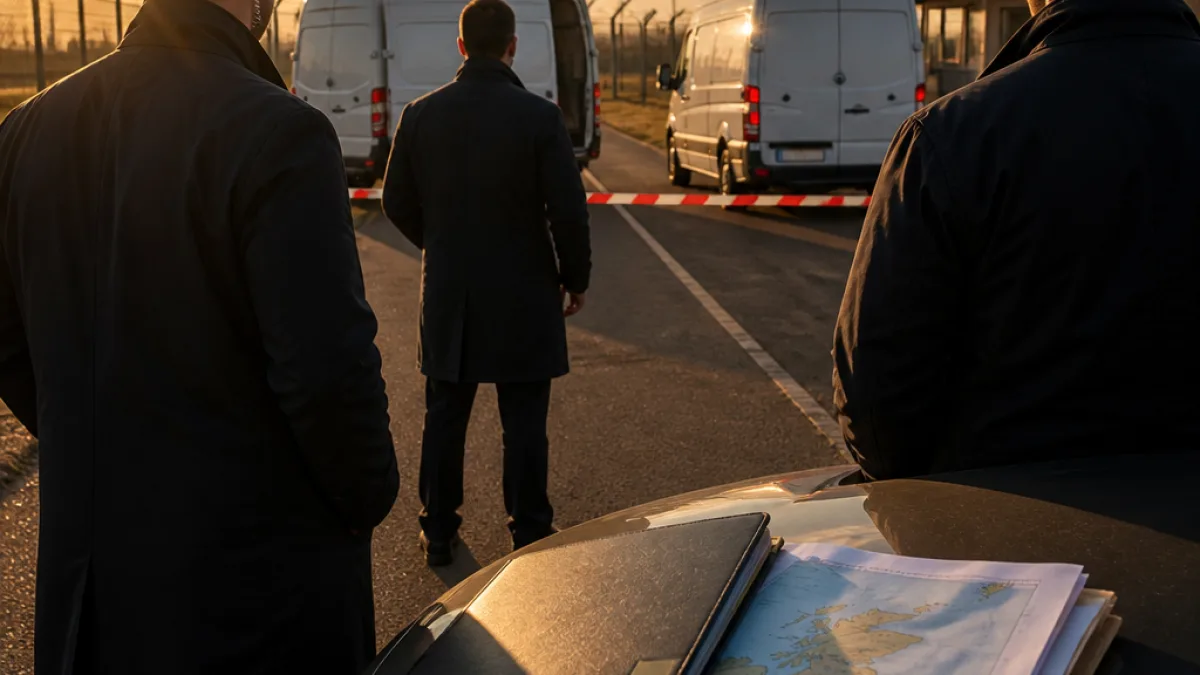
Speaking in his annual address, Sir Ken said that in the past year more than 50 people have been arrested in operations linked to Iran. Those arrests have encompassed a range of alleged activity, from suspected plotting to attacks on community sites, and have included investigations following the episode at RAF Fairford where three vans were stopped near the base and seven people were arrested and later bailed by counter‑terrorism police.
“The RAF Fairford incident, which I won’t get further into for reasons you will understand, is not unique.”
Sir Ken told journalists that MI5’s caseload of state threats has expanded substantially over the last decade, saying it has quadrupled, and that in 2026 the service is assigning more resources to countering state threats than it did during the Cold War.
Which states are of concern?
The director-general singled out three countries as posing the most significant risks to the UK: Iran, Russia and China. He described Russia as the “number one aggressor”, accusing it of seeking to unsettle European countries at a time of difficulty in Ukraine. He also cautioned that while the UK should pursue relationships with China where in the national interest, it must remain vigilant to the risks of espionage and other hostile activity.
Local and practical implications
Although RAF Fairford is outside Surrey, the assessment has immediate relevance for county residents and local authorities. The rise in state‑linked activity has prompted greater attention by security and policing bodies across the country, including increased vigilance around sensitive sites, places of worship and community centres. Sir Ken referenced a recent pattern of attacks against Jewish sites in London and an alleged terror plot in Manchester when outlining recent Iran-linked operations.
For local people this means:
- Heightened police presence and counter‑terror units conducting inquiries and local engagement.
- Community reassurance activity from councils and faith groups affected by threats or incidents.
- Public reporting remains vital: anyone with information about suspicious activity should contact the police or the security services.
Facts in brief
| Item | Figure |
|---|---|
| Arrests in Iran-linked operations (past year) | More than 50 |
| People arrested and bailed after RAF Fairford vans stopped | Seven |
| Change in MI5 state-threat caseload (10 years) | Quadrupled |
The director-general stressed that the security response will be unflinching. His comments underline a strategic shift: the service is increasingly resourced and organised to respond to activity by foreign states and their proxies within the UK. For residents and local public bodies, that will continue to mean active liaison with police and the security services, and a focus on protecting vulnerable sites and communities.
As investigations continue at sites such as RAF Fairford and elsewhere, authorities are likely to maintain a high degree of operational secrecy. That may limit public detail in the short term, but also reflects a broader warning from the head of MI5: state‑linked activity against the UK is rising and will remain a national priority.