The National Trust has launched an emergency public appeal after a wildfire caused what its director-general described as “total devastation” to Dunwich Heath, the conservation charity announced on Friday.
Scale of the damage
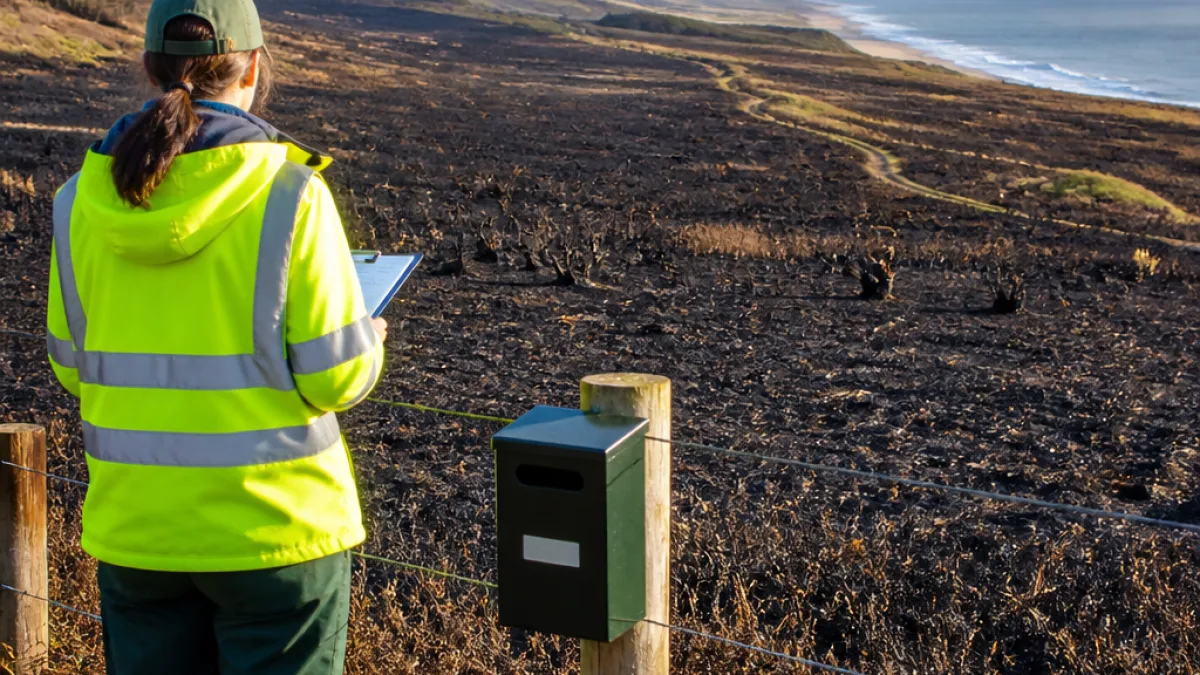
Footage and statements from the charity show large areas of the coastal lowland heath, renowned for its purple heather and specialist wildlife, stripped back to char and ash. The Trust said the landscape has been left “unrecognisable”.
“We are looking at total devastation of a beloved and important landscape. We’ve lost precious habitats, wildlife, trees, and a place where people have made memories over generations. It’s heartbreaking.”
The comments came from National Trust director-general Hilary McGrady, who also appealed for public donations to help restore the reserve and make it more resilient to future climate-driven fires.
Why the heath matters
Lowland heath is one of the UK’s rarest habitats. The National Trust notes that an estimated 92% of lowland heath in England has been lost over the last 120 years, making sites such as Dunwich exceptionally valuable for wildlife and biodiversity.
- Important breeding birds: nightjars, skylarks and the rare Dartford warbler
- Reptiles and amphibians: adders, lizards and slow worms
- Notable invertebrates: butterflies including the rare silver-studded blue
Loss of such habitat threatens species that are adapted specifically to open, sandy, well-drained conditions. The Trust has said restoration must not only replace what was lost but also increase resilience to the warmer, drier conditions expected with climate change.
Firefighting and ongoing risks
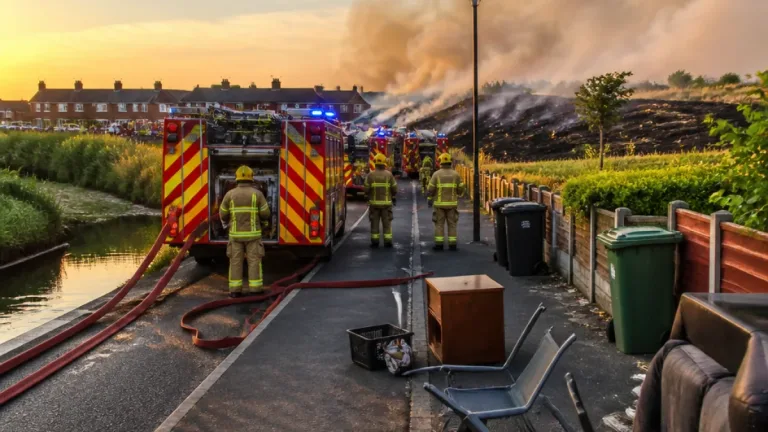
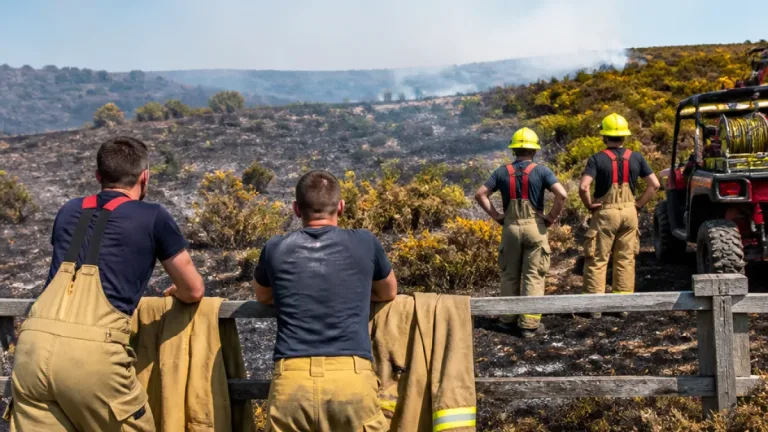
Suffolk Fire and Rescue Service described the situation as “dynamic and potentially changeable”, and said crews were still tackling the blaze. The National Trust said smoke was still present at the scene as it assessed the extent of the damage.
| Item | Detail |
|---|---|
| Location | Dunwich Heath, near Leiston, Suffolk |
| Habitat type | Lowland heath (rare in England) |
| Estimated historic loss | 92% of lowland heath in England lost over 120 years |
What the appeal will fund
The National Trust has asked for public support to “regrow habitats and homes for wildlife, build more resilience into the landscape, and return this iconic place to the nation.” Ms McGrady said the charity cannot do the work alone and urged people to donate “however much, please don’t hesitate.”
Restoration work on lowland heath typically involves:
- Removing invasive scrub and regenerating heather and gorse
- Restoring the mosaic of open and sheltered areas essential for specialist species
- Monitoring and targeted species protections as habitats recover
These practical measures are long-term and costly, which is why the Trust is seeking immediate public backing to begin recovery and plan for climate resilience.
Local and national context
While the event occurred in Suffolk, the loss of Dunwich Heath will be felt nationally: lowland heath sites are already scarce and highly valued for recreation, landscape character and biodiversity. For communities and visitors who use these places for leisure and nature connection, the visual and ecological loss is profound.
As the National Trust begins damage assessment and recovery planning, the charity’s appeal aims to channel public concern into concrete funding for habitat restoration and resilience work.
Further information on how to donate will be available through the National Trust’s channels as the organisation mobilises its recovery response.