The Prime Minister has unveiled plans to broaden technical education and to devolve responsibility for shaping those routes to mayors and other local leaders. Ministers say the move is intended to reduce the number of young people who leave education without clear prospects and to better align training with regional industry needs.
Why the change is being proposed
Government advisers and business figures have repeatedly warned of acute skills shortages across a range of sectors. An independent review led by Alan Milburn earlier this year concluded that the country is approaching crisis levels in the number of young people not in education, employment or training (commonly referred to as NEET), with social and economic consequences if left unaddressed. The new proposals are framed as a response to those warnings.
What is changing
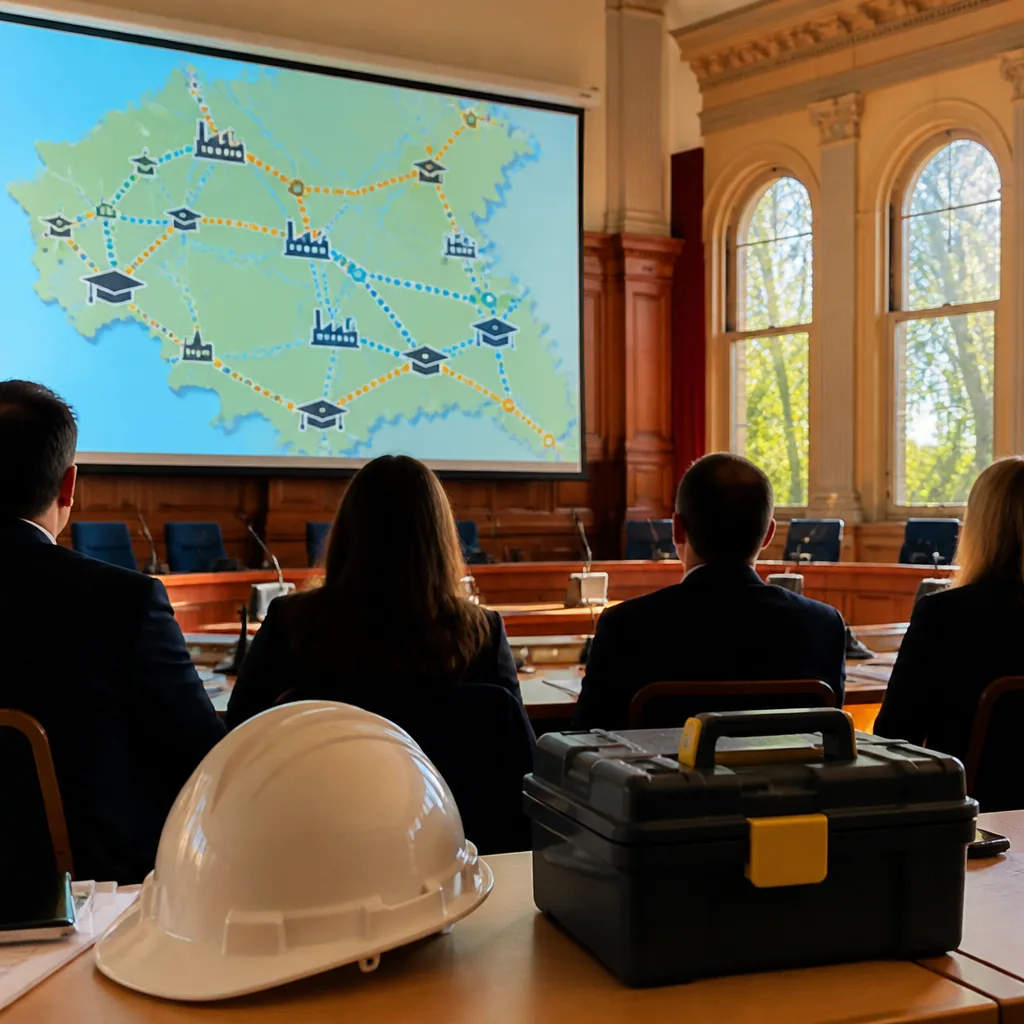
Under the plans, technical routes will be expanded and local leaders will be given greater scope to oversee and tailor training offers to meet the needs of their areas. Proponents argue that a decentralised approach recognises that regional economies differ and that a single national curriculum cannot suit every local industrial cluster.
Supporters from business have welcomed the initiative. Former John Lewis chairman Sir Charlie Mayfield described the reforms as a potential “watershed”, and suggested greater local responsibility could be significant for matching skills to jobs.
"[The reforms] could be a 'watershed' moment,"
What this means for students and schools
The proposals aim to create more technical choices for pupils so they can follow practical, employment-focused routes as an alternative to strictly academic pathways. For parents and young people this could mean:
- more locally designed qualifications and training programmes;
- stronger links between schools, colleges and regional employers;
- a clearer progression from classroom learning to jobs in nearby industries.
Education leaders say this could help keep young people engaged and reduce the risk of them becoming NEET. Critics will be watching to ensure that devolved provision does not narrow long-term opportunity by tying young people too closely to the immediate needs of their local labour market.
Stakeholders and likely consequences
Devolving decisions to mayors and local authorities places responsibility for matching training to local demand. That has potential benefits and risks: closer employer input can improve job readiness, but regional approaches must still protect national standards and the ability for young people to move between areas or pursue careers beyond their locality.
| Group | Position |
|---|---|
| Prime Minister and government | Expand technical routes and devolve responsibility |
| Business leaders | Supportive; see potential to tackle skills shortages |
| Education bodies | Will monitor impact on standards and progression |
Implementation details — such as the exact powers to be devolved, funding arrangements, and how national qualifications will be maintained — will determine whether the reforms translate into better outcomes for young people. Local leaders will need to balance immediate employer demand with the longer-term aspirations of pupils.
For parents and students, the practical calendar to watch will include consultations and pilot programmes, followed by announcements on curriculum design, funding and employer partnerships. Schools and colleges should expect to be engaged in local workforce planning as proposals move from announcement to implementation.
In short: the proposal intends to make technical education more responsive to regional labour markets by shifting influence away from Westminster and towards local leaders, with the stated aim of reducing youth disengagement and addressing skills shortages. Success will hinge on how devolved powers are structured and whether local offers preserve mobility and ambition for young people across the UK.